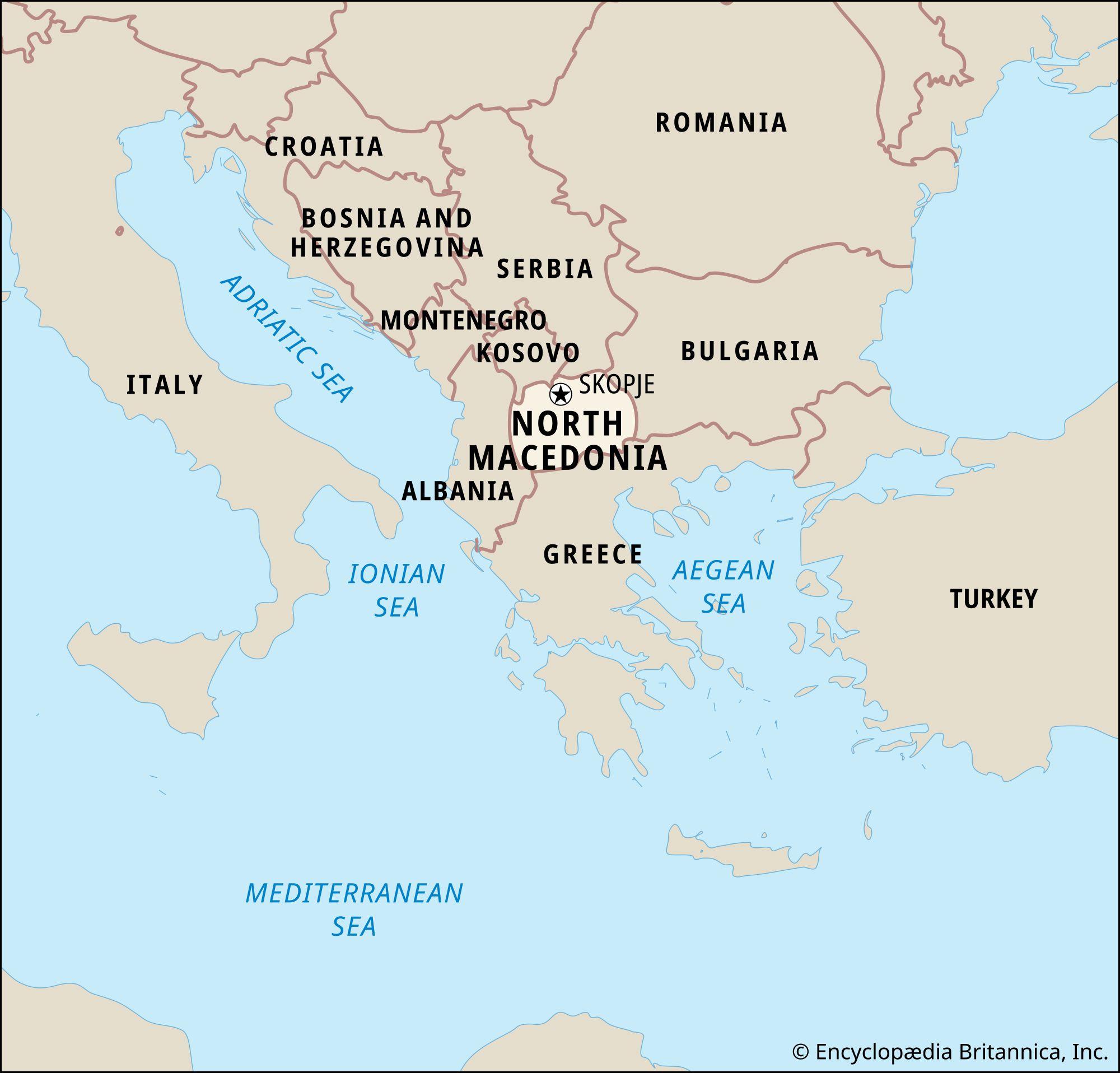
In a notable move towards enhancing the openness and accountability of its correctional facilities, North Macedonia’s authorities have initiated discussions on the establishment of a standardized Register of Injuries in prisons.this initiative, supported by the Council of Europe, aims to systematically document and address instances of violence and mistreatment within the penal system. The proposed register seeks not only to improve the conditions for inmates but also to align the country’s practices with international human rights standards.As North Macedonia grapples with ongoing concerns about prison health and safety, the outcome of these discussions could pave the way for crucial reforms, reflecting a commitment to safeguard the rights and well-being of those incarcerated. This article delves into the implications of this initiative, exploring its potential impact on the justice system and the lives of prisoners across the nation.
North Macedonia Takes Steps Towards Improved Prison Health Management
The recent discussions among North Macedonia’s authorities mark a significant advancement in the realm of prison health management. By emphasizing the establishment of a Standardized Register of Injuries, officials aim to enhance the monitoring and reporting of health incidents within the correctional facilities. This initiative is designed to ensure that every recorded injury reflects accurate data, which in turn will facilitate better healthcare responses and preventive measures for inmates. The move aligns with broader efforts endorsed by the Council of Europe, which advocates for improved conditions and welfare in prisons across member states.
Key components of this new framework include:
- Data Standardization: Creating uniform criteria for documenting injuries helps maintain consistency across various facilities.
- Enhanced Accountability: A registered system fosters greater obligation among prison staff and medical personnel.
- Improved Healthcare Access: Ensuring that inmates recieve timely medical attention based on recorded injuries.
The implementation of this system is expected to not only safeguard the health of prisoners but also contribute to a humane correctional habitat.As North Macedonia continues to refine its legal and health frameworks, this initiative underscores the commitment to uphold human rights and dignity within the penal system.

council of Europe Advocates for a Standardized Register of Injuries in Prisons
The recent discussions among North Macedonia’s authorities reflect a significant move towards aligning with the standards promoted by the Council of Europe regarding the monitoring of health conditions in penitentiary facilities. By advocating for a standardized register of injuries in prisons, officials aim to enhance transparency and accountability in the treatment of inmates. This initiative seeks to not only document incidents but also to create a comprehensive database that can inform policy changes and improve overall conditions within the prison system. Key objectives of this initiative include:
- Improving data collection: Establishing a uniform approach across all penitentiary institutions.
- Enhancing inmate safety: Using data to identify trends and prevent future occurrences of violence.
- Facilitating oversight: Allowing independent bodies to conduct thorough investigations into reported injuries.
Considering international human rights standards, the growth of this register is anticipated to foster a culture of responsibility among prison staff and management. Furthermore,it will enable a greater understanding of the factors contributing to injuries,thus facilitating targeted interventions. A proposed framework for the register includes the following key features:
| Feature | Description |
|---|---|
| Incident Reporting | A systematic approach to documenting injuries and assaults. |
| Data Analysis | Analyzing patterns to improve safety protocols. |
| Training Programs | Empowering staff through training based on collected data insights. |

Understanding the Importance of Tracking Injuries for prisoner Welfare
Tracking injuries within prisons is critical for promoting the welfare of incarcerated individuals. Implementing a standardized register allows authorities to systematically document incidents of harm, which not only contributes to accountability but also aids in the identification of patterns that may indicate systemic issues within the facility. Through a well-maintained record, stakeholders can assess the effectiveness of policies and interventions aimed at reducing violence and improving conditions for prisoners, thereby fostering a safer environment for both inmates and staff. The importance of this data is underscored by the need for transparency and the responsibility of prison authorities to uphold human rights.
In addition to enhancing safety, maintaining an injury register can serve as a powerful tool for healthcare providers within the prison system. Frequent monitoring of injury types and incidence rates can inform targeted healthcare initiatives, ensuring that medical staff are equipped to address specific health challenges experienced by the inmate population. This proactive approach not only promotes early intervention but also contributes to the overall physical and mental well-being of those in custody. Key components of a accomplished injury tracking system include:
- Comprehensive documentation: Accurate recording of all injuries, including the cause and context.
- regular reporting: Frequent updates to ensure that the data remains relevant and actionable.
- Stakeholder engagement: Involvement of various parties, including medical staff, oversight bodies, and human rights advocates.
| Injury Type | common Causes | Implications |
|---|---|---|
| Physical Assault | Fights, conflicts | Mental health issues, trauma |
| Self-harm | Psychological distress | Need for mental health support |
| Accidental Injuries | Falls, equipment misuse | Necessity for safety measures |
recommendations for Effective Implementation of Injury Reporting Systems
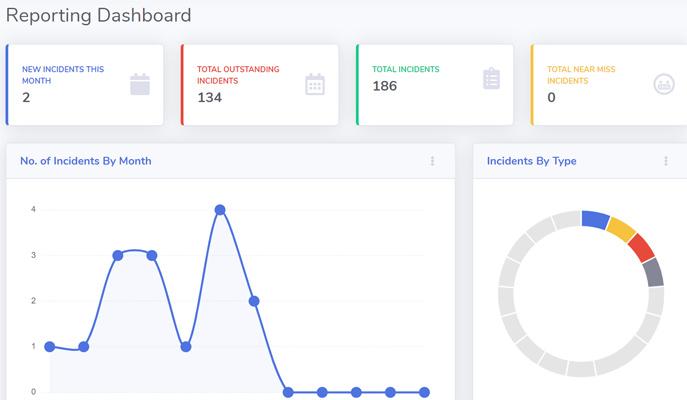
To ensure the successful adoption of injury reporting systems in prisons,it is crucial to focus on several key elements. firstly, it is essential to establish a clear framework that defines what constitutes an injury and who is responsible for reporting. This can be achieved by:
- Providing comprehensive training for staff on reporting procedures.
- Implementing user-amiable reporting tools that facilitate rapid and accurate data entry.
- Ensuring transparency by making reporting processes accessible and understandable for all staff members.
Moreover,engagement with stakeholders—including health professionals,legal experts,and prisoner advocacy groups—should be prioritized to create a more effective system. Regular feedback loops can definitely help in refining the process. Consider establishing a centralized database for injury data to facilitate analysis and continuous improvement. The following table outlines potential roles and responsibilities within this collaborative framework:
| Stakeholder | Responsibilities |
|---|---|
| Prison Staff | Report injuries and provide first aid. |
| Medical Personnel | Assess injuries and maintain medical records. |
| Management | Oversee implementation of the reporting system. |
| Advocacy Groups | Advocate for prisoners’ rights and provide input. |
Challenges in Establishing a Standardized Register and Strategies to Overcome Them
Establishing a standardized register of injuries in prisons presents numerous challenges, predominantly stemming from pre-existing discrepancies in data collection and reporting mechanisms across various institutions. In many cases, the lack of coherent definitions and classifications can hinder the accurate recording of injuries. Furthermore, inherent resistance among prison staff towards new systems can create barriers to adoption. other significant issues include inconsistencies in medical expertise available within the facilities and the potential for underreporting due to stigma or fear of repercussions. These obstacles can severely affect the integrity and reliability of the data, ultimately hampering the assessment and comparison of prisoners’ health conditions.
To address these challenges, several strategies could be implemented. Training programs for prison staff on the importance of accurate reporting and how to use the standardized register effectively could foster a culture of accountability. Additionally, engaging with medical professionals to standardize definitions and practices regarding injuries will lend credibility to the data collected. Establishing inter-prison protocols for sharing details can facilitate consistency, while regular audits could help ensure compliance and refine the data collection process over time. Collaboration with external oversight bodies, such as human rights organizations, can provide valuable insights and bolster advocacy for transparency and improvement in prison healthcare systems.

Future Implications for human Rights and Prison Reform in North Macedonia
the establishment of a standardized Register of Injuries in the prison system of North Macedonia marks a pivotal moment for human rights advocacy and prison reform. As the authorities take steps toward transparency,several implications arise for the treatment of inmates and the overall governance of correctional facilities. the register is intended to systematically document instances of injuries sustained in custody, which could lead to better accountability for prison staff and improved medical care for inmates. This move aligns with broader efforts to align North Macedonia’s prison policies with European standards, reinforcing the nation’s commitment to human rights and dignity.
Moreover, the successful implementation of this initiative could set a precedent for further reforms, influencing not only North Macedonian policies but also serving as a model for other countries in the region. Key stakeholders must remain vigilant and engaged to ensure that the register is effectively utilized and results in actionable changes. A collaborative approach involving civil society, legal experts, and international organizations will be essential to maximize the potential of this framework. Through continuous monitoring and evaluation, North Macedonia may very well pave the way for a more humane prison system, fostering an environment where the rights of all individuals are upheld, regardless of their situation.
Wrapping Up
the recent discussions among north Macedonia’s authorities regarding the establishment of a standardized register of injuries in prisons mark a significant step toward enhancing transparency and accountability within the country’s correctional facilities. As the Council of Europe emphasizes the importance of monitoring and addressing issues related to prisoner welfare, this initiative could pave the way for improved medical care, legal protections, and overall human rights standards for inmates.By adopting a systematic approach to documenting and addressing injuries, North Macedonia not only aligns itself with broader European human rights frameworks but also demonstrates a commitment to reforming its penal system.The successful implementation of such a register will require continued collaboration among government bodies, healthcare providers, and civil society organizations, ensuring that the focus remains on the dignity and rights of every individual behind bars. As these discussions progress, the key will be maintaining momentum and fostering a culture of transparency that fosters trust between prisoners and authorities alike.