Exploring Slovenia: A Past Tapestry Woven Through War and Unity
Nestled in the heart of Central Europe, Slovenia is a land defined by its picturesque landscapes and rich cultural heritage. This small yet notable nation has undergone profound transformations throughout the 20th century, particularly in the aftermath of World War I and during its time as part of Yugoslavia. From the remnants of Austro-Hungarian dominance to its emergence as an independent state, Slovenia’s history is a compelling narrative of resilience and adaptation. As we delve into the complexities of Slovenia’s post-war identity, we will explore the interplay between its alpine geography, diverse ethnicities, and the socio-political shifts that have shaped its modern-day character. Join us as we uncover the multifaceted history of Slovenia,a country that stands as a testament to the enduring human spirit amid the turbulence of regional conflicts and the search for national identity.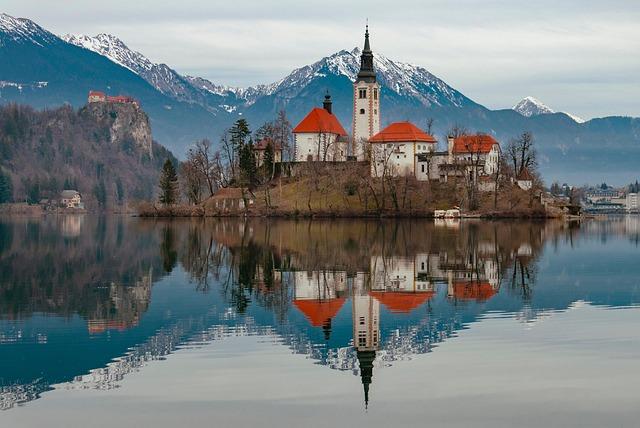
Slovenias Transformation After World War I
In the aftermath of World War I, Slovenia, once a region of the Austro-Hungarian Empire, experienced a profound transformation as it became a key component of the newly formed Kingdom of Serbs, Croats, and Slovenes (later known as Yugoslavia). This transition brought significant political changes, as Slovenia’s allegiance shifted from a European empire to a more diverse and multi-ethnic state. The early years of this new identity were marked by a struggle for political depiction and cultural autonomy, as Slovenes sought to carve out their place in a larger national framework. This period also spurred a sense of national consciousness, resulting in increased interest in literature, education, and the arts within the region.
Economically, the post-war era in Slovenia prompted a shift from agrarian practices to a more industrialized economy, particularly in urban areas like Ljubljana and Maribor. The economical progress resulted in several important changes, including:
- Industrial Growth: expanding sectors such as textiles, manufacturing, and mining.
- Infrastructure Development: Improved transportation networks and public services.
- Social Change: Urbanization led to increased migration and a diverse labor force.
this evolution ultimately laid the groundwork for Slovenia’s enduring quest for sovereignty, culminating in its significant role within Yugoslavia and the eventual pursuit of independence in the 1990s.
The Role of Slovenia in the Yugoslav Federation
Slovenia’s journey within the Yugoslav Federation was marked by a gradual assertion of its national identity, amid the complexities of a multi-ethnic state. After world War I, Slovenia was amalgamated into the Kingdom of Serbs, Croats, and Slovenes, which later became known as Yugoslavia. The initial years were characterized by political instability and a struggle for autonomy, prompting the establishment of local governance structures. As Slovenia emerged as an economic leader in the federation,its distinct cultural and linguistic attributes became prominent,further fostering a sense of Slovenian nationalism. Key events, such as the preservation of the Slovene language in education and media, played a vital role in solidifying Slovenia’s national consciousness within the Yugoslav framework.
Throughout its time in the federation, Slovenia also contributed significantly to Yugoslavia’s cultural and economic landscape. The region’s strategic geographical position nestled between the Alps and the Adriatic Sea allowed it to thrive in various sectors, including tourism, agriculture, and manufacturing. Slovenia became a hub for industrial development,attracting investors and offering employment opportunities. The following are some of the notable features of Slovenia’s pivotal role in the federation:
- Cultural Diversity: The fusion of various cultural influences enriched Slovenian art,music,and literature.
- Economic growth: Slovenia’s robust economy helped sustain the overall fiscal health of Yugoslavia.
- Political activity: Slovenia’s political leaders frequently pushed for reforms that enhanced local governance.
Cultural Heritage and Identity Through the Alpine Lens
The Alpine regions of Slovenia embody a rich tapestry of cultural heritage that has flourished through historical shifts,particularly after World War I.This area is not onyl characterized by its breathtaking landscapes but also by its unique blend of traditions that arose during the Yugoslavian period.Distinctive architectural styles, such as Bauhaus and Alpine chalets, are evident in cities like Ljubljana, infusing modernity with historical depth. In contrast to the central urban landscapes, rural areas retain manny folk customs, including traditional music, dance, and crafts that reflect the community’s values and social structure. Key festivals, such as Kranjska Gora’s Summer festival, serve as vibrant platforms for showcasing this cultural richness and promoting local identity through art, cuisine, and heritage crafts.
Moreover, the Alpine identity is intricately tied to local dialects and gastronomy, which are frequently enough seen as markers of regional pride.Local dishes, such as štruklji (rolled dumplings) and potica (a traditional pastry), highlight Slovenia’s agricultural roots and communal dining practices. The languaging of identity is deeply influenced by historical factors, with regional dialects offering insight into the Slovenian alpine community’s resilience and adaptability. Many people in these regions emphasize their connection to the land, signifying a continuity of cultural practices that help fortify a sense of belonging. by preserving these traditions, the Alpine communities of Slovenia navigate the complexities of modern identity while honoring their storied past.
Economic Developments in Post-Yugoslav Slovenia
The economic landscape of Slovenia in the years following the dissolution of Yugoslavia has been characterized by a notable transition from a centrally planned economy to a market-oriented one. This shift has been marked by significant reforms aimed at privatizing state-owned enterprises and attracting foreign investment. Some key developments during this period include:
- EU Accession: Slovenia joined the European Union in 2004,enhancing its trade relationships and economic stability.
- Adoption of the Euro: In 2007, Slovenia adopted the euro, further integrating its economy with the rest of Europe.
- Innovation and Technology: Investments in education and research have fostered a growing tech sector, making Slovenia a hub for startups in Central Europe.
Despite achieving impressive growth and stability, the post-Yugoslav era has also presented challenges. The global financial crisis of 2008 exposed vulnerabilities in the banking sector, leading to significant government intervention. Here are some factors shaping Slovenia’s economic future:
- Demographic Changes: An aging population is posing long-term challenges for labor markets and social security systems.
- Green Economy Initiatives: Slovenia is increasingly focusing on lasting practices, aiming to position itself as a leader in the green economy within the EU.
- Regional Disparities: Economic growth has not been uniform, with certain regions struggling to catch up with urbanized areas.
| year | Economic Growth (%) | Unemployment Rate (%) |
|---|---|---|
| 2010 | -1.2 | 8.5 |
| 2015 | 2.9 | 9.9 |
| 2020 | -4.2 | 4.9 |
| 2023 | 3.7 | 4.0 |
Exploring Slovenias Natural Landscapes and Alpine Tourism
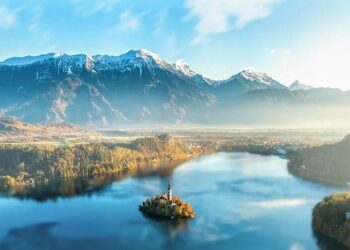
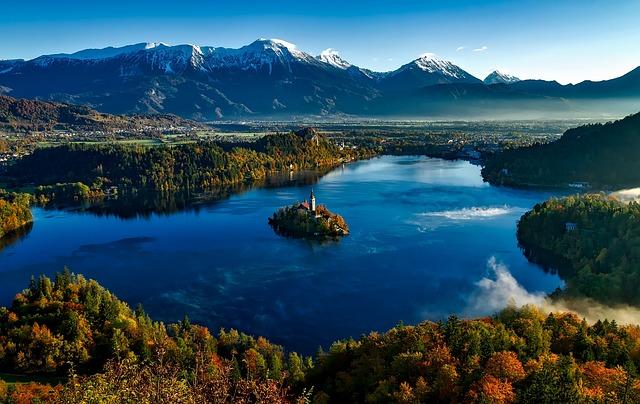
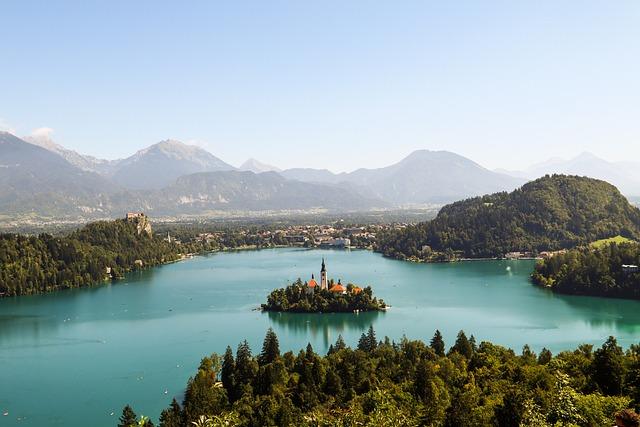
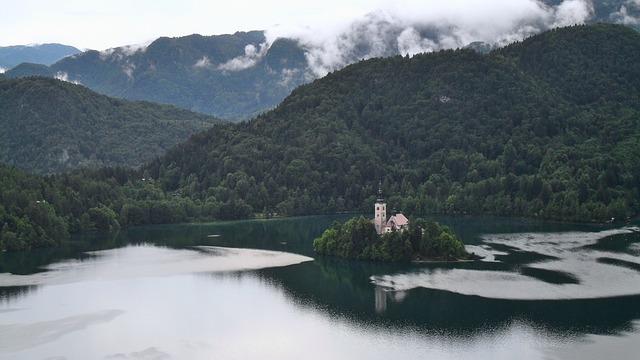
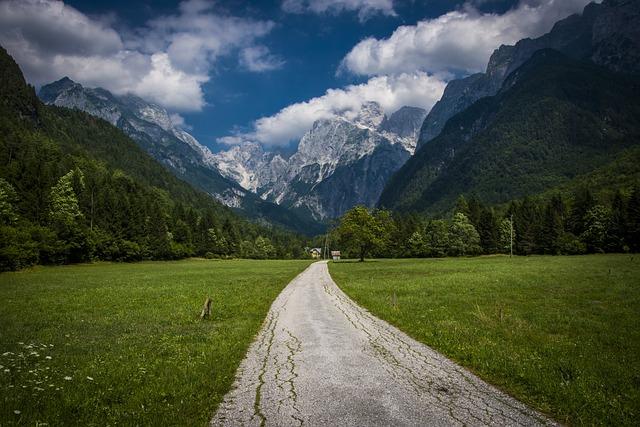
Slovenia’s captivating natural landscapes are a treasure trove for adventurers and nature lovers alike. The country boasts a diverse range of ecosystems, from the pristine waters of Lake Bled to the dramatic peaks of the Julian Alps.Visitors can engage in various activities such as hiking, cycling, and skiing, each offering a unique perspective of Slovenia’s breathtaking vistas. The allure of the alpine region is enhanced by its rich biodiversity, which includes rare plant species and wildlife flourishing in protected areas like Triglav National Park.
Moreover, the intersection of alpine tourism and traditional culture adds to Slovenia’s appeal. Tourists can immerse themselves in local customs while exploring charming mountain villages, where they can taste authentic dishes like štruklji (rolled dumplings) and sample renowned wines from the surrounding vineyards. To appreciate the full spectrum of experiences available, here’s a simple overview of popular alpine destinations:
| destination | Main Attraction | Activities |
|---|---|---|
| Lake Bled | Picturesque Lake and Island | Boating, Hiking |
| Julian Alps | Stunning Mountain Range | Skiing, Climbing |
| Triglav National Park | Protected wilderness Area | wildlife Watching, Hiking |
| Kranjska Gora | Year-round Resort | Skiing, Cycling |
Understanding Slovenias Place in Modern European Dynamics
Slovenia, nestled in the heart of Europe, has forged a distinct identity since its independence in 1991. The nation benefits from a strategically advantageous location, serving as a bridge between the Balkans and Western Europe. This geographical positioning allows Slovenia to play a pivotal role in regional trade and connectivity, linking countries like Austria, Italy, and Hungary. Furthermore,Slovenia’s membership in the European Union and NATO accentuates its commitment to democratic values and collective security,shaping its foreign policy and enhancing its influence in European discourse.
Moreover, Slovenia’s rich cultural heritage, stemming from its post-WWI history as part of Yugoslavia, adds a unique layer to its modern european dynamics. The country promotes a blend of Slavic,germanic,and Italian cultural influences,reflected in its arts,cuisine,and traditions. As a member of the Eurozone, Slovenia has also adopted a stable currency, facilitating economic integration. The country’s focus on sustainability and environmental consciousness positions it as a leader in ecological initiatives within Europe, aiming to balance economic growth with the preservation of its stunning alpine landscapes.
Closing Remarks
slovenia’s multifaceted history from the aftermath of world War I to its emergence as a key component of the former yugoslavia presents a unique tapestry of cultural, political, and geographical narratives. As we navigate through the intertwined legacies of nationalism and identity, it’s evident that Slovenia’s Alpine region plays a critical role in shaping its character and economy. The enduring impact of these historical milestones continues to resonate in contemporary Slovenia, influencing its path as an independent nation in an increasingly interconnected world. Understanding this backdrop not only enriches our recognition of Slovenia’s struggles and triumphs but also highlights the complexities of european history in the 20th century and beyond. As Slovenia continues to assert its identity on the global stage, the lessons gleaned from its past remain pivotal in informing its future.