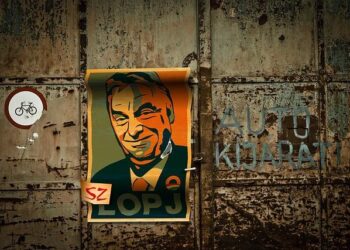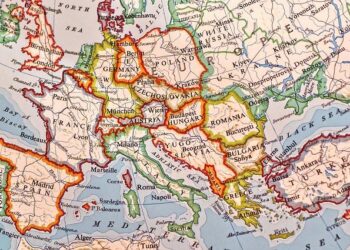
In recent months, Hungary has increasingly distanced itself from the European union’s unified stance on the ongoing conflict in Ukraine, raising concerns among EU member states about the implications for regional solidarity and cooperation. As the war continues to reshape geopolitical dynamics, Hungary’s government, led by Prime Minister Viktor Orbán, has adopted a unique position that diverges markedly from the consensus shared by many of its EU counterparts. This article explores the reasons behind Hungary’s shift, the domestic and international repercussions of its stance, and the broader ramifications for the EU as it navigates the complexities of the crisis. By examining Hungary’s political motivations and diplomatic strategies,we aim to shed light on the evolving landscape of European unity in the face of external aggression.
Hungarys Diverging Stance on EU Unified support for Ukraine
In recent months, Hungary has increasingly positioned itself against the unified EU approach supporting ukraine amidst the ongoing war. This divergence is highlighted by Budapest’s reluctance to adopt sanctions against Russia and its insistence on emphasizing the need for diplomatic alternatives. Prime Minister Viktor Orbán, known for his contentious stance within European politics, has articulated a narrative that prioritizes national interests over collective EU action. This shift has raised concerns among EU officials who fear that Hungary’s stance could undermine the unity needed to effectively address the crisis.
The Hungarian government has put forth a series of arguments to justify its position,which include:
- Economic Impact: Concerns about the ramifications of sanctions on Hungary’s economy.
- Energy Security: Criticism of reliance on alternative energy sources while Hungary remains dependent on Russian oil and gas.
- Historical Relationships: Acknowledgment of Hungary’s cultural and historical ties to regions affected by the conflict.
As the conflict evolves, the potential for further isolation within the EU looms over Hungary. EU solidarity, which has been a strong pillar of response to the crisis thus far, faces strain, and Hungary’s stance might compel the bloc to reassess its collective strategy and approach towards ensuring peace and security in Eastern Europe.
Impact of Political Alliances on Hungarys Foreign Policy
The geopolitical landscape in Europe has shifted dramatically in recent years,and Hungary’s foreign policy has evolved in tandem,often in ways that diverge sharply from the consensus within the European Union. Political alliances forged by the Hungarian government, notably with countries like Russia and China, have significant ramifications for how Budapest engages with issues such as the ongoing conflict in Ukraine. This pivot away from traditional EU partners influences Hungary’s stance on sanctions against Russia and its approach to providing support for Ukraine, cementing a more isolationist and self-interested diplomatic strategy.
furthermore, Hungary’s alignment with nationalist and right-wing populist governments across Europe complicates EU unity on foreign policy matters. Key factors contributing to this shift include:
- Increased economic ties with non-EU states.
- A focus on national sovereignty over collective European interests.
- political rhetoric emphasizing traditional values and national identity.
To illustrate the extent of Hungary’s distancing from the broader EU consensus, consider the following table detailing public support for Ukraine among EU member states versus Hungary.
| Country | Support for Ukraine (%) |
|---|---|
| Germany | 83 |
| France | 78 |
| Poland | 92 |
| Hungary | 38 |

Economic considerations Behind Hungarys Position on the War
The ongoing tensions surrounding the ukraine War have prompted Hungary to adopt a distinct stance that often diverges from the broader European union consensus. Analyzing the economic factors at play reveals a complex interplay of national interests that influences Hungary’s position. For one, Hungary maintains strong economic ties with Russia, relying on it for significant energy supplies. This situation creates a dilemma for Budapest, as it seeks to balance its economic dependencies while navigating the EU’s push for sanctions and military support to Ukraine. Additionally, Hungary’s leadership appears to prioritize maintaining stable gas prices and energy security over aligning fully with EU strategies, potentially isolating itself further from its European partners.
Furthermore, Hungary’s economic landscape is affected by significant investments from Russian companies, which have bolstered sectors like agriculture and infrastructure. The government fears that any drastic shift in policy could lead to economic repercussions, such as job losses and reduced foreign investment.The Hungarian administration has also expressed concerns over the implications of the war for regional trade dynamics,preferring to advocate for diplomatic solutions that would mitigate the economic fallout from prolonged conflict. To illustrate this, the following table highlights some of Hungary’s key economic considerations in the context of the Ukraine war:
| Economic Aspect | Impact on Hungary |
|---|---|
| Energy Dependency | Significant reliance on Russian gas and oil |
| Foreign Investments | Russian investments in agriculture and infrastructure |
| Trade Relations | Potential disruption of trade routes and partnerships |
| Employment | Risks of job losses in energy and agriculture sectors |
The Role of Domestic Politics in Shaping Hungarys Response
The evolving landscape of Hungary’s foreign policy concerning the Ukraine war is deeply intertwined with domestic politics. The ruling Fidesz party, led by Prime Minister Viktor Orbán, has leveraged national sentiment and political rhetoric to cultivate a unique stance that diverges from the broader European Union consensus. key factors influencing this divergence include:
- National Sovereignty: A pronounced emphasis on maintaining national sovereignty has led orbán to reshape Hungary’s approach, focusing on non-interventionist policies and emphasizing Hungary’s unique historical context.
- Political Stability: Domestic political considerations, notably the desire to maintain a stable base of support amidst rising populism, compel the government to position itself as a defender of national interests against EU hegemony.
- influence of neighboring Countries: The stance adopted by Hungary is also reflective of pressures and influences from neighboring nations, particularly those with strong ties to Russia, which complicate its interactions within the EU framework.
Moreover, the impact of public opinion cannot be understated. A significant portion of the Hungarian populace exhibits skepticism toward EU policies that advocate for increased involvement in the Ukraine conflict. This has prompted the government to adopt narratives that emphasize caution and restraint. Additionally, internal political divisions continue to play a critical role:
| Political Actor | Stance on Ukraine War |
|---|---|
| Fidesz Party | Pro-national sovereignty; anti-interventionist |
| Opposition Parties | supportive of EU integration and military aid to Ukraine |
This dichotomy presents a complex surroundings where Hungary’s foreign policy is not solely determined by external pressures but is heavily influenced by the currents of domestic political calculus. The ongoing tug-of-war within Hungarian politics continues to shape and, inevitably, complicate its already contentious relation with EU partners regarding the Ukraine conflict.

potential Consequences for EU Cohesion and Future relations with Hungary
The growing divergence between hungary and the EU consensus regarding the Ukraine conflict holds significant implications for both regional cohesion and the future of Hungary’s relationship with the bloc. As Hungary continues to adopt a stance that increasingly opposes EU policies on Ukraine, it risks isolating itself from collective decision-making processes. This trend could lead to a weakening of solidarity among member states,ultimately damaging the integrity of the Union. Key areas of concern include:
- Diplomatic Relations: Hungary’s position may strain its bilateral relations with neighboring countries that are more aligned with EU policies.
- Economic Support: Potential cuts in EU funding and investment could follow if Hungary’s dissent escalates, impacting its economy and infrastructure projects.
- Policy Influence: A fractious relationship may limit Hungary’s ability to influence EU policies that are vital for its national interests.
Moreover,ongoing tensions could provoke shifts in political allegiances within Hungary itself,as domestic parties may leverage nationalistic sentiments against the backdrop of EU criticisms. The situation is emblematic of a broader trend where populist sentiments challenge traditional political alliances. A superficial analysis may overlook deeper ramifications; for instance, the following key factors could shape Hungary’s path forward:
| Factor | Potential Impact |
|---|---|
| EU Funding Cuts | Reduction in financial assistance for infrastructure and social programs. |
| Political Isolation | Diminished influence in EU policy-making affecting both national issues and regional security. |
| Public Sentiment | Polarization within the Hungarian electorate, possibly affecting stability and governance. |
Recommendations for Strengthening EU Unity in Response to External Threats
To solidify the European Union’s stance against external threats, especially concerning the ongoing tensions surrounding the Ukraine conflict, it is indeed imperative to enhance diplomatic cohesion among member states. Engaging in regular high-level summits can facilitate open dialog and a deeper understanding of differing national perspectives.This platform could also serve to align strategic goals, ensuring that all countries are prepared to act decisively and uniformly. Additionally, the implementation of joint training exercises and collaborative defense initiatives would demonstrate a united front, reinforcing the EU’s commitment to collective security.
Furthermore, establishing a rapid response fund would empower the EU to quickly allocate resources in times of crisis, thereby mitigating the impact of external aggressions. Such a fund could be used for immediate economic assistance to member nations that are more vulnerable to external threats and for supporting humanitarian efforts in affected areas. Moreover, creating task forces centered on threat assessment and crisis management would enable the EU to respond swiftly and effectively.The table below illustrates potential strategies that could be employed to strengthen EU unity:
| Strategy | Description |
|---|---|
| high-Level Summits | Regular meetings to align strategies and share perspectives. |
| Joint Training Exercises | Collaborative military and civil defense preparedness activities. |
| Rapid Response Fund | Quick access to financial resources for nations in crisis. |
| Task Forces | Specialized teams for threat assessment and resolution strategies. |
Insights and Conclusions
Hungary’s increasing divergence from EU consensus regarding the Ukraine war emphasizes a complex geopolitical landscape where national interests often conflict with collective European ideals. As debates over defense policies, economic implications, and humanitarian responsibilities continue to intensify, Hungary’s stance raises critical questions about the future of EU cohesion and the efficacy of its foreign policy efforts. The ramifications of this drift not only impact Hungary’s relations with its EU partners but also reflect broader tensions within the bloc as it grapples with a unified response to ongoing conflicts. As the situation evolves, it remains to be seen how this discord will influence both hungary’s domestic politics and the EU’s strategic approach to supporting ukraine amidst increasing regional instability. The coming months will be pivotal in determining whether the European union can navigate these divides to reinforce solidarity in the face of external threats.