
As the healthcare landscape continues to evolve, countries around the world are increasingly turning to artificial intelligence (AI) for innovative solutions to long-standing challenges. Ireland is no exception, as it explores the potential of AI to modernize its healthcare system amidst growing demands and constrained resources. In this article, we examine how AI technology could streamline processes, enhance patient outcomes, and potentially bridge the gaps in a system often criticized for its inefficiencies. From diagnostic tools to administrative support, we delve into the various ways AI could reshape the future of healthcare in Ireland, balancing the promise of cutting-edge technology with the realities of implementation and ethical considerations.
Emerging Technologies in Irish healthcare Innovation
As Ireland seeks to modernise its healthcare system, emerging technologies are playing a pivotal role in transforming patient care and operational efficiency. Among these innovations, Artificial Intelligence (AI) stands out for its potential to streamline processes and enhance decision-making. From predictive analytics that improve patient outcomes to intelligent systems that assist clinicians in diagnostics, the integration of AI in healthcare is revolutionising the landscape. Key areas where AI is making an impact include:
- Telemedicine: AI-driven platforms can facilitate remote evaluations and consultations, making healthcare more accessible.
- Data Management: advanced algorithms improve the organisation and analysis of patient data,allowing for better resource allocation.
- personalised Treatment Plans: Machine learning models can analyze individual health data to recommend tailored therapies.
In addition to AI,Internet of Things (IoT) devices are emerging as crucial tools in healthcare innovation. These devices can monitor patient conditions in real-time, enabling proactive management of health issues before they escalate. Hospitals are increasingly adopting wearables and smart sensors, not only to track vital signs but also to ensure timely interventions. A comparative look at traditional vs. IoT-enhanced care highlights the potential benefits:
| Traditional Care | IoT-Enhanced Care |
|---|---|
| Regular check-ups | Continuous monitoring |
| Reactive treatment | Proactive health management |
| Limited patient data | real-time health insights |
Enhancing Patient Care Through AI-Driven Diagnostics
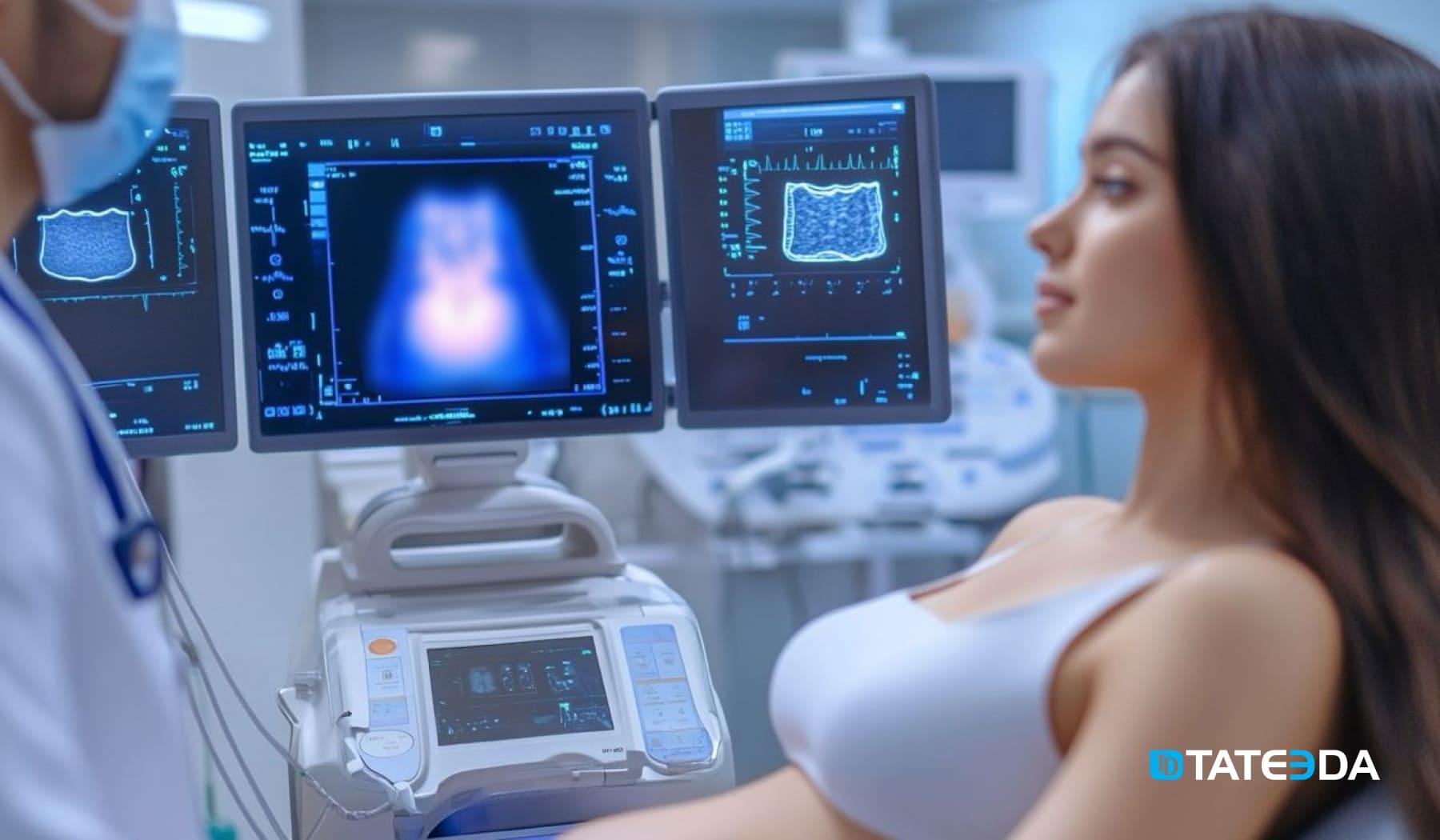
Artificial Intelligence is making important strides in enhancing patient care by streamlining diagnostics and treatment plans. This emerging technology harnesses vast amounts of data to identify patterns that may elude human practitioners. By incorporating AI-driven tools, healthcare providers can achieve:
- Rapid Diagnosis: Algorithms analyze medical images and patient records far quicker than traditional methods, allowing for early intervention.
- Personalized Treatment: AI assesses a patient’s unique genetic makeup and medical history to tailor therapies that maximize effectiveness.
- Continuous Monitoring: Wearable devices equipped with AI can track health metrics in real-time and alert clinicians to potential issues before they escalate.
The integration of AI into diagnostics can also help in overcoming common barriers within the healthcare system,such as resource limitations and regional disparities. By maximizing efficiency, AI tools can enhance collaboration between healthcare professionals and improve overall outcomes. A table summarizing key AI applications in diagnostics illustrates this potential:
| AI Submission | Benefits |
|---|---|
| medical Imaging | improved accuracy in detecting conditions such as cancer. |
| Predictive Analytics | Proactive identification of at-risk patients. |
| Telemedicine Support | Enhanced patient triage and consultation efficiency. |
Streamlining Administrative Processes with Machine Learning

Administrative burdens within Ireland’s healthcare system have been a long-standing challenge, often diverting valuable resources away from patient care. By employing machine learning, we can enhance efficiency in various sectors such as scheduling, billing, and compliance monitoring. This technology can automate routine tasks, analyze large datasets for patterns, and predict future needs, ultimately freeing up healthcare professionals to focus more on their patients. Such as, predictive analytics can streamline patient scheduling by anticipating cancellations or delays, thereby optimizing clinic workflows.
Moreover, integrating machine learning technology can lead to significant improvements in data management and reporting capabilities. With intelligent algorithms, healthcare providers can effortlessly manage vast amounts of patient data, ensuring that all necessary information is readily accessible for effective decision-making. Key benefits include:
- Reduced Administrative Costs: Automated processes minimize the need for manual input, cutting down on overhead expenses.
- Enhanced Data Accuracy: Machine learning algorithms can reduce human errors associated with manual data entry.
- Real-time Insights: Instant access to analytics ensures that administrators can make timely, informed decisions.
Data Privacy and Ethical Considerations in AI Implementation

As the integration of artificial intelligence in healthcare gains momentum,data privacy and ethical considerations remain paramount. When personal health data is leveraged to train AI algorithms,the potential for misuse or unauthorized access intensifies. A robust framework is essential to ensure that individuals’ sensitive information is handled with care. Key points for consideration include:
- Informed Consent: Patients should be well-informed about how their data will be used.
- Data Anonymization: Implementing techniques to anonymize patient data can help protect individual identities.
- Regulatory Compliance: Adhering to laws such as GDPR is crucial in maintaining trust and safeguarding privacy.
ethical concerns also arise when deploying AI technologies within the healthcare sector.Issues such as algorithmic bias can lead to disparities in treatment outcomes among different demographics. Ongoing vigilance is necessary to ensure that AI systems are clear, accountable, and equitable. Crucial ethical considerations include:
- Bias Mitigation: Continuous evaluation of AI algorithms to rectify bias in training data.
- Human Oversight: Maintaining a human-in-the-loop approach ensures that AI augments rather than replaces human judgment.
- Stakeholder Collaboration: Engaging patients, healthcare providers, and technologists in discussions about AI deployment can foster a more inclusive approach.
Building a Skilled Workforce for AI Integration in Medicine

The prosperous integration of AI tools in the Irish healthcare system hinges on a well-trained workforce capable of harnessing advanced technologies. this necessitates a collaborative approach between educational institutions, healthcare providers, and technology companies. By developing complete training programs, healthcare professionals can acquire essential skills in data analytics, machine learning, and the ethical implications of AI. The following are key areas to focus on:
- Curriculum Growth: Creating specialized courses that blend medical education with AI technology.
- Continuing Education: Providing ongoing training sessions for current healthcare workers to keep pace with rapid technological advancements.
- Interdisciplinary Collaboration: Encouraging partnerships between tech talents and healthcare professionals to foster innovation.
Moreover, fostering a culture of adaptability within the medical community is essential. Incentivizing healthcare professionals to embrace continuous learning can strengthen the workforce’s capacity to implement and maximize AI benefits effectively. To support this evolution, organizations can implement mentorship programs and workshops designed to increase familiarity with AI applications in real-world settings. A potential framework for building such a skilled workforce could include:
| Program Type | Target Audience | Duration |
|---|---|---|
| Introductory AI in Medicine | Medical Students | 6 months |
| AI Ethics Training | Healthcare Professionals | 3 months |
| Advanced Data analytics Workshops | Data Scientists | 4 weeks |
Collaborative Efforts Between Government and Tech Industry

In recent years, the synergy between public policy makers and technology innovators has gained considerable momentum, especially in the realm of healthcare. Governments worldwide, including Ireland, are increasingly recognizing the critical role of tech firms in driving healthcare modernization. Collaborative initiatives have led to the development of cutting-edge solutions that harness artificial intelligence to improve patient outcomes, streamline operations, and enhance decision-making processes. By fostering an surroundings ripe for innovation, government bodies can help reduce barriers and create frameworks that enable tech companies to deploy their solutions effectively.
One notable example of this collaboration is the establishment of public-private partnerships (PPPs) that focus on AI advancements in healthcare. These partnerships not only facilitate funding and resources but also encourage knowledge-sharing and co-development of applications tailored to the unique challenges faced by the health sector. Key areas of focus include:
- Predictive Analytics: Utilizing AI to anticipate patient needs and resource allocation.
- telemedicine Solutions: Enhancing remote healthcare delivery and accessibility.
- data Management: Improving the handling of patient information for better health outcomes.
| Collaboration Type | Focus Area | Expected Outcome |
|---|---|---|
| Public-Private Partnerships | Predictive analytics | Improved Patient Care |
| Innovation Hubs | Telemedicine | Increased Accessibility |
| Research Collaborations | Data Management | Enhanced Efficiency |
Concluding Remarks
the potential for artificial intelligence to revolutionize Ireland’s healthcare system is not only significant but also increasingly attainable. As outlined in this article,AI technologies can enhance diagnostic accuracy,streamline administrative processes,and facilitate personalized treatment plans,ultimately leading to improved patient outcomes. However, the successful integration of these innovations will require careful consideration of ethical implications, data privacy, and the training of healthcare professionals. As the Irish government and health authorities explore these new frontiers,the collaboration between technology providers,medical practitioners,and policymakers will be crucial. with the right approach, AI could not only modernize Ireland’s healthcare landscape but also set a benchmark for other nations aiming to harness technology for better health services. As we look toward the future, the dialogue on how best to implement AI in healthcare continues, promising a transformative journey ahead.