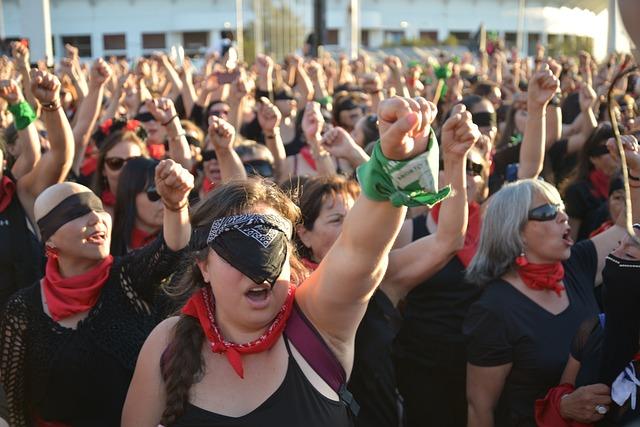
In recent months, a wave of protests has erupted in Serbia, Slovakia, and Georgia, reflecting deep-seated discontent with political leadership and socio-economic conditions. Citizens in these countries are taking to the streets, uniting in their demands for accountability, transparency, and democratic reforms. From calls for environmental protections to resistance against government corruption and political repression, the motivations behind these demonstrations are as varied as the countries themselves. As these movements gain momentum, they highlight a growing trend of civic engagement and dissent in Eastern Europe, raising vital questions about the future of democracy and governance in the region.In this article, we will explore the underlying causes of the protests, the issues at stake, and the implications for the broader geopolitical landscape.
Understanding the roots of Civil Unrest in Serbia, Slovakia, and Georgia

The recent surge of protests across Serbia, Slovakia, and Georgia reflects a complex interplay of historical grievances, political disenchantment, and socio-economic challenges. In each of these countries, citizens express frustration towards perceived government corruption, authoritarianism, and a lack of transparency. These factors are compounded by lingering legacies from past conflicts and political instability, resulting in public outcry for accountability and reform. The protests are not merely spontaneous expressions of dissent; they represent a broader demand for democratic values and respect for human rights.
While the contexts may differ, there are several underlying threads connecting the unrest in these three nations. Notable points for consideration include:
- political Discontent: A widespread belief that local governments have failed to address the needs of the populace.
- Economic Struggles: High unemployment rates and inflation that exacerbate public discontent.
- Media Freedom: Concerns over press freedom and the suppression of dissenting voices leading to calls for journalistic independence.
Across these nations, citizens are demanding a new social contract and re-engagement with the political process, indicating a desire for change that reflects their aspirations for a more equitable society.
The Role of Political Corruption in Fostering Discontent

Political corruption has emerged as a significant catalyst for unrest in many nations, notably in Serbia, Slovakia, and Georgia. When public officials exploit their positions for personal gain,it erodes trust in government institutions and fuels widespread frustration among citizens. The impact of corruption is multifaceted, prompting concerns over issues such as:
- Economic Inequality: Corruption diverts resources meant for public welfare into the pockets of a few, leading to stark socio-economic divides.
- Diminished Rule of Law: A corrupt system frequently enough operates outside legal boundaries,undermining justice and equality.
- Political Apathy: As citizens witness the ongoing malfeasance, disillusionment grows, leading them to withdraw from the political process.
The volatile mixture of these factors stirs a potent cocktail of dissatisfaction that can quickly boil over into street protests. People are compelled to unite against perceived injustices, igniting movements that demand accountability and transparency. Moreover, the visibility of corruption can lead to a snowball effect, where one scandal reveals another, further fueling public outrage. the recent protests in these Eastern European countries illustrate how entrenched corruption can become a rallying point, mobilizing diverse groups around a common goal. Understanding this relationship between corruption and public discontent is crucial for deciphering the dynamics of contemporary protests.
Youth Engagement and the Future of Activism in Eastern Europe

The youth in Eastern Europe have taken the reins of activism, signaling a generational shift in the socio-political landscape of countries like Serbia, Slovakia, and Georgia. Fueled by frustrations over governance, corruption, and environmental concerns, young activists are not only reclaiming public spaces but also redefining the methods of protest. The advent of social media has equipped this generation with powerful tools to mobilize and connect, amplifying their voices and creating transnational networks of solidarity.
- Adaptability: Utilizing digital platforms for rapid interaction.
- Creativity: Employing art, music, and performance to engage diverse audiences.
- Inclusivity: Emphasizing solidarity among marginalized groups.
this dynamism has birthed innovative forms of protest, combining traditional demonstrations with cultural expressions that resonate with wider audiences. as a notable example, marches in Serbia have seen the integration of local artists and musicians, creating vibrant atmospheres that draw in participants who may not typically engage in political discourse. The collaborative spirit seen in these movements isn’t just limited to local issues; there’s an overarching aim to tackle broader European concerns, including climate change and human rights, aligning youth across borders in Eastern Europe.
Media Influence: Shaping Public Perception and Mobilization

In recent months, the power of media has been unmasked as a catalyst for social movements in Serbia, Slovakia, and Georgia. Grassroots actions have surged forward, fueled by an intricate web of online channels and traditional outlets that spotlight citizens’ grievances. Social media platforms, in particular, have become critical venues for sharing facts, rallying supporters, and igniting collective action. Citizen journalists, activists, and everyday individuals utilize these platforms to break through state-controlled narratives, ensuring that the voices of the discontented are heard loud and clear. Each share,post,and tweet serves not only as a call to action but also as a testament to the frustration and determination of the populace.
Moreover, the influence of media extends beyond mere coverage; it actively shapes public perception and mobilizes communities. Key factors include the dissemination of real-time information, the ability to organize spontaneous gatherings, and the amplification of marginalized voices.Events such as protests are frequently enough covered in a way that encourages further engagement, creating a feedback loop where public outcry is not only reported but also responded to by fellow citizens. As the situation unfolds, media narratives—both supportive and critical—play pivotal roles in mobilizing individuals and igniting the dreams of those seeking change. To illustrate this dynamic, consider the following table showcasing the role of various types of media in shaping protest activity across the three countries:
| Media Type | role in Protests |
|---|---|
| Social Media | Real-time updates and mobilization |
| Television | Mass awareness and coverage |
| Print Media | In-depth analysis and opinion pieces |
| Online News Portals | Alternative perspectives and grassroots narratives |
International Reactions and Their Impact on Domestic Protests

The international community’s response to the ongoing protests in Serbia,Slovakia,and Georgia has added a complex layer to the domestic unrest.Global attention has heightened the visibility of these movements, drawing in various stakeholders such as human rights organizations, foreign governments, and international media outlets. These entities have expressed support for the protesters, frequently enough condemning governmental actions that infringe on civil liberties. As a notable example, the European Union has issued statements regarding the need for government accountability and transparency, reinforcing the demands of local activists. this level of international scrutiny not only empowers the protesters but also serves as a cautionary note for ruling parties regarding their treatment of dissent.
Moreover, international reactions can substantially influence public sentiment and the dynamics of protests.As citizens see global figures and institutions rallying behind their cause,it bolsters morale and can encourage wider participation.In many cases, support manifests through actual diplomatic pressure, illustrated by sanctions or the potential for aid to be contingent on human rights conditions.Countries like Serbia experience a particularly mixed reaction, as some foreign nations express concern over their democratic backsliding. The following table summarizes notable international reactions and their potential impacts on domestic protests:
| Country | international Reaction | Potential Impact |
|---|---|---|
| Serbia | EU Condemnation | Increased scrutiny of governing actions |
| Slovakia | Public endorsements from EU Officials | Heightened citizen optimism |
| Georgia | Human Rights NGO support | Amplified calls for reform and justice |
Recommendations for Effective Dialogue and Reforms in the Region

To foster positive outcomes from the current wave of protests in Serbia, Slovakia, and Georgia, stakeholders must prioritize inclusive dialogue between governments, civil society, and the private sector. This dialogue should aim to address the root causes of discontent by establishing platforms for open communication. Essential components include:
- community forums that encourage citizens to express their grievances and propose solutions.
- Regular consultations with youth organizations to ensure that the voices of younger generations are heard.
- Partnerships with NGOs to facilitate civic education and promote political awareness among the populace.
Moreover, extensive reforms are necessary to build trust in public institutions and the political process. Key recommendations for consideration include:
| Area of Reform | Proposed Change |
|---|---|
| Judicial Independence | Enhance mechanisms to safeguard judicial processes from political influence. |
| Media Freedom | establish regulations that protect journalists from harassment and promote transparency. |
| Anti-Corruption Measures | Implement stricter accountability measures for public officials and increase transparency in governance. |
Wrapping Up
As the waves of protest continue to surge across Serbia,slovakia,and Georgia,the motivations behind these movements present a complex tapestry of political discontent and demands for systemic change. Citizens in these nations are voicing their frustrations over issues such as government corruption, economic hardship, and erosion of democratic values. While the specific contexts may differ, the underlying theme resonates universally: a collective call for accountability and reform.
As we witnessed in recent weeks, the power of civic engagement is undeniable, with grassroots movements capturing the attention of both national and international observers.The extent and intensity of these protests highlight a significant moment in the region’s socio-political landscape, serving as a reminder of the enduring struggle for justice and transparency.
Moving forward, the world will be watching closely as the situation evolves. The responses of governments, the resilience of protesters, and the broader implications for democracy in Eastern Europe will shape not only the future of these nations but also the geopolitical dynamics of the region. understanding the root causes and developments in these protests is crucial for fostering informed dialogue and potential solutions to the challenges that lie ahead. As these movements unfold, they may well redefine the narrative of civic engagement and activism in the heart of Europe.