
In a significant development in international relations,Polish President Andrzej Duda has openly called for the deployment of U.S. nuclear weapons on Polish soil. This provocative request underscores the growing security concerns in Central and Eastern Europe amid heightened tensions with Russia, notably in the wake of the ongoing conflict in Ukraine. Duda’s appeal, made during a recent press conference, reflects Poland’s strategic pivot towards strengthening its defense posture and enhancing collective security through deeper military cooperation with the United States. As European nations grapple with the implications of regional stability and deterrence strategies, Duda’s remarks are likely to spark a renewed debate on the role of nuclear arsenals in contemporary geopolitics and the future of NATO’s defense framework. In this article, we delve into the context behind Duda’s statement, the implications for U.S.-Poland relations, and the broader ramifications for security in Europe.
Polands Security Concerns Prompt Call for U.S. Nuclear Deployment
In a bold assertion of national security, President Andrzej Duda of Poland has encouraged the United States to consider deploying nuclear weapons within Polish borders. this declaration comes in the wake of escalating tensions in Eastern Europe, particularly given the ongoing conflict involving Russia and its aggressive military posture.Duda argues that such a move would not only bolster Poland’s defense strategies but also reinforce NATO’s collective security framework amid rising fears of potential aggression from neighboring adversaries.
Key factors influencing this request include:
- Geopolitical Instability: The security landscape in Europe has shifted dramatically, prompting nations like Poland to reevaluate their defense policies.
- NATO Commitments: Enhanced nuclear deterrence aligns with NATO’s strategic goals, aiming to maintain peace through strength.
- Regional Security Needs: Countries in Eastern Europe feel increasingly vulnerable and seek reliable assurances from allies like the U.S.
Should the U.S. decide to respond positively, this potential deployment could set a precedent for future NATO military strategies, possibly changing the dynamics of deterrence not just in Poland but across Europe as a whole.

The Strategic Rationale Behind President Dudas Request
President Duda’s request for the deployment of U.S. nuclear weapons in Poland stems from a strategic necessity to bolster national security in an increasingly volatile geopolitical landscape. With the ongoing tensions surrounding Eastern Europe, particularly due to the actions of neighboring Russia, Poland is seeking to enhance its defense posture through closer military cooperation with the united States. This request is being viewed as a proactive measure, aimed at dissuading any potential aggressions and ensuring a stable security environment for not only poland but also for NATO allies in the region.
Furthermore, the call for U.S. nuclear weapons is grounded in the principles of deterrence and credibility. By housing such armaments, Poland would be reinforcing its commitment to NATO’s collective defense strategy, which asserts that an attack on one member is an attack on all.The rationale can be summarized in several key points:
- Enhanced deterrent effect: A visible U.S. nuclear presence could deter adversaries.
- Strengthened alliances: Closer military ties with the U.S. demonstrate solidarity within NATO.
- Regional stability: A U.S. nuclear deployment could contribute to a balanced power dynamic in Eastern Europe.

Implications for NATO and Regional Stability in Eastern Europe
The call by Poland’s President Duda for the deployment of U.S. nuclear weapons highlights a significant shift in defense policy within Eastern Europe, reflecting rising concerns over regional security. This move underscores a broader trend among NATO member states to bolster their military capabilities in response to perceived threats from neighboring nations, particularly Russia. Key implications include:
- Increased Military Presence: A nuclear deployment could lead to a heightened military presence of NATO forces in Eastern europe, which may act as a deterrent against aggression.
- Crisis Escalation: Conversely, such a deployment could escalate tensions with Russia, prompting a potential military response or further arms buildup.
- Unity Among NATO Allies: This proposal could strengthen unity among NATO members as they reassess their collective defense strategies in light of evolving threats.
Furthermore, this development places Poland at the forefront of the NATO strategy in Eastern Europe, positioning it as a pivotal player in regional stability.The decision could potentially reshape dialog within NATO regarding nuclear deterrence and escalate discussions around the balance of power in the area. Considerations such as:
- Strategic Partnerships: Enhanced bilateral relations between Poland and the U.S.
- Regional Defense Initiatives: Accelerated collaborative defense projects among Eastern European nations.
- public Perception: Shifting public sentiment on nuclear weapons and regional security needs.
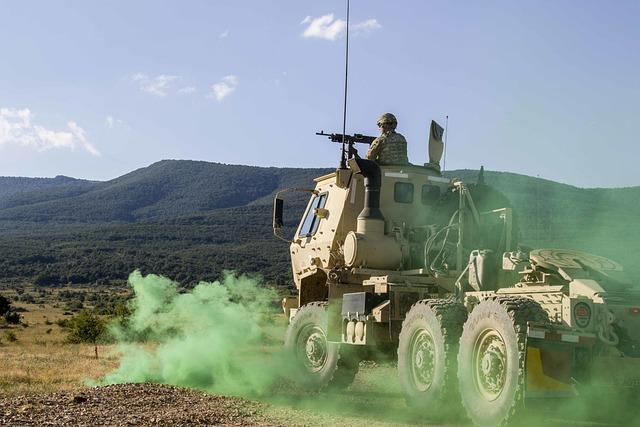
Public Opinion in Poland Regarding Nuclear Weapons Presence
In recent months, there has been a noticeable shift in the public sentiment in Poland regarding the presence of nuclear weapons. A significant percentage of the Polish population appears to support the idea of deploying U.S.nuclear arms on their soil, reflecting growing concerns about regional security and tensions with neighboring countries. According to a recent survey, a considerable 65% of respondents favor this initiative, viewing it as a necessary measure to bolster national defense. This approval is particularly pronounced among younger generations, who perceive the military enhancement as a deterrent against potential aggressions.
However, public opinion is not without its dissenters. Critics argue that the introduction of nuclear weapons could escalate regional anxieties and provoke a military arms race in Eastern Europe.concerns over safety and the historical context of nuclear weaponry further fuel skepticism. A poll indicated that 25% of Poles oppose the deployment, fearing that such a move could embroil Poland in greater geopolitical tensions. As conversations around this issue heat up, it remains to be seen how these contrasting views will influence government policy and international relations moving forward.
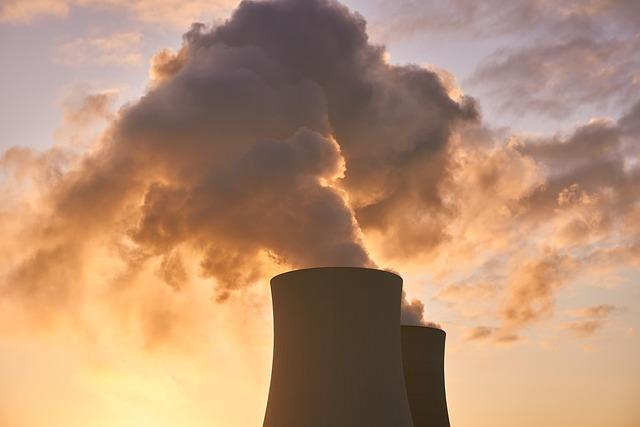
Assessing the Risks and Benefits of U.S. Nuclear Bases in Poland
The potential deployment of U.S. nuclear weapons in poland presents a complex picture of risks and benefits that must be carefully weighed. On one hand, increased military presence and protection could bolster Poland’s security, particularly amid rising tensions with nearby adversaries. The strategic advantages include:
- deterrence: A U.S. nuclear arsenal in Poland could serve as a significant deterrent against aggression from antagonistic nations, particularly Russia.
- Strengthened Alliances: It could solidify Poland’s ties with NATO and enhance collective security measures in Eastern Europe.
- Military Readiness: Continuous U.S. military presence may improve operational readiness and investment in local defense infrastructure.
Conversely,the implications of hosting nuclear weapons raise ample concerns that can destabilize regional dynamics. These risks may involve:
- Increased Tensions: The deployment could provoke adversarial countries, leading to an arms race or retaliatory measures.
- Public sentiment: Local opposition may emerge, driven by fear of potential conflict or accidents associated with nuclear arms.
- International Relations: The move may complicate Poland’s diplomatic interactions within the EU and beyond.
| Aspect | Pros | Cons |
|---|---|---|
| Security | Enhanced protection | Increased risk of conflict |
| Regional Stability | Strengthens NATO | Provocation of enemies |
| Civic Impact | Military investment | Local dissent and anxiety |
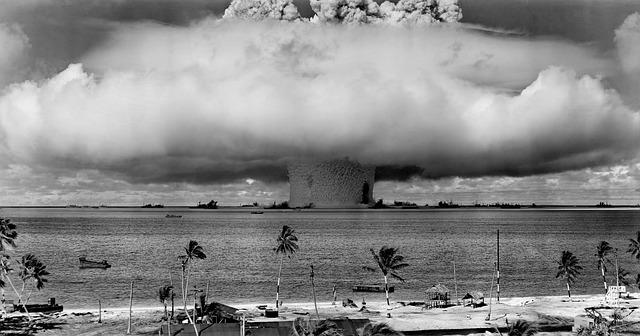
Recommendations for Diplomatic Engagement with Russia and NATO Allies
As tensions continue to escalate between NATO allies and Russia, it is crucial for diplomatic channels to remain open and proactive. Engaging with Russia requires a careful balance of strength and dialogue. To enhance security in Eastern Europe, it is recommended that the U.S.and its NATO allies focus on the following strategies:
- strengthening Military Presence: Increase joint military exercises and develop rapid response capabilities to deter aggression.
- Enhanced Dialogue: Establish regular dialogues between military leaders to reduce misunderstandings and avoid unneeded escalation.
- Unified Economic measures: Coordinate sanctions and economic pressures among NATO members to present a unified front against hostile actions.
- Involve Regional Partners: Collaborate with other nations in Eastern Europe to ensure a collective security framework that includes multiple perspectives.
In tandem with these strategies, it is essential to promote clarity and build trust through various diplomatic initiatives. Engaging in bilateral talks that emphasize mutual interests can pave the way for a de-escalation of hostilities.Consider the following diplomatic measures:
- Track II Diplomacy: Encourage informal dialogues involving non-governmental organizations and cultural exchanges to foster goodwill.
- Joint Task Forces: Create mixed teams for addressing shared concerns such as cybersecurity, economic stability, and counterterrorism.
- Public Commitment to Dialogue: Reaffirm NATO’s commitment to peaceful resolution of disputes through public statements that emphasize collaboration.
- Regular Checkpoints: Implement periodic assessments of military deployments and strategic positions to maintain transparency.

Wrapping Up
President Andrzej Duda’s call for the deployment of U.S. nuclear weapons in Poland underscores the increasing security concerns within Eastern Europe amid escalating tensions with Russia. This appeal reflects not only Poland’s desire for enhanced military cooperation with the United States but also highlights the broader geopolitical dynamics at play in the region. As NATO faces new challenges,the implications of such a deployment would resonate far beyond Poland’s borders,influencing strategic calculations throughout Europe.As the situation develops, the responses from both the U.S.and NATO will be crucial in determining the future of European security and the balance of power in a region that remains on edge. Continued monitoring of this situation will be essential as it unfolds in the coming months.