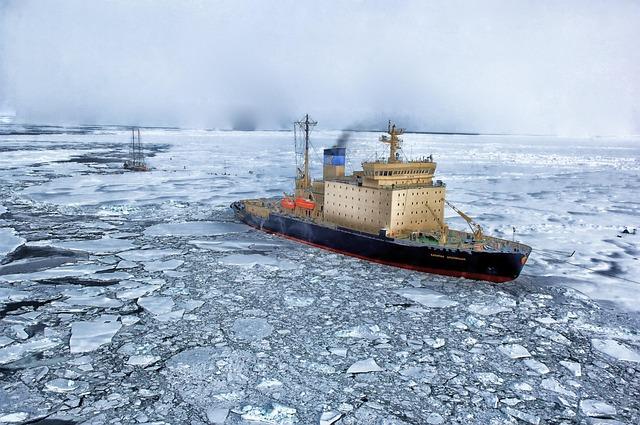
In a significant victory for environmental advocates, plans for deep sea mining in the Arctic waters off Norway have been halted, following intense opposition from Greenpeace UK and various ecologists. This development comes amidst heightened concerns about the potential ecological impact of extracting valuable minerals from the ocean floor, which is home to unique ecosystems and vulnerable wildlife. As the global demand for rare earth elements continues to surge, the decision reflects a growing recognition of the need to balance economic interests with environmental preservation. This article explores the implications of the halted mining plans, the role of grassroots movements in shaping policy, and the broader context of deep-sea mining in a rapidly changing world.
Arctic Deep Sea Mining Plans Halted in Norway: A Win for Environmental Advocacy
In a significant victory for environmental advocacy, plans for deep sea mining in Norway’s Arctic region have been suspended, reflecting growing concerns over the delicate marine ecosystem. Greenpeace UK and several environmental organizations have lauded this decision, emphasizing the importance of protecting these pristine waters from industrial exploitation. The proposed mining operations aimed to extract valuable minerals and metals, which could have severely impacted marine biodiversity and the fragile Arctic habitat. Although proponents of mining argued for the economic benefits, the overwhelming evidence of potential ecological devastation swayed public opinion and policy makers alike.
This halt in deep sea mining operations underscores the increasing recognition of the Arctic as a vital ecological zone that requires stringent protections. Key points driving this decision include:
- Ecological Impact: potential damage to unique marine habitats.
- Climate considerations: Disturbance of carbon sinks crucial for mitigating climate change.
- Indigenous Rights: Respecting the rights of local communities who depend on these waters.
- Global Advocacy: Heightened international pressure to put climate and biodiversity first.
As Norway steps back from these ambitious mining plans, the global community continues to watch closely. Experts argue that protecting the Arctic is not merely a local issue, but one of international importance that can shape global environmental policy. The decision is seen as a reflection of an emerging precedent in balancing economic interests with environmental integrity, leading some to hope for similar outcomes in other regions contemplating deep sea mining. The push for lasting alternatives continues to gain momentum, showcasing the power of collective advocacy in safeguarding our planet’s most vulnerable ecosystems.

Greenpeace UK’s Role in Stopping the Plans: Strategies and Impact
Greenpeace UK played a pivotal role in halting the plans for deep-sea mining in Norway, leveraging a combination of grassroots activism, strategic partnerships, and extensive research. Utilizing its extensive network, the organization mobilized thousands of supporters through campaigns aimed at raising public awareness about the risks associated with deep-sea mining, including the destruction of ecosystems and potential threats to marine biodiversity. They organized protests and creative actions that garnered significant media attention,amplifying the message that the arctic’s waters should be safeguarded for future generations rather then exploited for short-term gain.
Along with grassroots efforts, Greenpeace UK forged alliances with local communities, scientists, and environmental organizations to build a robust coalition against mining interests. This synergy resulted in compelling public narratives and presented lawmakers with tangible evidence of the ecological threats posed by these projects. The impact of their efforts can be seen in the following key outcomes:
| Outcome | Description |
|---|---|
| Legislative Action | Influenced policymakers to consider stricter regulations on deep-sea mining. |
| Public Awareness | Increased global awareness about the dangers of deep-sea mining through media coverage. |
| Community Engagement | Empowered local communities to advocate for the protection of their marine environments. |

The Environmental Risks of Deep Sea Mining in Arctic Waters
the recent decision to halt deep sea mining plans in Norway marks a significant victory for environmental advocates, highlighting the pressing risks associated with exploiting Arctic waters. The remoteness of these ecosystems makes them particularly vulnerable to industrial activities, which can lead to detrimental impacts, including:
- Habitat Destruction: The process of mining disrupts fragile ecosystems, potentially eradicating species that are not yet fully understood.
- Pollution: Sediment plumes released during mining can contaminate large areas, affecting marine life and local fisheries.
- Climate Change Impact: Disturbance of the seabed can release stored greenhouse gases, exacerbating global warming.
Moreover, the Arctic region is already undergoing significant changes due to climate change, making the introduction of additional stressors through mining all the more concerning. The potential long-term effects of such activities on biodiversity are still largely uncharted,leading to calls for a precautionary approach. Decision-makers are urged to consider the following factors:
| Factor | Potential Impact |
|---|---|
| species Vulnerability | Increased extinction risk for endemic species. |
| Local Communities | Threats to customary livelihoods,such as fishing. |
| Research Gaps | Insufficient data on ecosystem resilience and recovery. |
Norway’s Decision: Implications for Future Mining Regulations
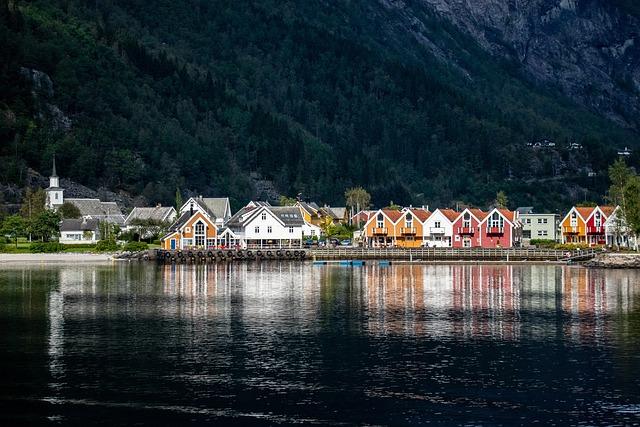
Norway’s recent halt on plans for Arctic deep sea mining could set a precedent for future mining regulations across the globe. This decision reflects a growing recognition of the importance of protecting fragile marine ecosystems. As environmental concerns gain traction, countries may be compelled to reevaluate their approaches to resource extraction in sensitive areas.Potential implications of Norway’s decision include:
- Increased scrutiny on environmental impacts: Nations may adopt stricter measures to assess the ecological consequences of mining activities.
- Enhanced international cooperation: Countries could collaborate more effectively to establish complete regulations for deep sea mining.
- Greater public advocacy: The influence of organizations like Greenpeace may inspire grassroots movements demanding sustainable mining practices.
Considering this decision, the future of mining regulations might trend towards a more cautious and sustainable model. Policymakers will likely prioritize the health of marine biodiversity alongside economic interests, leading to innovative regulatory frameworks. Governments may explore solutions, such as:
| Regulatory Approach | description |
|---|---|
| Precautionary Principle | Implement measures to prevent harm before it occurs. |
| Adaptive Management | Continuously adjust policies based on environmental monitoring results. |
| Stakeholder Involvement | Engage local communities and environmental groups in decision-making. |
Recommendations for Sustainable Ocean Resource Management
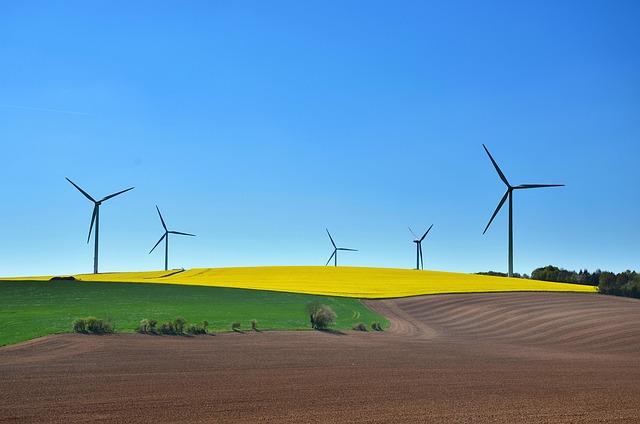
As the conversation around ocean resource management intensifies, particularly considering halted deep-sea mining efforts, several recommendations surface for promoting sustainability in our oceans. Stakeholder engagement is pivotal; involving local communities, indigenous groups, and environmental organizations ensures diverse perspectives are integrated into decision-making processes. Moreover, implementing robust marine protected areas (MPAs) can serve as crucial sanctuaries for marine biodiversity, preserving delicate ecosystems from industrial activity. Governments and corporations alike are urged to adopt a cautious approach, promoting practices that limit environmental degradation.
Moreover, employing innovative technologies and fostering scientific research can significantly enhance sustainable practices in ocean resource usage. Utilizing data-driven assessments to monitor marine health will allow stakeholders to make informed decisions, reducing the risk of harmful exploitation.Educational programs focusing on ocean literacy can empower the public to advocate for healthier oceans. Supporting initiatives that encourage circular economies in marine industries can lead to more sustainable practices that minimize waste and promote the recycling of materials sourced from the sea.

The Path Forward: Balancing Economic interests and Environmental protection
The recent halting of deep sea mining plans in Norway serves as a pivotal moment for stakeholders concerned about sustainable development. As nations grapple with the dual pressures of economic growth and environmental stewardship, it becomes critical to explore strategies that harmonize these often conflicting interests. Advocates are urging that the focus should shift to investing in renewable technologies and supporting sustainable resource management. This approach not only protects fragile marine ecosystems but also fosters new economic opportunities through green jobs and innovation.
To successfully navigate the complexities of environmental protection alongside economic development, several key initiatives can be pursued:
- Enhanced Regulatory Frameworks: Establishing clear guidelines and enforcement mechanisms is essential.
- Stakeholder Engagement: Involving local communities and Indigenous groups in decision-making processes ensures diverse perspectives are considered.
- Investment in Research: Funding scientific studies on marine health can inform better practices and innovative solutions.
Moreover,a collaborative international approach could provide a blueprint for future endeavors. By prioritizing dialogue among countries, corporations, and environmental organizations, we can create a dynamic economy that respects planetary boundaries while still promoting growth and innovation.
To Conclude
the recent decision to halt plans for Arctic deep sea mining in Norway marks a significant victory for environmental advocacy, particularly for organizations like Greenpeace UK that have fervently campaigned against such initiatives. This development not only underscores the growing recognition of the need to protect fragile ecosystems but also highlights the broader conversation surrounding sustainable resource management in the face of a climate crisis. As nations and corporations navigate the complex interplay of economic interests and ecological preservation, Norway’s move serves as both a crucial precedent and a call to action for other countries grappling with similar dilemmas. The implications of this decision will likely resonate throughout the global community as we collectively strive to balance human ambition with the need to safeguard our planet for future generations.