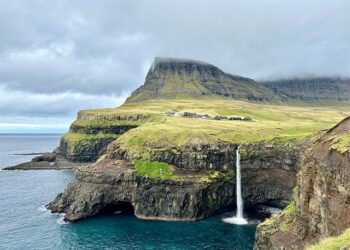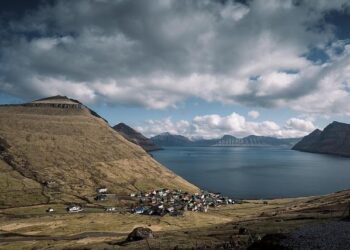
In a groundbreaking study that sheds new light on the past migrations of the Vikings, researchers are uncovering the genetic footprints left by thes seafaring explorers in the landscapes of Iceland and the Faroe Islands.With the application of advanced genomic techniques, scientists have traced distinct genetic variations that suggest different groups of Vikings settled in these remote territories. This research not only enhances our understanding of Viking history but also challenges long-held assumptions about the homogeneity of Norse settlements. As we delve into the genetic evidence and its implications, we explore how these findings can reshape our perceptions of Viking society and their expansive reach throughout the North Atlantic during the medieval period.
Exploring Genetic Diversity Among Viking Settlers in Iceland and the Faroe Islands
The genetic landscape of the Viking Age settlers in Iceland and the Faroe Islands reveals striking differences, suggesting unique migration patterns and population dynamics. Recent studies utilizing cutting-edge genomic sequencing have uncovered that, while both regions were populated by Norse explorers, the genetic profiles of these settlers are markedly distinct. This divergence can be attributed to a variety of factors, including geographic isolation, marriage practices, and the survival of specific lineages through adaptation to their respective environments.
The genetic evidence highlights a mix of ancestry, with notable contributions from the indigenous populations and other European groups.In examining the data, researchers have identified several key influences:
- Scandinavian Settlers: Primarily from Norway and Denmark
- Indigenous Genetic Influence: Interaction with local Celtic populations
- Post-Viking Period Migration: Introduction of genes from later settlers and immigrants
| Population | Genetic Features | Key Ancestry Sources |
|---|---|---|
| Icelandic Vikings | High Scandinavian ancestry, limited Celtic | Norwegian and Danish |
| Faroe Islanders | Balanced mix of Scandinavian and Celtic | Norwegian, Scottish, and irish |
Evidence of Distinct Ancestral Origins Among Viking Populations
Recent genetic studies have revealed compelling evidence that the Viking populations who settled in Iceland and the Faroe Islands exhibit distinct ancestral origins. Researchers analyzed DNA samples from modern Icelanders and Faroese, revealing unique genetic markers that trace back to specific regions in Scandinavia and beyond. This suggests that the migration patterns of the Norse seafarers were far from monolithic, indicating a complex tapestry of ancestral influences that shaped these isolated communities.
The findings highlight the diversity within Viking settlers, demonstrating that the groups who sailed to these remote islands came from different geographical and ethnic backgrounds. Key distinctions include:
- Icelandic Settlers: Predominantly linked to Scandinavian ancestry with a notable influence from the Celtic populations of the British Isles.
- Faroese Settlers: Show a stronger continuity with Norse populations, indicating less influx from the British Isles.
This genetic divergence enriches our understanding of the social and cultural landscapes that existed during the Viking Age, shedding light on the intricate movements that defined their legacy across the North Atlantic.
The Role of Environmental Factors in Viking Migration patterns

The Viking migration patterns were heavily influenced by a myriad of environmental factors that dictated not only their movement but also their settlement strategies. The vast and frequently enough harsh landscapes they navigated—from the fjords of Norway to the windswept shores of Iceland—shaped their decisions and adaptations. Key environmental influences included:
- Climate Variability: The shifting temperatures and weather patterns necessitated the Vikings to seek more hospitable lands, driving them towards the cooler yet fertile regions of Iceland and the faroe Islands.
- Resources Availability: Access to ample fishing grounds, arable land, and timber were crucial, guiding Vikings toward regions rich in these resources during their voyages.
- Maritime Navigation: The geographic features of the North Atlantic, including currents and winds, played a notable role in determining viable routes for exploration and settlement.
Moreover, the ecological conditions of Iceland and the Faroe Islands presented unique challenges and opportunities that influenced Viking communities. As seen in the following table, these factors created distinct environments that promoted varied developments in Viking society:
| Environmental Factor | Iceland | Faroe Islands |
|---|---|---|
| Climate | Subarctic, volcanic | Temperate, oceanic |
| Primary Resources | Fish, sheep farming | Fish, agriculture |
| Settlement Style | Temporary camps, later permanent farms | Small villages, primarily coastal |
These environmental elements not only dictated the survival strategies of the Viking settlers but also laid the groundwork for the diverse cultural heritage that emerged in each region. Their adaptability to ecological conditions allowed them to thrive in remote areas, showcasing their resilience and ingenuity in the face of nature’s challenges.
Understanding the Impacts of Genetic Research on Historical Narratives
The advent of genetic research has opened new avenues for understanding the migration patterns of Vikings to regions such as Iceland and the Faroe Islands. through the analysis of DNA samples, researchers have uncovered that the genetic makeup of the inhabitants of these islands reveals a diverse ancestry that challenges traditional narratives of Viking exploration. Unlike the singular image of raiders and warriors, genetic evidence indicates that the Viking presence in these territories was marked by settlement and assimilation with local populations. This suggests a more complex cultural exchange and offers insights into how historical accounts may have been overly simplistic or narrowly defined. The impacts of these findings are significant, as they invite historians and archaeologists to reconsider their interpretations of Viking history.
A closer examination of genetic data has lead to an emerging picture of multiple waves of migration and settlement strategies. Findings indicate that:
- Diverse Ancestry: The population of Iceland and the Faroe islands includes not only Scandinavian roots but also genetic contributions from Celtic and other European groups.
- Settlement Strategies: Evidence suggests that vikings may have intermarried with local populations rather than displacing them, resulting in a blend of cultures.
- Community Growth: Genetic markers indicate that these islands were not just military outposts but developed into thriving communities influenced by various peoples.
As scholars continue to integrate genetic research into their studies, a more nuanced understanding of the Viking Age emerges, prompting a reevaluation of how we view identity and migration in historical contexts. This not only enriches our appreciation for the Viking legacy but also emphasizes the importance of scientific data in reshaping our grasp of the past.
Recommendations for Further Studies on Viking Genealogy and Settlement History

Future research on Viking genealogy and settlement history could greatly benefit from focusing on a few key areas. Collaboration between geneticists and historians could yield deeper insights, as integrating genetic data with historical context may uncover previously overlooked connections.Additionally, the use of advanced genomic technologies, such as whole-genome sequencing, can enhance our understanding of population structures and migrations. This could lead to novel findings about the diverse origins of Viking settlers in regions like Iceland and the Faroe Islands.
Field studies and archaeological excavations in these regions should also be prioritized to complement genetic research. This could involve:
- Surveying past settlements to identify and study burial sites.
- Collecting artifacts that can provide context to the genetic findings.
- Documenting oral histories that may reflect the Viking legacy in contemporary cultures.
In addition, establishing a complete database that integrates genetic samples with historical records would support ongoing and future investigations, ensuring that researchers have access to a central repository of relevant data for comparative analysis.
Implications of genetic Findings for Modern Descendants of Viking Settlers

The recent genetic studies have shed light on the complex ancestries of modern Icelanders and Faroese, revealing distinct lineages that draw from different Viking populations. This genetic diversity not only highlights the varied origins of the settlers but also emphasizes the adaptation and integration of these groups into the local environments. Understanding these unique genetic legacies can deepen the sense of identity among descendants today.The implications extend beyond mere ancestry and challenge preconceived notions of cultural and genetic homogeneity in these regions.
As the genetic data unfolds,it becomes evident that the legacy of these Viking settlers is not solely a matter of historical interest but also impacts contemporary issues such as health and disease predisposition. For instance, specific genetic traits may correlate with particular health risks or even advantages, raising awareness of the need for personalized medicine. Key takeaways from these findings include:
- Enhanced appreciation of cultural identities: Acknowledging diverse Viking heritages fosters a richer cultural narrative.
- Public health insights: Genetic predispositions identified in modern descendants can inform better health policies.
- promoting heritage tourism: Unique lineages could drive interest in historical tourism focused on Viking settlements.
| Aspect | Implication |
|---|---|
| Genetic Diversity | Reflects varied Viking origins |
| Cultural Identity | Fosters a richer narrative |
| Health Awareness | informs personalized health approaches |
In Retrospect
the genetic research shedding light on the Viking voyages to Iceland and the Faroe Islands underscores the complexity of Norse exploration during the medieval period. By analyzing genomic data, scientists are unraveling the intricate tapestry of migration and settlement patterns, illuminating not only the diverse origins of these seafaring communities but also their lasting impact on the regions they inhabited. As further studies emerge,we gain a deeper understanding of how these genetic legacies shaped the modern populations of Iceland and the Faroe Islands,enriching our appreciation of Viking history. This ongoing research not only contributes to our knowledge of ancient cultures but also highlights the interconnectedness of human history,reminding us that the stories of our ancestors are woven into the very fabric of our identities today.