* . *
EUROP INFO
ADVERTISEMENT
Monday, March 2, 2026
No Result
View All Result
No Result
View All Result
EUROP INFO
No Result
View All Result
Home Bosnia-and-Herzegovina

30 Years of Struggle: The Ongoing Challenge of Nation-Building in Bosnia and Herzegovina

Caleb Wilson by Caleb Wilson
June 27, 2025
in Bosnia-and-Herzegovina
30 Years of Struggle: The Ongoing Challenge of Nation-Building in Bosnia and Herzegovina
ADVERTISEMENT

Three decades after the Dayton Agreement ended the brutal conflict in Bosnia and Herzegovina, the nation remains mired in political stagnation and ethnic division. Despite countless international efforts and billions in aid aimed at fostering unity and stability, Bosnia and Herzegovina continues to struggle with ineffective governance, economic challenges, and unresolved inter-ethnic tensions. A recent report by The Heritage Foundation paints a stark picture of persistent failure in nation-building efforts, raising pressing questions about the future of this Balkan state and the role of the international community in securing lasting peace.

Table of Contents

Toggle
  • Nation-Building Challenges Rooted in Ethnic Divisions and Political Fragmentation
  • Economic Stagnation and the Impact on Social Cohesion in Bosnia and Herzegovina
  • Strategic Policy Recommendations for Sustainable Governance and National Unity
  • Wrapping Up

Nation-Building Challenges Rooted in Ethnic Divisions and Political Fragmentation

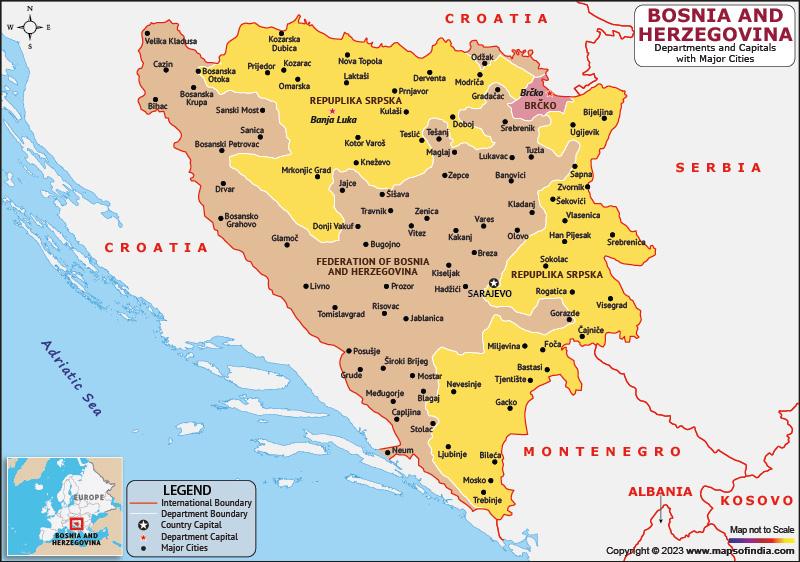
Ethnic divisions in Bosnia and Herzegovina have created a complex mosaic of identities that continuously obstruct efforts to form a unified national polity. The Dayton Agreement, while halting active conflict, institutionalized ethnic power-sharing that has entrenched political fragmentation and cemented the dominance of three main ethnic groups: Bosniaks, Croats, and Serbs. This framework has resulted in overlapping jurisdictions and rival administrations, rendering governance inefficient and perpetuating deep-seated mistrust. The political elite often prioritize ethnic interests over national coherence, undermining initiatives for genuine reconciliation and socio-economic progress.

Key consequences of these divisions include:

  • Stalemate in constitutional reforms essential for state functionality.
  • Duplication of institutions leading to inflated public spending.
  • Weak central government incapable of enforcing nationwide policies.
  • Persistent ethnic segregation in education and public life.
Ethnic GroupPolitical RepresentationAdministrative Complexity
Bosniaks33%High
Croats17%Medium
Serbs34%High

Economic Stagnation and the Impact on Social Cohesion in Bosnia and Herzegovina

Over three decades after the Dayton Agreement, Bosnia and Herzegovina remains trapped in a cycle of economic inertia that severely undermines the very fabric of its society. Chronic unemployment, especially among the youth, combined with stagnant wages and limited foreign investment, has created a fertile ground for frustration and disillusionment. This persistent economic malaise fuels divisions along ethnic and political lines, as communities compete for scarce resources rather than foster unity. The fragmentation of economic opportunities has deepened social disparities, leading to increased emigration and brain drain, further eroding the social cohesion necessary for any meaningful nation-building.

The following table illustrates key economic indicators contributing to social strain across Bosnia’s main entities:

IndicatorFederation of BiHRepublika SrpskaBrčko District
Unemployment Rate (%)33.428.730.2
Average Monthly Wage (€)460420445
Foreign Direct Investment (per capita €)11095105

The lack of sustainable economic growth has forced local populations into survival mode, where ethnic affiliations often become default social anchors. Instead of bridging differences, economic hardship exacerbates mistrust and reinforces separatist tendencies, creating a paradox where economic stagnation and political fragmentation feed off each other. Without targeted reforms and inclusive economic policies, Bosnia’s social cohesion will remain fragile, leaving its long-term stability and sense of shared national identity in jeopardy.

Strategic Policy Recommendations for Sustainable Governance and National Unity

To break the cycle of political stagnation and ethnic division, Bosnia and Herzegovina must implement
bold governance reforms anchored in transparent and inclusive decision-making processes. Prioritizing the decentralization of power while ensuring a robust central authority can help harmonize conflicting interests between entities. Furthermore, fostering an environment where civic identity takes precedence over ethnic allegiances is crucial, necessitating comprehensive educational reforms that promote shared history and democratic values across all communities.

Key strategic actions include:

  • Institutional overhaul: Reform electoral laws to minimize ethnic-based voting, promoting cross-community cooperation.
  • Judicial independence: Strengthen the judiciary to uphold rule of law impartially and combat corruption effectively.
  • Economic integration: Develop joint infrastructure and economic projects to create interdependencies and reduce ethnic tensions.
  • International engagement: Utilize international diplomatic channels to monitor progress and mediate disputes with credible consequences.
Policy FocusExpected OutcomeTimeframe
Electoral ReformReduced ethnic polarization2-3 years
Judicial IndependenceIncreased public trust3-5 years
Economic CollaborationImproved regional stability5 years and beyond
International OversightAccountability and complianceOngoing

Wrapping Up

As Bosnia and Herzegovina marks three decades since the Dayton Accords, the ongoing challenges in nation-building continue to hinder its path toward stability and prosperity. The Heritage Foundation’s analysis underscores the persistent political fragmentation, economic stagnation, and social divisions that have stalled progress. Without significant reforms and renewed commitment from both domestic leaders and the international community, the prospects for a cohesive and functional state remain uncertain. As the country grapples with its complex legacy, the next chapter in Bosnia and Herzegovina’s history will depend on its ability to overcome longstanding obstacles and forge a common national identity.


Tags: Balkan politicsBosnia-and-HerzegovinaDayton Agreementethnic conflictEuropean BalkansFailed StateGovernanceinternational interventionnation-buildingnationalismpeacebuildingpolitical instabilitypost-conflict reconstructionstate sovereigntyThe Heritage Foundation
ADVERTISEMENT
Previous Post

Norway Commits $6 Million to Empower Women’s Organizations in Ukraine

Next Post

Portugal Confident It Will Hit Defense Spending Target by 2025

Caleb Wilson

Caleb Wilson

A war correspondent who bravely reports from the front lines.

Related Posts

Bosnia’s Experience Shows What Happens When America Steps Back – The National Interest
Bosnia-and-Herzegovina

What Bosnia’s Experience Reveals About the Consequences of America Stepping Back

March 1, 2026
Bosnia & Herzegovina – Migrant mobility situation report (Febuary 2025) [EN/BS] – ReliefWeb
Bosnia-and-Herzegovina

Inside Bosnia & Herzegovina: February 2025 Update on Migrant Mobility

February 27, 2026
The Citizens’ Assembly of Bosnia and Herzegovina Process Begins – EEAS
Bosnia-and-Herzegovina

The Citizens’ Assembly of Bosnia and Herzegovina Process Begins – EEAS

February 25, 2026
Bosnia and Herzegovina – Britannica
Bosnia-and-Herzegovina

Discover the Rich History and Culture of Bosnia and Herzegovina

February 23, 2026
Bosnia and Herzegovina: Multiple dead in nursing home fire – DW.com
Bosnia-and-Herzegovina

Tragic Nursing Home Fire in Bosnia and Herzegovina Claims Multiple Lives

February 22, 2026
Commissioner Kos visits Bosnia and Herzegovina to support reform and progress efforts towards a European future – Enlargement and Eastern Neighbourhood
Bosnia-and-Herzegovina

Commissioner Kos Visits Bosnia and Herzegovina to Champion Reform and Drive Progress Toward a European Future

February 20, 2026
Child Marriage in Andorra – The Borgen Project

Ending Child Marriage in Andorra: A Call for Change

March 1, 2026
Kazakhstan, UK Boost Partnership with Education Deals – Caspian Post

Kazakhstan and UK Strengthen Ties Through Exciting New Education Partnerships

March 1, 2026
Reviewing NWSL’s bold new 2026 jerseys: Big swings, city ties, and falling short – The New York Times

NWSL’s Bold 2026 Jerseys: Striking Designs, City Pride, and Where They Miss the Mark

March 1, 2026
Row erupts in Italy over rights to the face of ‘Prince of Laughter’, the comedian and actor Totó – The Art Newspaper

Fiery Debate Ignites in Italy Over Rights to the Iconic Face of ‘Prince of Laughter’ Totó

March 1, 2026
Scrutiny of Isle of Man Assisted Dying Bill not a delay, says MOJ – BBC

Ministry of Justice Assures: Isle of Man Assisted Dying Bill Review Is Not a Delay

March 1, 2026
Saffa schools’ star Josh Neill: ‘End goal’ is to become Ireland international – Rugbypass.com

Saffa Schools’ Star Josh Neill Sets Sights on Becoming an Ireland International

March 1, 2026
Macron Makes France a Great Middle Power – Carnegie Endowment for International Peace

Macron Makes France a Great Middle Power – Carnegie Endowment for International Peace

March 1, 2026
Russia hammers Ukraine after halt announced by Trump, plunging thousands into frigid dark on eve of talks – CBS News

Russia Strikes Ukraine Following Trump’s Halt, Leaving Thousands in Freezing Darkness Ahead of Crucial Talks

March 1, 2026

Categories

Archives

June 2025
MTWTFSS
 1
2345678
9101112131415
16171819202122
23242526272829
30 
« May   Jul »

Our authors

  • Atticus Reed
  • Ava Thompson
  • Caleb Wilson
  • Charlotte Adams
  • Ethan Riley
  • Isabella Rossi
  • Jackson Lee
  • EURO-NEWS
  • Mia Garcia
  • Noah Rodriguez
  • Olivia Williams
  • Samuel Brown
  • Sophia Davis
  • Victoria Jones
  • William Green

© 2024 EUROP.INFO - Copyright for syndicated content belongs to the linked Source.

No Result
View All Result

    © 2024 EUROP.INFO - Copyright for syndicated content belongs to the linked Source.

    This website uses cookies. By continuing to use this website you are giving consent to cookies being used. Visit our Privacy and Cookie Policy.
    Go to mobile version

    1 - 2 - 3 - 4 - 5 - 6 - 7 - 8