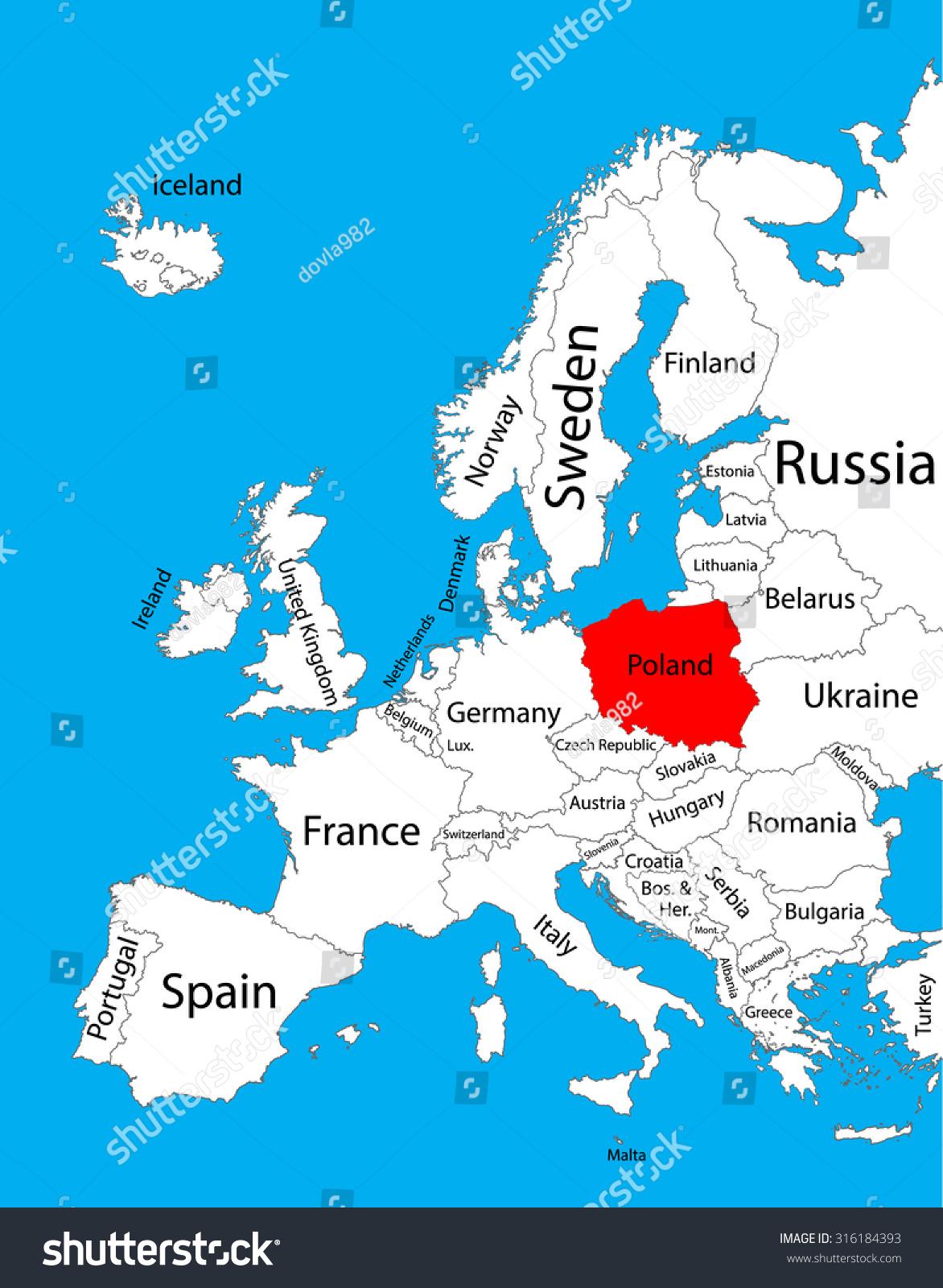
Poland has characterized the recent mass drone incursion launched by Russia as a deliberate “test,” signaling heightened tensions amid the ongoing conflict in Eastern Europe. The large-scale drone assault, which targeted critical infrastructure and defensive positions, underscores Moscow’s evolving tactics and its willingness to probe neighboring countries’ responses. This development adds a new dimension to the security challenges faced by Poland and its allies, as they navigate the volatile strategic landscape shaped by Russia’s persistent aggression.
Poland Labels Russia’s Drone Incursion a Strategic Test of Defenses
Polish defense officials have characterized the recent swarm of drones launched by Russia as a calculated probe aimed at evaluating Poland’s aerial defense systems. Rather than a mere act of aggression, Warsaw interprets the maneuver as a deliberate effort to identify vulnerabilities in its airspace surveillance and rapid response protocols. The Polish military emphasized that the high volume and coordination of the drones served to simulate a larger scale attack, potentially aiding Russian forces in refining future offensive tactics.
In response to this perceived “test,” Poland has accelerated upgrades to its integrated air defense network, prioritizing the deployment of new technologies designed to detect and neutralize low-signature aerial threats. Key measures underway include:
- Enhanced radar systems with improved low-altitude detection capabilities
- Expanded fighter jet patrols over critical borders and infrastructure
- Advanced electronic warfare units tasked with disrupting drone communications
| Aspect | Current Status | Planned Improvements |
|---|---|---|
| Radar Coverage | Moderate low-altitude detection | Upgrade to multi-band systems |
| Interception Readiness | Standard jet patrol cycles | Increased sorties and rapid response drills |
| Electronic Warfare | Limited jamming capability | Deploy mobile EW units near border zones |
Analyzing the Tactical Implications of Russia’s Drone Swarm on Eastern Europe
Russia’s deployment of a drone swarm over Eastern Europe signals a significant shift in tactical warfare, emphasizing the growing reliance on unmanned aerial vehicles to conduct rapid, coordinated strikes. This mass incursion appears calculated to test the defense infrastructures of NATO member states, particularly aimed at probing response times, electronic warfare capabilities, and early warning systems. The drones’ ability to overwhelm traditional air defense networks with sheer numbers presents a critical challenge, potentially forcing a reevaluation of how integrated air defenses must evolve to address not only kinetic threats but also cyber and electronic countermeasures.
Key tactical implications emerging from this operation include:
- Adaptation of layered defense strategies to counter low-cost, expendable swarm units.
- Increased emphasis on electronic warfare and jamming technologies to disrupt swarm coordination.
- Enhanced intelligence gathering for early detection and interception planning.
Below is a brief comparison of traditional air defense versus drone swarm threats:
| Defense Aspect | Traditional Threat | Drone Swarm Challenge |
|---|---|---|
| Detection | Radar tracking of large aircraft | Multiple small, low-RCS targets |
| Interception | Targeting single high-value assets | Simultaneous engagement of numerous drones |
| Countermeasures | Missiles and anti-aircraft artillery | Electronic jamming and swarm disruption |
Strengthening Air Defense Systems Key to Countering Future Drone Threats
Recent events have underscored the urgent need for modernized and adaptive air defense mechanisms capable of neutralizing swarms of unmanned aerial vehicles. The mass drone incursion exposed critical vulnerabilities in existing systems, which were largely designed to counter traditional manned aircraft and missile attacks. Experts agree that counter-drone capabilities must integrate advanced radar detection, electronic warfare, and rapid-response interceptors to effectively address the evolving threat landscape. Key priorities include:
- Real-time threat identification: Leveraging AI and machine learning to distinguish hostile drones from civilian or neutral air traffic.
- Layered defense networks: Combining kinetic and non-kinetic technologies to create overlapping zones of protection.
- Drone swarm countermeasures: Developing systems that can disrupt communication links or disable multiple UAVs simultaneously.
Investment in research and development is also accelerating, focusing on affordable and scalable solutions that can be deployed rapidly across vulnerable regions. NATO allies and partner nations are collaborating on sharing intelligence and standardizing counter-drone tactics to prepare for future incursions that may be larger or more coordinated. The table below highlights some of the emerging technologies being prioritized for deployment:
| Technology | Capability | Deployment Status |
|---|---|---|
| Directed Energy Weapons | Precision disabling of drone electronics | Testing phase |
| Multi-sensor Radar Systems | Enhanced tracking & identification | Active deployment |
| Electronic Jammer Arrays | Communication disruption | Field trials |
| Autonomous Interceptor Drones | Physical engagement and neutralization | Prototype stage |
Concluding Remarks
As the conflict continues to unfold, Poland’s characterization of Russia’s recent mass drone incursion as “a test” underscores the ongoing strategic maneuvering in the region. Observers will be closely watching how Warsaw and its allies respond to this latest provocation, as the implications extend beyond immediate security concerns to the broader dynamics of Eastern European stability. The coming weeks may prove critical in determining whether this episode marks an escalation or a calculated signal in the protracted conflict.