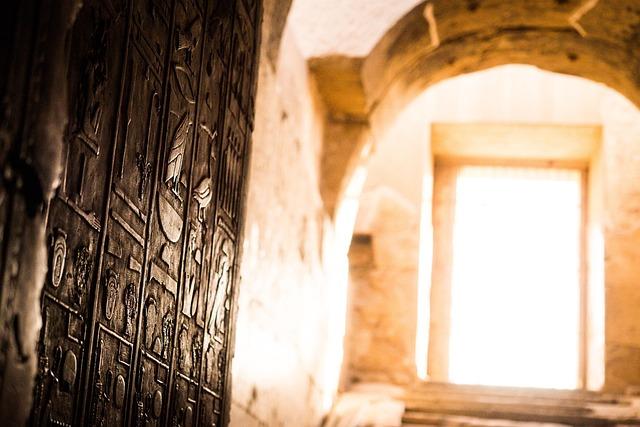
In a significant move toward cultural restoration, two ancient Egyptian artefacts have been repatriated from Belgium, marking a milestone in international heritage cooperation. The return of these invaluable pieces underscores Egypt’s ongoing efforts to recover its historical treasures and highlights the growing global commitment to rectifying past artefact displacements. The artefacts, which had been held abroad for decades, will soon be displayed in Egyptian museums, offering the public renewed access to their rich cultural heritage.
Ancient Egyptian Artefacts Return Home after Long Diplomatic Efforts
After years of complex diplomatic negotiations and cultural dialogue, two priceless ancient Egyptian artefacts have finally been repatriated from Belgium to Egypt. The artefacts, dating back over 3,000 years, represent significant milestones in Egypt’s rich history and heritage. Authorities in Cairo welcomed the return as a major victory for cultural restoration, emphasizing the importance of preserving national treasures on their home soil.
The artefacts include a beautifully preserved bronze statue and an intricately carved limestone relief, both believed to originate from the New Kingdom era. Their return was facilitated through a collaborative effort involving:
- Egyptian Ministry of Antiquities
- Belgian cultural heritage organizations
- International experts in repatriation laws
The following table provides key details about the repatriated items:
| Artefact | Material | Estimated Age | Origin Period | |||||||||||||||||||||
|---|---|---|---|---|---|---|---|---|---|---|---|---|---|---|---|---|---|---|---|---|---|---|---|---|
| Bronze Statue of Anubis | Bronze | Over 3200 years | New Kingdom | |||||||||||||||||||||
| Limestone Relief Panel | Limestone | Approx. 3100 years | Cultural Significance and Historical Context of the Repatriated Treasures The return of these ancient Egyptian artefacts marks a monumental moment in acknowledging the deep-rooted historical narratives embedded within each piece. These treasures, dating back to the New Kingdom period, are more than just relics; they are tangible links to the cultural and spiritual life of Ancient Egypt. Their craftsmanship reveals advanced techniques and symbolic motifs that narrate tales of regal authority, religious ceremonies, and societal hierarchies. Recovering them ensures that the stories engraved in hieroglyphs and stone continue to inspire and educate future generations directly from their place of origin. From a broader perspective, the objects illustrate the interconnectedness of ancient civilizations through trade, conquest, and diplomacy. Key elements highlighting their significance include:
Recommendations for Strengthening International Cooperation on Artefact RepatriationTo foster a more effective global framework for the return of cultural heritage, governments and institutions must prioritize transparent dialogue and mutual respect. Establishing clear protocols for provenance research, coupled with shared databases, can significantly reduce disputes and accelerate the identification process. Furthermore, incorporating multilateral agreements that mandate regular consultations between countries will enhance trust and accountability, ensuring artefacts are repatriated in a timely and dignified manner. Apart from legal and diplomatic advancements, capacity building within originating countries is essential. This includes investment in local museums and conservation facilities, empowering nations to safeguard returned artefacts properly. A strategic collaboration might look like the table below, illustrating key areas of cooperation and shared responsibilities across stakeholders:
|