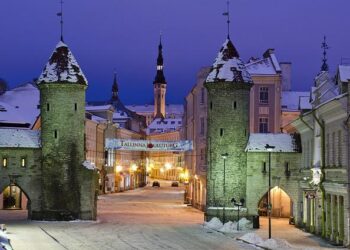
Limp Bizkit’s highly anticipated concert in Estonia has been abruptly canceled following public outcry over frontman Fred Durst’s past expressions of support for Russia and President Vladimir Putin. The decision, announced by local organizers, underscores the growing sensitivity in the Baltic region toward Russia’s geopolitical actions and the increasing scrutiny artists face regarding their political affiliations. This cancellation marks a significant moment in the ongoing intersection of music, politics, and public sentiment in Eastern Europe.
Limp Bizkit Estonia Concert Canceled Amid Backlash Over Fred Durst’s Political Stance
The scheduled Limp Bizkit concert in Estonia has been officially canceled following intense public outcry centered on frontman Fred Durst’s controversial political affiliations. Fans and local activists expressed strong dissatisfaction, citing Durst’s previous public endorsements of Russia and President Vladimir Putin as deeply problematic amid ongoing geopolitical tensions. Event organizers faced mounting pressure to reconsider the band’s appearance, ultimately deciding to pull the plug to avoid further backlash and potential protests.
Community leaders and cultural commentators highlighted several key reasons behind the cancellation:
- Concerns over solidarity: Many Estonians viewed Durst’s stance as clashing with widespread support for Ukraine and European unity.
- Risk of unrest: Organizers worried that allowing the concert might trigger demonstrations or security challenges.
- Impact on local reputation: Hosting the event could have damaged Estonia’s image as a nation aligned with democratic values and peace efforts.
| Factor | Impact |
|---|---|
| Political Stance | Alienation of fans and activists |
| Public Safety | Potential protests or disturbances |
| Organizers’ Concerns | Reputation management |
Exploring the Impact of Artists’ Political Affiliations on International Performances
Artists’ political leanings increasingly shape their reception on the global stage, with international audiences and governments scrutinizing past statements and affiliations more than ever. The recent cancellation of Limp Bizkit’s Estonia concert highlights how an artist’s perceived support for contentious political figures can lead to tangible consequences, including event cancellations and public backlash. Fred Durst’s previous support for Russia and Vladimir Putin, albeit from years ago, sparked strong reactions amid ongoing geopolitical tensions, demonstrating that past political stances remain potent and actionable in today’s interconnected world.
Event organizers and promoters are now weighing not only the commercial viability of acts but also the potential diplomatic and public relations fallout from booking artists with controversial political histories. This balancing act is evident in the range of responses, from outright bans to venue changes, with countries increasingly sensitive to international opinion and local sentiment. Listed below are some key factors influencing the decisions around artist bookings:
- Historical political statements and endorsements
- Current geopolitical climates and conflicts
- Public and governmental pressure from local communities
- Potential impact on diplomatic relations
| Aspect | Effect on International Performances | |||||||||||||||||
|---|---|---|---|---|---|---|---|---|---|---|---|---|---|---|---|---|---|---|
| Artist Political Affiliation | May cause cancellations or increased scrutiny | |||||||||||||||||
| Public Perception | Influences ticket sales and venue willingness | |||||||||||||||||
| Governmental Policies | Can impose bans or restrictions on appearances | |||||||||||||||||
Geopolitical It looks like your table is incomplete, cutting off at the last row. I can help you finish it based on the context and style you’ve provided. Here’s a suggested completion of the last row and a fully formatted table for you:
If you’d like me to help you expand the section, add more details, or assist with anything else regarding this content, please let me know! Recommendations for Musicians Navigating Geopolitical Controversies and Public RelationsMusicians today face increasing scrutiny not only for their art but also for their political associations and public statements. In an era where global tensions influence cultural exchanges, artists must tread carefully, balancing personal beliefs with public perception. It’s essential to maintain transparency and actively manage public relations to prevent past actions or affiliations from overshadowing current work. Engaging with PR professionals who specialize in crisis management and media strategy can help musicians navigate complex geopolitical landscapes with greater agility, avoiding canceled shows or damaged reputations. To mitigate risks, artists should consider these practical steps before embarking on international projects:
In SummaryThe cancellation of Limp Bizkit’s Estonia concert underscores the growing sensitivity and repercussions artists face regarding their political affiliations and past statements. As cultural events increasingly intersect with geopolitical issues, the music industry continues to navigate the complexities of public perception and accountability. This development serves as a reminder that the legacy of past actions can significantly impact an artist’s present opportunities and reception worldwide. ADVERTISEMENT  Related Posts |


![U.S. and Estonian forces enhance interoperability through weapons familiarization [Image 5 of 6] – DVIDS](https://europ.info/wp-content/uploads/2026/04/3046471-us-and-estonian-forces-enhance-interoperability-through-weapons-familiarization-image-5-of-6-dvids-350x250.jpg)