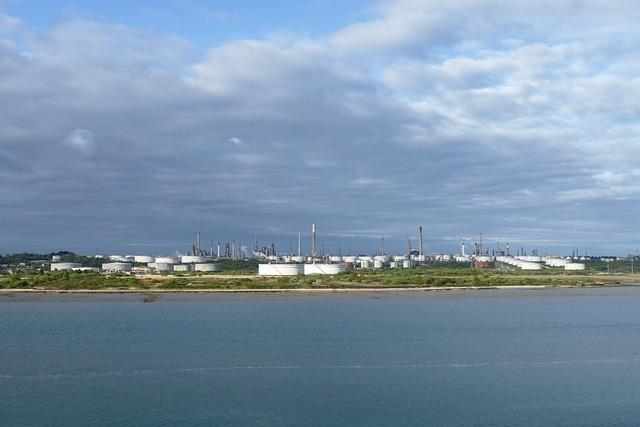
Serbian Oil Refinery Suspends Production Due to US Sanctions
In a significant development affecting Serbia’s energy sector, the country’s largest oil refinery has temporarily halted its operations following the imposition of new sanctions by the United States. The move, confirmed by refinery officials and government sources, highlights the growing geopolitical tensions impacting the Balkan region’s energy supply chain. This suspension marks a critical moment for Serbia’s economy and underscores the broader international repercussions of the US sanctions regime.
Serbian Oil Refinery Halts Operations Amid Escalating US Sanctions
Facing intensifying US sanctions aimed at restricting energy trade in the region, the Serbian refinery has made the unprecedented decision to suspend its refining operations indefinitely. Insiders suggest that the sanction measures, targeting critical supply chains and financial transactions, have severely limited the refinery’s ability to procure crude oil and sell finished products on international markets. This development poses significant risks to Serbia’s energy security and raises concerns about potential ripple effects across the Balkan energy sector.
Experts highlight several immediate consequences stemming from this shutdown:
- Supply disruptions: Local gasoline and diesel supplies are expected to tighten, potentially leading to price volatility.
- Economic impact: Job losses at the refinery and in affiliated industries could increase regional unemployment rates.
- Geopolitical tension: The halt underscores growing geopolitical friction as Western sanctions clash with regional economic dependencies.
| Aspect | Impact | Estimated Timeline |
|---|---|---|
| Crude Supply | Critical shortages | Immediate to 3 months |
| Refinery Output | 0% (full suspension) | Until sanctions lift or terms renegotiated |
| Employment | Up to 30% workforce affected | Within 1 month |
| Energy Prices | Increased volatility | Short to medium term |
Economic Ramifications and Energy Supply Challenges in the Balkans
The suspension of operations at Serbia’s key oil refinery has sent shockwaves through the Balkan energy markets, sparking concerns about immediate supply shortages and long-term economic stability. With US sanctions cutting off crucial import channels, the refinery’s halt risks creating a ripple effect that could escalate fuel prices across the region. This disruption not only threatens local industries dependent on steady energy supplies but also highlights the Balkans’ vulnerability due to limited diversification in energy sources. Regional governments are now under mounting pressure to secure alternative supplies and bolster strategic reserves to prevent potential blackouts and economic slowdowns.
Analysts point to several urgent challenges facing Balkan energy policymakers:
- Dependence on a single refinery: Concentrated processing capacity magnifies risks when disruptions occur.
- Geopolitical instability: The interplay between sanctions and regional alliances complicates supply chain resilience.
- Limited infrastructure: Insufficient pipeline and storage infrastructure impedes rapid response capabilities.
Below is a snapshot overview of the potential economic impact across Serbia and neighboring countries, illustrating projected fuel deficit percentages and estimated quarterly GDP slowdowns:
| Country | Fuel Deficit (%) | GDP Slowdown Estimate (%) | |||||||||||||||
|---|---|---|---|---|---|---|---|---|---|---|---|---|---|---|---|---|---|
| Serbia | 15 | 1.2 | |||||||||||||||
| Bosnia & Herzegovina | 8 | Key Points:
Analyst-Outlined Challenges:
Economic Impact Overview:| Country | Fuel Deficit (%) | GDP Slowdown Estimate (%) | (Note: The provided excerpt cuts off before showing full data for Bosnia & Herzegovina and other neighboring countries.) Implications:
If you need a more detailed economic forecast or policy recommendations based on this, feel free to ask! Strategic Recommendations for Navigating Sanctions and Ensuring Energy StabilityGiven the current sanctions-driven suspension of the Serbian oil refinery, it is imperative for regional stakeholders to adopt a multifaceted approach to mitigate energy disruption risks. Prioritizing diversification of supply sources can reduce dependency on any single foreign entity, enhancing resilience against similar geopolitical pressures in the future. Partnering with alternative energy suppliers from non-sanctioning countries offers a strategic buffer, while increased investment in strategic petroleum reserves ensures a safety net during unforeseen supply shocks. Concurrently, accelerating the transition toward renewable energy infrastructure can diminish the region’s vulnerability to external sanctions targeting fossil fuel industries. The table below outlines critical measures recommended for policymakers and industry leaders to safeguard energy stability:
Future OutlookThe suspension of operations at Serbia’s key oil refinery underscores the far-reaching impact of international sanctions on regional energy markets. As the situation develops, stakeholders across the Balkans will closely monitor both the economic repercussions for Serbia and the broader geopolitical responses. Further updates are expected as authorities and companies navigate the complex challenges posed by these restrictions. ADVERTISEMENT  Related Posts |