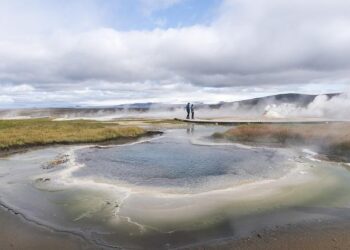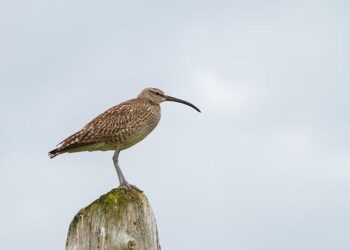
Iceland’s dramatic landscapes are famed for their geothermal wonders, and this past week, a group of intrepid travelers embarked on a remarkable journey chasing the country’s most iconic hot springs. From steamy natural pools hidden in volcanic craters to well-known geothermal spas, their adventure showcased Iceland’s unique blend of natural beauty and cultural heritage. This special report by the Community Newspaper Group captures the sights, sounds, and stories from an unforgettable seven-day exploration across the land of fire and ice.
Exploring Iceland’s Most Scenic Hot Springs Off the Beaten Path
Hidden away from the usual tourist routes, Iceland boasts a collection of lesser-known hot springs that offer solitude and stunning natural beauty. These geothermal gems are often nestled in serene landscapes – from moss-covered lava fields to remote valleys framed by rugged mountains. Among these, Hrunalaug provides a rustic, intimate experience with its small pool and historical charm, while Reykjadalur Valley invites visitors to hike through steam-filled valleys before reaching its warm riverbeds. These offbeat locations often require a bit of trekking, but the reward is an immersive soak under Iceland’s vast skies, far from the crowds.
For those seeking truly unique hot springs, consider adding these spots to your itinerary:
- Landmannalaugar: Known for its colorful rhyolite mountains and mineral-rich waters
- Strútur: A natural spa beside glacial rivers
- Grettislaug: A remote, cliffside spring named after a legendary Icelandic outlaw
Below is a comparison of some key features for these hidden hot springs, to help plan your adventure:
| Hot Spring | Access Difficulty | Water Temperature | Notable Feature |
|---|---|---|---|
| Hrunalaug | Easy | 38-40°C | Historic ambiance |
| Reykjadalur Valley | Moderate hike (3 km) | 35-40°C | Warm river bathing |
| Landmannalaugar | Challenging (off-road driving) | 38-42°C | Colorful volcanic terrain |
Essential Tips for a Safe and Enjoyable Hot Spring Adventure
When embarking on a journey through Iceland’s natural hot springs, preparation is key to ensuring both safety and enjoyment. First and foremost, always check the local weather forecast and geothermal activity reports before heading out. Some springs are situated in remote areas with varying temperatures, so layered clothing and waterproof gear can make your experience more comfortable. Remember to respect the fragile environment by staying on marked paths and disposing of waste responsibly. Additionally, never enter a hot spring alone – it’s safer to soak with company, especially in lesser-known sites where medical help may not be readily accessible.
Hydration and hygiene are other critical factors to consider. Due to the high temperatures, it’s essential to drink plenty of water before and after your soak to avoid dehydration. Many locals advise rinsing off in cold water before entering the springs to maintain cleanliness, as the delicate ecosystems rely on visitors’ cooperation to stay pristine. In case you have sensitive skin or pre-existing conditions, consult a healthcare professional beforehand to avoid adverse reactions. Follow these key tips and your hot spring adventure will become not only an unforgettable experience but also a safe one.
Local Favorites and Hidden Gems Recommended by Icelandic Residents
For those eager to venture beyond the well-trodden paths of Iceland’s famous Blue Lagoon and Secret Lagoon, locals have eagerly shared their beloved sanctuaries. Nestled in the remote Westfjords, Hellulaug offers a naturally warm and rustic bathing experience amid untouched landscapes, accessible only by dirt roads that reward visitors with tranquility and sweeping ocean views. Meanwhile, in East Iceland, Vök Baths present a modern take on geothermal relaxation, with floating pools heated by nearby hot springs, blending natural beauty with innovative design.
The pulse of Icelandic culture beats strongest through its lesser-known hot springs and geothermal pools, which offer a glimpse into the everyday lives of residents. Among their favorites are:
- Reykjadalur Valley Steam Baths – a scenic hike culminating in a steamy river perfect for soaking amidst wild nature.
- Landmannalaugar Hot Springs – located in the heart of the highlands, providing a surreal, colorful rhyolite mountain backdrop.
- Seljavallalaug Pool – one of Iceland’s oldest geothermal pools, tucked away near a waterfall and surrounded by towering cliffs.
| Location | Unique Feature | Access Difficulty | |||||||
|---|---|---|---|---|---|---|---|---|---|
| Hellulaug, Westfjords | Ocean-side natural pools | Moderate (4×4 recommended) | |||||||
| Reykjadalur | Geothermal river bath | For those eager to venture beyond the well-trodden paths of Iceland’s famous Blue Lagoon and Secret Lagoon, locals have eagerly shared their beloved sanctuaries. Nestled in the remote Westfjords, Hellulaug offers a naturally warm and rustic bathing experience amid untouched landscapes, accessible only by dirt roads that reward visitors with tranquility and sweeping ocean views. Meanwhile, in East Iceland, Vök Baths present a modern take on geothermal relaxation, with floating pools heated by nearby hot springs, blending natural beauty with innovative design. The pulse of Icelandic culture beats strongest through its lesser-known hot springs and geothermal pools, which offer a glimpse into the everyday lives of residents. Among their favorites are:
|