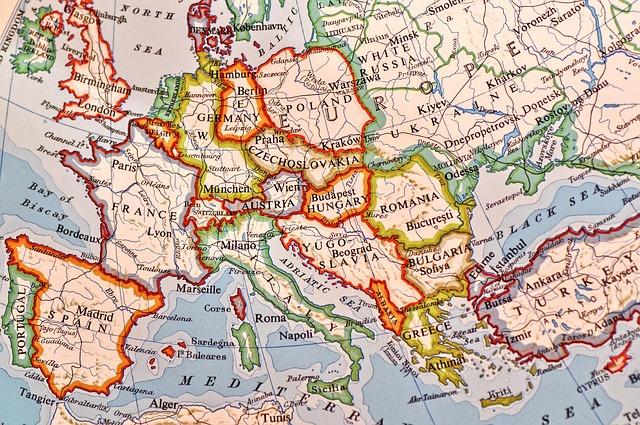
The operator of TurkStream, the major natural gas pipeline linking Russia and Turkey, has officially relocated its headquarters to Hungary, marking a significant shift in the strategic landscape of European energy infrastructure. This move underscores Hungary’s growing role as a regional energy hub amid evolving geopolitical and market dynamics. Stakeholders across the industry are closely monitoring the implications of this relocation for gas supply routes and broader energy security in Europe.
Operator of TurkStream Moves Headquarters to Hungary Signaling Strategic Shift
Gazprom’s pipeline operator for TurkStream has officially moved its headquarters from Russia to Hungary, marking a significant realignment in its operational strategy amid shifting geopolitical landscapes. This transition is viewed by experts as a strategic effort to secure closer ties with European markets and regulatory frameworks, potentially streamlining pipeline management and export activities. The relocation involves not only the administrative hub but also key personnel and assets tasked with overseeing the TurkStream pipeline’s functionality and expansion within the European Union.
The move also underscores Hungary’s growing role as a critical energy transit hub in Central Europe. Analysts point to several strategic advantages in this shift, including:
- Enhanced logistical coordination between TurkStream operations and European energy networks
- Improved access to EU regulatory bodies facilitating smoother compliance processes
- Strengthened political and economic relations between Hungary and Russia through energy cooperation
Below is a brief overview of the operational changes:
| Aspect | Previous Setup (Russia) | New Setup (Hungary) |
|---|---|---|
| Headquarters Location | St. Petersburg | Budapest |
| Regulatory Environment | Non-EU | European Union |
| Market Access | Indirect EU access | Direct Central Europe access |
Implications for European Energy Security and Regional Gas Supply Dynamics
The relocation of TurkStream’s operator to Hungary marks a significant shift in the geopolitical landscape of European energy supply. This move not only underscores Hungary’s growing role as a pivotal energy hub but also reflects the broader realignment of gas transit routes in response to ongoing tensions and diversification efforts. With the operator based in Budapest, Hungary gains enhanced leverage in negotiating supply contracts and infrastructure development, positioning itself as a critical gateway for Russian gas entering Central and Southern Europe.
Several key dynamics are set to influence regional gas flows in the near term:
- Increased security of supply through centralized management and operational control closer to key European markets.
- Potential rerouting of supplies that could bypass traditional transit countries, affecting regional economies and political relations.
- Enhanced integration with existing pipeline networks such as the TurkStream and Balkans routes, improving flexibility and response to demand fluctuations.
| Aspect | Before Relocation | After Relocation |
|---|---|---|
| Operational Headquarters | Russia | Hungary |
| Control over Transit | Limited EU access | Enhanced Central Europe access |
| Regional Influence | Focused East-West corridor | Expanded Central and Southern corridor |
Recommendations for Stakeholders Amid Evolving Geopolitical Energy Landscape
In the wake of TurkStream’s operator relocating to Hungary, stakeholders across the energy sector must adapt to the shifting geopolitical dynamics shaping European energy supply chains. Energy firms are urged to reassess their risk management frameworks by incorporating geopolitical risk indicators and building more resilient supply strategies. Governments should prioritize strengthening cross-border cooperation to ensure stability and transparency in pipeline operations, while also accelerating investments in alternative energy sources to reduce dependencies on singular routes.
Financial institutions and investors should adopt a more cautious approach, emphasizing due diligence and ongoing monitoring of regional developments. The table below outlines key action points recommended for various stakeholders to navigate this evolving landscape effectively:
| Stakeholder | Recommended Actions |
|---|---|
| Energy Operators |
|
| Governments |
|
| Investors |
|
Key Takeaways
As the operator of TurkStream completes its relocation to Hungary, the move marks a significant shift in the strategic management of the vital gas pipeline linking Russia and Europe. This development underscores the evolving dynamics of the region’s energy landscape, with implications for supply security and geopolitical relations. Industry observers will be watching closely to see how this transition influences future operations and regional energy partnerships.