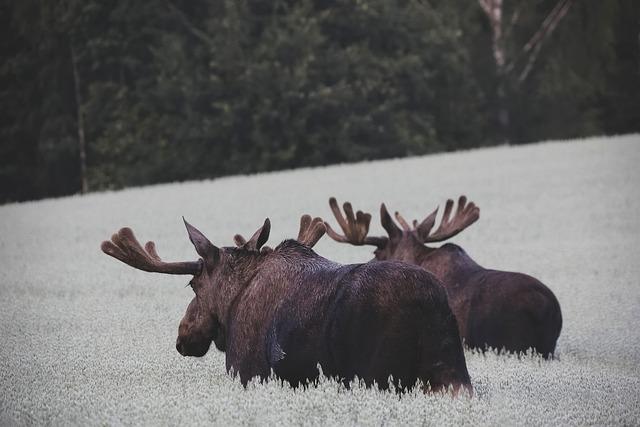
An unexpected wildlife encounter has captured attention in Romania’s Hunedoara County, as local authorities confirmed a rare moose sighting in the region. Traditionally native to northern Europe and parts of Russia, the presence of a moose in this area of Romania has sparked curiosity among residents and experts alike. This unprecedented event raises questions about wildlife migration patterns and environmental changes affecting the region.
Unexpected Moose Sighting in Hunedoara County Breaks Local Wildlife Records
Authorities and wildlife experts in Hunedoara County have confirmed a rare sighting of a moose, an animal seldom found in Romanian fauna. The sighting took place near the Retezat National Park, an area renowned for its diverse wildlife but not previously for moose presence. This discovery challenges previous assumptions about the region’s ecosystem and suggests potential shifts in animal migration patterns influenced by climate changes or expanding habitats. Local environmentalists emphasize the significance of this event, highlighting the need for increased monitoring to protect both the moose and existing wildlife.
Experts have identified several factors that could explain this unprecedented arrival:
- Climate variations: Warmer winters may encourage moose to explore new territories.
- Habitat connectivity: Improved forest corridors could facilitate movement from neighboring countries like Ukraine or Slovakia.
- Conservation efforts: Reduced hunting pressure across Eastern Europe aiding population recovery.
The local administration has already scheduled increased surveillance efforts and public awareness campaigns to ensure safe coexistence. Early reports estimate that the moose might represent an individual or a very small group, an exciting development for researchers studying large mammals in the Carpathians.
| Parameter | Details |
|---|---|
| Species | Moose (Alces alces) |
| Location | Retezat National Park, Hunedoara |
| First Recorded Sighting | March 2024 |
| Estimated Size | Adult male, ~600 kg |
| Monitoring | Ongoing with camera traps & ranger patrols |
Experts Analyze Habitat Conditions Behind Moose Appearance in Romanian Carpathians
Recent studies conducted by environmental experts have shed light on the unusual appearance of moose in Hunedoara county. Specialists attribute this rare event to a combination of changing habitat conditions and ecological factors favorable to the species’ expansion. Key influences include increased forest density, availability of water sources, and a decline in human disturbances, creating an environment suitable for moose survival. Researchers emphasize that these factors form a mosaic of ideal living conditions not commonly found in the Romanian Carpathians until now.
Contributing habitat factors identified:
- Expansion of mixed forest ecosystems with abundant undergrowth
- Significant presence of wetlands and riparian zones
- Reduced hunting pressure following recent wildlife protection policies
- Climate shifts favoring cooler, moist microclimates
| Habitat Factor | Current Status | Impact on Moose |
|---|---|---|
| Forest Coverage | Increased by 12% over past 5 years | Provides shelter and forage |
| Wetland Area | Stable with seasonal expansion | Supports hydration and feeding |
| Human Activity | Decreased due to conservation initiatives | Reduces disturbance and risk |
Authorities Urge Residents to Exercise Caution and Report Further Wildlife Encounters
Local authorities have issued strong reminders for residents to maintain vigilance following the confirmed moose sightings across Hunedoara county. Officials emphasize the importance of staying calm, avoiding sudden movements near the animals, and not attempting to approach or feed them. As moose can be unpredictable, especially during mating season or when with calves, caution is critical to prevent any potential incidents.
Residents are also encouraged to actively report any further encounters using the channels provided below. Accurate and timely information helps wildlife experts monitor the animal’s movements and ensures public safety measures can be promptly implemented. The cooperation of the community remains essential in managing this unexpected natural event.
- Do not engage with the moose directly or try to take photos too close.
- Note the exact location and time of the sighting for accurate documentation.
- Contact local wildlife authorities via emergency numbers or official apps.
- Keep pets secured to avoid provoking any wildlife.
| Contact Method | Details |
|---|---|
| Wildlife Hotline | 0800-123-456 (24/7 response) |
| Local Police | +40 254 000 111 |
| Official Reporting App | Download “Hunedoara Wildlife Watch” |
In Summary
The confirmation of an unexpected moose sighting in Romania’s Hunedoara County adds a surprising chapter to the region’s wildlife narrative. As authorities continue to investigate the circumstances surrounding the appearance of this typically northern species, the event underscores the importance of monitoring and preserving biodiversity in Romania’s natural habitats. Further updates are expected as researchers gather more information on the moose’s origin and potential implications for the local ecosystem.