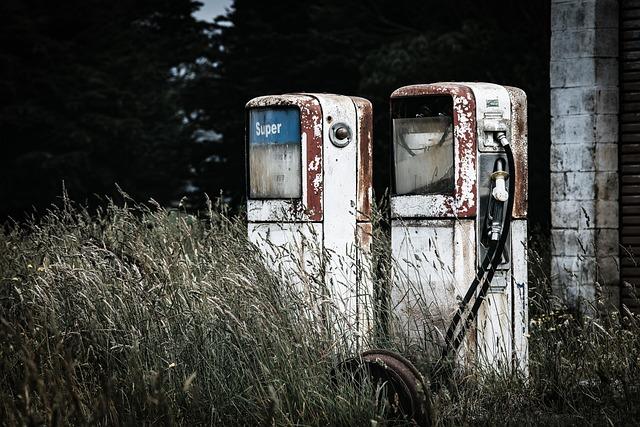
Spain’s Prime Minister Pedro Sánchez has issued a stark warning against proposals to reverse the planned ban on petrol-powered cars, describing such a move as “economic self-harm.” Speaking amid growing debates across Europe over the future of internal combustion engines, Sánchez emphasized that halting the transition to electric vehicles would undermine Spain’s industrial progress and green goals. His comments come as policymakers grapple with balancing environmental commitments and economic competitiveness in the automotive sector.
Spain’s Prime Minister Issues Stark Warning on Rolling Back Petrol Car Ban
Prime Minister Pedro Sánchez has issued a pressing caution against any attempts to delay Spain’s ambitious plan to phase out petrol vehicles by 2040. Emphasizing the economic and environmental risks, Sánchez highlighted that rolling back the ban would not only jeopardize Spain’s commitments to reducing greenhouse gas emissions but also undermine burgeoning investments in the green automotive sector. According to him, maintaining forward momentum is essential to secure the country’s competitiveness in the rapidly evolving global energy landscape.
Experts agree that reversing course could result in:
- Loss of jobs in electric vehicle manufacturing and related industries
- Increased dependency on fossil fuel imports
- Slower innovation in sustainable transport technologies
| Impact Area | Potential Consequence |
|---|---|
| Economic Growth | Decline due to reduced green investments |
| Environmental Goals | Failure to meet EU emission targets |
| Job Market | Loss of green tech employment opportunities |
Economic Consequences of Reversing Green Mobility Policies Explored
Backtracking on green mobility initiatives risks significant economic drawbacks for Spain and the broader European economy. Prime Minister Pedro Sanchez has cautioned that abandoning the petrol car ban would not only stall progress on emissions reduction but also undermine investments in emerging technologies and job creation within the green sector. Analysts warn that reversing these policies could dampen investor confidence, disrupt supply chains, and increase dependence on fossil fuels, thereby inflating costs over the long term.
Key economic impacts of halting the transition include:
- Loss of competitiveness for Spain’s automotive industry in the growing electric vehicle (EV) market
- Potential decrease in foreign direct investment targeting sustainable innovation
- Higher public health costs due to increased air pollution
- Risk of penalties from failing to meet EU climate targets
| Economic Indicator | With Green Mobility Policies | Reversal Scenario |
|---|---|---|
| EV Market Share (2030) | 65% | 30% |
| Carbon Emissions Reduction | -55% | -20% |
| Employment in Green Sector | +120,000 jobs | +30,000 jobs |
| Annual Public Health Costs (€ billion) | 2.1 | 5.6 |
Calls for Strengthening Renewable Energy Investments to Safeguard Economic Growth
In the wake of debates surrounding the reversal of petrol car bans, Spanish Prime Minister Pedro Sanchez emphasized the critical role that sustained investment in renewable energy plays in driving sustainable economic growth. Sanchez argued that abandoning renewable targets would not only undermine Spain’s climate commitments but also threaten the country’s competitive edge in the global green economy. According to the Prime Minister, bolstering renewable infrastructure is key to ensuring long-term job creation, technology leadership, and energy independence.
Experts and industry leaders echo these concerns, highlighting that increased funding for renewables can stabilize energy prices and attract international financing. The economic benefits extend beyond the environmental and include:
- Job creation: Expansion of green energy sectors can create thousands of skilled jobs.
- Innovation incentives: Greater investments spur technological advancements in energy storage and grid management.
- Energy security: Reducing reliance on fossil fuels buffers economies from volatile oil markets.
| Investment Area | Projected Growth | Impact on GDP |
|---|---|---|
| Solar Energy | +15% annually | +0.5% |
| Wind Power | +12% annually | +0.3% |
| Energy Storage | +20% annually | +0.4% |
The Conclusion
As Spain grapples with the future of its automotive industry and environmental commitments, Prime Minister Pedro Sánchez’s warning underscores the broader economic risks tied to delaying the transition away from petrol vehicles. With global markets increasingly favoring sustainable alternatives, reversing the petrol car ban could not only stall progress on climate targets but also jeopardize Spain’s competitiveness in the evolving green economy. The coming months will reveal whether policymakers prioritize short-term interests or embrace the long-term benefits of the clean energy shift.