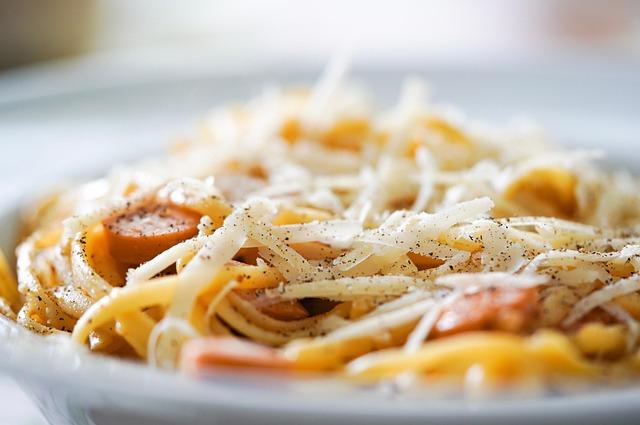
Italy’s rich culinary heritage has achieved a historic milestone as Italian cuisine becomes the world’s first food tradition to be awarded UNESCO Intangible Cultural Heritage status. Recognized for its deep-rooted cultural significance, regional diversity, and emphasis on community and sustainability, this prestigious designation highlights Italy’s profound impact on global food culture. The announcement, made by UNESCO earlier this week, underscores the enduring popularity and influence of Italian food traditions, from artisanal pasta-making to vibrant market customs, solidifying Italy’s place at the forefront of the world’s gastronomic landscape.
Italian Cuisine Recognized by UNESCO as Intangible Cultural Heritage
Italy’s rich culinary tradition has earned global recognition as UNESCO officially inscribes Italian cuisine on its Intangible Cultural Heritage list. This marks a historic first, making Italian cuisine the world’s inaugural food culture to receive this prestigious honor. The designation highlights not only the extraordinary flavors but also the deep-rooted social practices, regional diversity, and time-honored preparation techniques that have shaped Italian cooking for centuries.
The recognition celebrates several unique elements that define Italy’s culinary distinctiveness, including:
- Traditional methods of breadmaking, cheese aging, and pasta crafting
- Community-centered meals fostering family and social bonds
- Seasonal use of fresh local ingredients reflecting Italy’s diverse landscapes
- The transmission of recipes and knowledge across generations
| Region | Signature Dish | UNESCO Highlight |
|---|---|---|
| Tuscany | Bistecca alla Fiorentina | Farm-to-table traditions |
| Emilia-Romagna | Parmigiano-Reggiano | Artisanal cheese aging |
| Sicily | Caponata | Heritage of Mediterranean flavors |
Exploring the Rich Traditions and Regional Diversity Behind Italian Culinary Excellence
Italy’s culinary landscape is a vibrant mosaic shaped by centuries of history, geography, and culture. Each region boasts its own specialties, ingredients, and cooking methods, reflecting local climates and traditions. From the hearty, butter-rich dishes of the north to the olive oil and tomato-infused flavors of the south, Italian food is a testament to the nation’s rich agricultural heritage and artisanal skill. This regional diversity is further enriched by age-old rituals such as the Sunday family pasta-making or the art of preserving seasonal produce, embodying a living connection between food and community.
Below is a snapshot of notable regional culinary highlights, showcasing Italy’s gastronomic variety:
| Region | Signature Dish | Key Ingredients | ||||||||||||
|---|---|---|---|---|---|---|---|---|---|---|---|---|---|---|
| Tuscany | Bistecca alla Fiorentina | Beef, olive oil, rosemary | ||||||||||||
| Campania | Neapolitan Pizza | Tomatoes, mozzarella, basil | ||||||||||||
| Piedmont | Bagna Cauda | Anchovies, garlic, olive oil |
| Region | Signature Dish | Key Ingredients | ||||||||||||
|---|---|---|---|---|---|---|---|---|---|---|---|---|---|---|
| Tuscany | Bistecca alla Fiorentina | Beef, olive oil, rosemary | ||||||||||||
| Campania | Neapolitan Pizza | Tomatoes, mozzarella, basil | ||||||||||||
| Piedmont | Bagna Cauda | How Global Food Enthusiasts Can Experience and Preserve Italy’s Culinary Legacy Global food enthusiasts have a unique opportunity to engage with Italy’s rich culinary heritage beyond just tasting its world-famous dishes. By participating in local cooking classes, visiting family-run vineyards, and exploring regional food markets, travelers can immerse themselves in the authentic processes behind timeless recipes. Embracing sustainable food tourism not only supports small-scale producers but also helps preserve age-old traditions that have been passed down through generations, ensuring this cultural treasure remains vibrant and relevant. For those unable to travel, digital platforms offer dynamic ways to connect with Italy’s culinary legacy. Virtual cooking workshops, live-streamed market tours, and interactive recipe archives create accessible avenues to learn from Italian chefs and artisans directly. Here’s how global food lovers can actively contribute to the preservation of this UNESCO-recognized heritage:
The Way ForwardAs Italian cuisine earns the distinction of becoming the world’s first to be awarded UNESCO Intangible Cultural Heritage status, the recognition not only celebrates the rich traditions and regional diversity of Italy’s culinary arts but also underscores the global importance of preserving food heritage. This landmark acknowledgment highlights how Italian cooking continues to influence and inspire worldwide, reinforcing the deep cultural connections forged through food. As the country basks in this historic honor, the spotlight on Italian cuisine serves as a reminder of the shared human experience found in the art of preparing and enjoying a meal. ADVERTISEMENT  Related Posts |