Cities across the Netherlands are spearheading a transformative shift toward sustainable mobility, setting a global example in urban transportation. As detailed in Forbes’ latest report, Dutch municipalities are pioneering innovative policies and infrastructure projects that prioritize cycling, public transit, and eco-friendly alternatives over car dependency. This “Go Dutch” approach not only reduces carbon emissions but also fosters healthier, more livable communities-highlighting how local leadership can drive meaningful progress in the fight against climate change.
Cities Driving the Shift to Sustainable Mobility With Innovative Infrastructure
From Amsterdam’s extensive network of cycling highways to Rotterdam’s commitment to electrify public transport, Dutch cities have become living laboratories for sustainable urban mobility. Their approach hinges on integrating multimodal transport systems that prioritize accessibility, efficiency, and environmental impact. Key innovations include:
- Smart traffic management: Real-time data to reduce congestion and emissions.
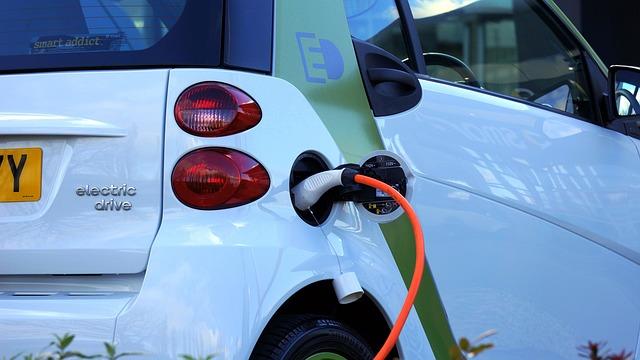
- Electric vehicle (EV) infrastructure: Widespread charging stations and EV-sharing programs.
- Pedestrian-first zones: Transforming historic city centers with car restrictions and green spaces.
Below is an overview of how select Dutch cities rank in their deployment of sustainable mobility features, showcasing the diversity in approaches yet unified focus on reducing carbon footprints:
| City | Bike Lane Network (km) | EV Charging Stations | % Public Transport Electrified |
|---|---|---|---|
| Amsterdam | 850 | 1,200 | 75% |
| Rotterdam | 630 | 900 | 60% |
| Utrecht | 420 | 700 | 85% |
| Groningen | 300 | 350 | 70% |
How Dutch Urban Planning Encourages Cycling and Public Transit Use
In Dutch cities, urban design goes beyond mere functionality; it is a strategic blueprint that places cycling and public transit at the heart of daily mobility. This approach manifests in wide, segregated bike lanes that prioritize safety and convenience for cyclists, often elevated or distinctly colored to separate them from pedestrian paths and vehicle roads. Traffic calming measures, such as speed bumps and narrower car lanes, discourage car dominance in dense urban centers. Public transit hubs are seamlessly integrated with cycling infrastructure, encouraging a fluid transition between modes of transport. These elements combine to create an environment where choosing a bike or tram is often faster, cheaper, and more pleasant than driving.
Key features promoting sustainable urban transit include:
- Extensive network of bike parking facilities at transit stations
- Priority traffic signaling for buses and trams
- Mixed-use developments enabling short-distance commutes
- Low-emission zones encouraging cleaner transport options
| City | Avg. Daily Cyclists | Public Transit Ridership (%) | Car Use Reduction Since 2010 |
|---|---|---|---|
| Amsterdam | 400,000 | 65% | 25% |
| Utrecht | 250,000 | 60% | 20% |
| Rotterdam | 200,000 | 55% | 18% |
Policy Recommendations for Global Cities Inspired by the Dutch Model
Urban policymakers looking to replicate Dutch successes in sustainable mobility should prioritize infrastructure that seamlessly integrates multiple modes of transport. Creating dedicated cycling networks, complete with secure parking and clear signage, encourages residents to choose bicycles for shorter trips, significantly reducing car dependency. Equally, investing in reliable and frequent public transit that connects these cycling hubs can enhance accessibility while minimizing congestion. Importantly, adopting policies that discourage private car use in city centers-such as congestion pricing and limited parking-can further motivate shifts toward greener alternatives.
Another critical recommendation is the establishment of comprehensive data-driven frameworks that monitor mobility patterns and user satisfaction. This enables cities to iterate and adapt strategies effectively. Supporting community involvement throughout the planning process ensures local needs and preferences shape sustainable initiatives, fostering higher adoption rates. Cities should also consider implementing:
- Multi-modal transit apps that provide real-time options combining bike-share, trams, and e-scooters
- Policy incentives for electric vehicle infrastructure to complement non-motorized transport
- Green corridors that prioritize pedestrians and cyclists through urban zoning measures
| Policy Focus | Expected Outcome |
|---|---|
| Expanded Cycle Paths | 40% rise in bike commuters |
| Congestion Charges | 25% drop in city center car trips |
| Integrated Transit Apps | Improved user convenience & ridership |
In Retrospect
As cities across the globe grapple with rising urbanization and environmental challenges, the Dutch model of sustainable mobility offers a compelling blueprint for the future. By prioritizing cycling infrastructure, public transportation, and innovative urban planning, the Netherlands demonstrates how localized leadership can drive meaningful climate action. As other urban centers look to reduce their carbon footprints, the “Go Dutch” approach underscores the critical role cities play in shaping sustainable mobility solutions that are both practical and scalable.