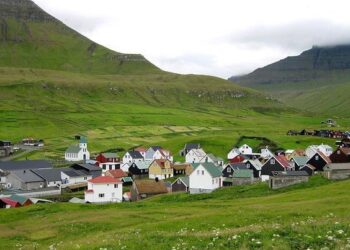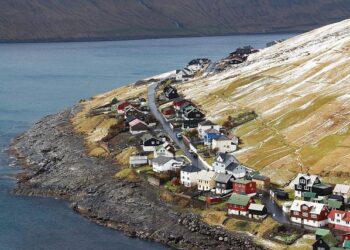
In the remote North Atlantic, the Faroe Islands-a small archipelago better known for its rugged landscapes than its sporting prowess-are rapidly making waves on the global handball stage. Once considered an underdog in the world of international handball, this tiny nation has defied expectations, emerging as a rising powerhouse poised to rewrite the sport’s history books. According to the International Handball Federation (IHF), the Faroe Islands’ astonishing success is no accident but the result of a carefully crafted blueprint focusing on grassroots development, innovative coaching, and a passionate handball culture. As the team gears up for a landmark moment, we delve into the strategy driving this unparalleled ascent and explore how a “handball nation” on the brink of history is inspiring the world.
The Rise of the Faroe Islands Handball Team A Model of Grassroots Development and Community Support
Faroe Islands’ unprecedented surge in international handball prominence is no coincidence but rather a testament to a meticulously crafted system blending grassroots nurturing with unwavering local enthusiasm. From early childhood, handball is embraced not just as a sport but as a cultural heartbeat, ingrained in the fabric of community life. Local clubs function as more than training hubs; they are social pillars where mentorship, teamwork, and passion are cultivated. This holistic approach ensures young talents receive personalized attention, fostering technical skills alongside mental resilience.
Key pillars that underpin this success story reveal a community-driven blueprint that other small nations might aspire to replicate:
- Broad participation: Over 30% of youth actively engage in handball programs.
- Integrated school partnerships: Curriculum includes regular handball training and competitions.
- Volunteer-driven coaching: Experienced players return as mentors, creating a continuous talent pipeline.
- Government and local business sponsorship: Ensuring sustainable funding and quality facilities.
| Year | Key Milestone | Impact | ||
|---|---|---|---|---|
| 2010 | National Youth Academy founded | Standardized youth training across islands | ||
| 2015 | First Faroese club in European competitions | 2015 | First Faroese club in European competitions | Raised international profile and experience |
| 2018 | Launch of School Handball League | Increased youth engagement and talent discovery | ||
| 2021 | Government funding doubled for facilities | Enhanced training environments and resources | ||
| 2023 | National team qualifies for European Championship | Marked arrival on the continental stage |
If you’d like me to help with anything else regarding this content – such as styling improvements, summarization, or converting it into another format – just let me know!
Strategic Coaching and Talent Identification Driving International Competitiveness
The Faroe Islands’ meteoric rise on the international handball stage hinges on an integrated approach to coaching and talent recognition, reshaping a once-overlooked handball community into a global contender. National coaches work closely with local clubs, fostering a culture where technical skills and tactical intelligence are prioritized from the earliest stages of development. This strategic alignment ensures that promising talents are identified through rigorous scouting networks, evaluated not only on physical prowess but also on adaptability, game sense, and mental resilience.
The meticulous approach includes:
- Continuous coach education programs linked to the International Handball Federation’s standards.
- Data-driven talent identification employing performance analytics to spot future stars early.
- Holistic athlete development emphasizing physical, psychological, and social growth.
| Key Focus Areas | Impact on Performance |
|---|---|
| Advanced Tactical Workshops | Enhanced decision-making under pressure |
| Fitness & Conditioning Regimens | Improved endurance and injury prevention |
| Psychological Coaching | Strengthened mental toughness and focus |
Recommendations for Emerging Handball Nations Emulating the Faroese Success Story
To replicate the Faroe Islands’ meteoric rise in handball, emerging nations must prioritize grassroots development and community involvement. The Faroese model demonstrates how cultivating local passion through accessible youth programs and school partnerships transforms raw talent into world-class athletes. Investing in qualified coaches who embrace modern training methodologies is equally critical. This approach fosters a sustainable pipeline of players equipped with the technical skills and mental toughness vital for competing on the international stage.
Strategic resource allocation tailored to the nation’s size and capabilities further distinguishes the Faroese blueprint. Here, focus on targeted international exposure and participation in regional competitions accelerates players’ growth and confidence. Moreover, a culture of unity and national pride galvanizes support, turning small-scale victories into a broader movement. Below is a simplified comparison of key focus areas for emerging nations inspired by the Faroe Islands’ success:
| Core Focus Area | Faroese Strategy | Emerging Nation Application |
|---|---|---|
| Youth Development | Community clubs + school integration | Establish youth leagues + school programs |
| Coaching | Continuous coach education | Invest in coaching courses |
| Competition Exposure | Regional tournaments + friendlies | Participate in regional events |
| National Identity | Strong community support | Build fan engagement initiatives |
Closing Remarks
As the Faroe Islands continue their remarkable ascent on the international handball stage, their story stands as a testament to vision, dedication, and strategic development. From humble beginnings to becoming a recognized “handball nation,” the blueprint outlined by the IHF highlights how investment in grassroots programs, community engagement, and tactical innovation have combined to fuel this unexpected rise. With the world watching, the Faroese are not just chasing historic milestones-they are redefining what is possible for small nations in the global sporting arena.