A recent study conducted by researchers at Åbo Akademi University has revealed significant human impact on the ecosystems of the Åland Archipelago. The findings highlight how centuries of settlement, agriculture, and development have transformed the region’s natural landscapes, affecting biodiversity and ecological balance. This comprehensive research sheds new light on the challenges faced by one of the Baltic Sea’s most unique island environments, emphasizing the urgent need for sustainable management practices to preserve its fragile ecosystems.
Human Activities Drastically Alter Ecosystem Balance in the Åland Archipelago
Recent research conducted by Åbo Akademi University reveals that the unique ecosystems of the Åland Archipelago are under significant pressure from a range of human activities. Intensive agriculture, urban expansion, and increased boating traffic have been identified as primary contributors to habitat degradation and biodiversity loss. These factors disrupt the intricate ecological networks, leading to reduced species diversity and altered nutrient cycles. Researchers emphasize that without immediate mitigation efforts, the fragile balance of these island ecosystems could face irreversible damage.
Key human-induced factors impacting the archipelago:
- Land use change: Conversion of natural habitats into farmland and residential areas.
- Pollution: Nutrient runoff causing eutrophication in coastal waters.
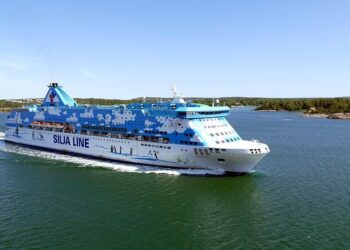
- Marine traffic: Disturbance of marine life and introduction of invasive species.
- Forestry practices: Alterations in forest structure affecting native flora and fauna.
| Activity | Impact | Affected Ecosystem |
|---|---|---|
| Agriculture | Soil erosion & nutrient runoff | Coastal wetlands |
| Urbanization | Habitat fragmentation | Forests & meadows |
| Boating | Marine species disturbance | Archipelago waters |
| Forestry | Loss of biodiversity | Woodlands |
Researchers Detail Consequences for Local Biodiversity and Marine Life
The research team from Åbo Akademi has highlighted significant shifts in the local biodiversity within the Åland Archipelago driven by increased human activity. Coastal development, boating traffic, and fishing pressure have led to habitat fragmentation and a marked decline in sensitive species populations. Notably, the study documents a sharp reduction in native seabird nests and seagrass beds, both critical components for maintaining ecological balance and supporting diverse marine communities. These changes threaten the resilience of coastal ecosystems and underline the urgency for tailored conservation policies.
Findings also reveal alarming alterations in the composition of marine life, as invasive species exploit the disrupted habitats, further endangering indigenous flora and fauna. The researchers emphasize the cascading effects such as reduced fish stocks, which directly impact local fisheries and livelihoods. Key consequences identified include:
- Loss of breeding grounds for several fish and bird species
- Increased water turbidity affecting photosynthesis in aquatic plants
- Displacement of native species by non-native competitors
| Impact Factor | Before Human Impact | Current Status |
|---|---|---|
| Seabird Nesting Sites | 85% | 42% |
| Seagrass Coverage | 90 hectares | 35 hectares |
| Native Fish Diversity | 25 species | 15 species |
Experts Call for Stricter Environmental Protections and Sustainable Practices
Leading environmental scientists behind the recent study emphasize the urgent need for comprehensive reforms aimed at mitigating the escalating human footprint in the Åland Archipelago. They highlight that without strong regulatory frameworks and community-driven sustainable initiatives, local ecosystems face irreversible damage. Key areas of focus include limiting industrial expansion, enhancing marine and terrestrial biodiversity protection, and promoting eco-friendly tourism to balance economic interests with ecosystem resilience.
- Implementation of stricter pollution controls to reduce chemical runoff affecting marine life
- Restoration of natural habitats through targeted reforestation and wetland conservation projects
- Promotion of renewable energy solutions across island communities to decrease carbon emissions
- Enhanced monitoring systems to track environmental changes and enforce compliance
Experts urge policymakers to adopt a holistic approach that combines scientific research with local stakeholder engagement. They suggest that integrating traditional knowledge with modern conservation techniques can bolster community support and ensure sustainable resource management. The study also recommends establishing a dedicated task force to oversee environmental governance, ensuring adaptive and transparent decision-making processes that align with international climate goals.
| Impact Area | Current Status | Recommended Action |
|---|---|---|
| Marine Biodiversity | Declining species abundance | Establish marine protected zones |
| Forests | Fragmented habitats | Reforestation & habitat corridors |
| Water Quality | Elevated nutrient levels | Reduce agricultural runoff |
| Carbon Emissions | Rising energy consumption | Adopt renewables & energy efficiency |
In Conclusion
The findings from Åbo Akademi’s recent study underline the significant influence human activities have on the delicate ecosystems of the Åland Archipelago. As the region faces increasing environmental pressures, these insights provide a crucial foundation for policymakers and local communities to develop more sustainable practices. Continued monitoring and proactive management will be essential to preserving the archipelago’s unique natural heritage for future generations.