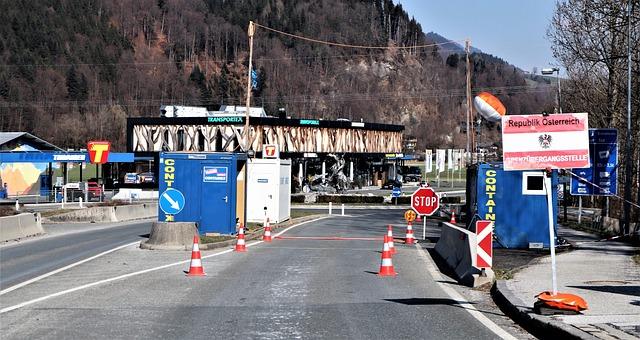
Two key border crossings between Ukraine and Moldova have been closed following a recent Russian missile strike on the Odesa Oblast, Ukrainian officials confirmed. The closures come amid escalating tensions in the region, disrupting cross-border movement and raising concerns over the security of critical infrastructure. This latest attack underscores the ongoing volatility along Ukraine’s southwestern frontier, impacting both trade and civilian transit. Authorities continue to assess the situation as efforts to restore safe passage are underway.
Closure of Two Border Crossings with Moldova Following Russian Attack on Odesa Oblast
Following a recent Russian missile strike on the Odesa Oblast, Ukrainian authorities have taken immediate security measures by suspending operations at two critical border crossings with Moldova. The closures aim to ensure the safety of civilians and border personnel amidst heightened military tensions in the region. Both checkpoints, vital for cross-border trade and travel, will remain inaccessible until further notice while security assessments are conducted.
Key details of the closures include:
- Temporary suspension of customs and immigration services at the *Palanca* and *Mayaky* crossings.
- Increased military presence around the border zones to monitor and prevent potential escalations.
- Advisory issued to travelers to seek alternative routes through neighboring crossings until the situation stabilizes.
| Border Crossing | Status | Expected Reopening |
|---|---|---|
| Palanca | Closed | TBD |
| Mayaky | Closed | TBD |
Impact on Cross-Border Trade and Regional Security Amid Rising Tensions
Following the recent Russian strike on Odesa Oblast, the abrupt closure of two critical border crossings with Moldova has significantly disrupted regional trade flows. These crossings previously served as vital conduits for goods ranging from agricultural exports to energy supplies, linking Ukraine and the wider European market. With their sudden shutdown, supply chains now face considerable delays, raising costs and creating uncertainty for exporters and importers alike. Local businesses, especially small and medium enterprises, are bearing the brunt of these interruptions, while customs infrastructure on alternative routes is struggling to accommodate diverted traffic, further aggravating logistical bottlenecks.
The ripple effects extend beyond commerce, posing increasing challenges to regional security dynamics. The closures have complicated coordination efforts between Moldovan and Ukrainian authorities tasked with border management and countering smuggling activities. Heightened militarization around these points has also fueled unease among border communities, raising concerns over potential escalations. Key security implications include:
- Increased risk of unregulated crossings: With official points closed, unauthorized border activity may surge, undermining law enforcement.
- Strained bilateral cooperation: Communication channels between Moldova and Ukraine face pressure amidst the crisis, hampering joint response strategies.
- Impact on regional stability: The border closures contribute to wider geopolitical frictions, complicating diplomatic efforts in Eastern Europe.
| Impact Area | Short-Term Effect | Long-Term Risk |
|---|---|---|
| Trade Volume | Drop by 40% due to rerouting | Potential permanent loss of market share |
| Security Operations | Increased patrols and checks | Escalation of border incidents |
| Community Stability | Heightened local tensions | Prolonged displacement risk |
Recommendations for Strengthening Border Infrastructure and Emergency Response Protocols
To mitigate the impact of future attacks on critical transit points, it is imperative to bolster the physical resilience of border infrastructure. This includes reinforcing checkpoints with blast-resistant materials, installing advanced surveillance systems, and ensuring redundant communication networks are in place. Enhanced infrastructure not only aids in rapid damage assessment but also maintains operational continuity during crisis situations, allowing for swift humanitarian and commercial transit despite the surrounding hostilities.
Equally vital is the establishment of comprehensive emergency response protocols tailored to border security scenarios. Authorities should implement:
- Real-time coordination mechanisms between military, border guards, and local emergency services
- Regular joint emergency drills simulating missile strikes and mass evacuations
- A clear chain of command and automated alert systems to expedite information dissemination
- Dedicated safe zones and rapid response medical units positioned strategically near crossings
Ensuring these measures are in place will significantly reduce response times and enhance the safety of personnel and civilians alike during volatile cross-border incidents.
| Measure | Key Benefit | Implementation Priority |
|---|---|---|
| Blast-resistant Checkpoints | Structural integrity under attack | High |
| Advanced Surveillance | Early threat detection | Medium |
| Joint Emergency Drills | Operational readiness | High |
| Automated Alert Systems | Faster communication | High |
In Summary
The closure of two key border crossings with Moldova following the Russian strike on Odesa Oblast marks a significant disruption in regional transit and security. Authorities continue to monitor the situation closely as efforts to restore safe passage and assess the full impact of the attack remain underway. Updates will be provided as more information becomes available.