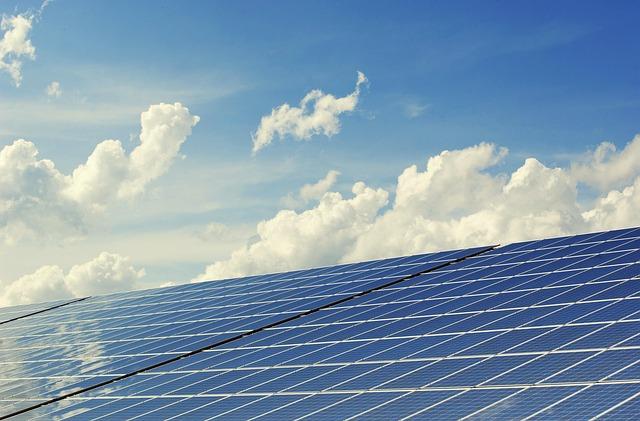
As the global energy landscape shifts rapidly toward renewables, Greece’s long-standing coal-mining regions face an uncertain future. Once the backbone of local economies and employment, these areas now grapple with the decline of coal amid the nation’s ambitious push for solar power and cleaner energy sources. This transition offers promise for a sustainable future but presents significant social and economic challenges for communities deeply intertwined with mining. Canary Media explores how Greece’s mining regions are striving to navigate this complex transformation, balancing environmental goals with the urgent need for economic resilience.
Greece’s Coal Communities Face Economic Uncertainty Amid Energy Transition
In northern Greece, the shift away from coal-fired power has left many mining communities grappling with the loss of their primary economic driver. Once buoyed by steady employment and local investment, these towns now face rising unemployment rates and uncertain futures. The region’s infrastructure and workforce, long tailored to coal extraction and energy production, are struggling to adapt to the rapid expansion of renewable energy sources such as solar and wind. Despite the government’s commitment to green energy, the transition has exposed gaps in social support and economic diversification strategies, leaving residents in limbo.
Several communities are exploring alternative avenues to sustain their economies, with efforts focusing on:
Reskilling programs tailored to renewable energy technologies
Development of local entrepreneurship and small businesses
Investment in tourism initiatives that highlight regional cultural and natural assets
However, the road ahead remains challenging. Funding shortages and bureaucratic hurdles impede swift adaptation, and the gap between the pace of energy transition and community development grows wider. Without targeted interventions, many fear that these mining towns may continue to face declining populations and economic stagnation.
Indicator
2015
2023
Change
Coal Industry Employment
12,000
4,500
-62.5%
Renewable Energy Jobs
500
3,200
+540%
Local Unemployment Rate
8.2%
14.7%
+6.5 pts
Challenges and Opportunities for Workforce Retraining in Mining Regions
The transition from coal mining to renewable energy in Greece’s former mining heartlands poses complex challenges for the local workforce. Many of the region’s workers face a skills mismatch, as expertise honed in extraction and heavy machinery doesn’t easily translate to photovoltaics or wind energy sectors. Moreover, the economic uncertainty has led to decreased motivation for retraining programs, with some fearing relocation or long-term unemployment.
Yet, there are emerging opportunities if retraining efforts are designed with inclusivity and regional specifics in mind. Key success factors include:
Targeted vocational programs focused on solar panel installation and maintenance
Partnerships between energy companies, local governments, and educational institutions
Flexible training schedules to accommodate workers’ current commitments
Financial incentives and clear career pathways in the renewable sector
A recent comparative study underscores the potential for growth:
Sector
Current Workforce
Estimated Jobs by 2030
Coal Mining
5,200
1,200
Solar Energy
800
4,500
Wind Energy
The transition from coal mining to renewable energy in Greece’s former mining heartlands poses complex challenges for the local workforce. Many of the region’s workers face a skills mismatch, as expertise honed in extraction and heavy machinery doesn’t easily translate to photovoltaics or wind energy sectors. Moreover, the economic uncertainty has led to decreased motivation for retraining programs, with some fearing relocation or long-term unemployment.
Yet, there are emerging opportunities if retraining efforts are designed with inclusivity and regional specifics in mind. Key success factors include:
Targeted vocational programs focused on solar panel installation and maintenance
Partnerships between energy companies, local governments, and educational institutions
Flexible training schedules to accommodate workers’ current commitments
Financial incentives and clear career pathways in the renewable sector
A recent comparative study underscores the potential for growth:
Sector
Current Workforce
Estimated Jobs by 2030
Coal Mining
5,200
1,200
Solar Energy
800
Policy Recommendations to Foster Sustainable Development in Greece’s Solar Expansion Areas
To ensure that Greece’s transition to solar energy benefits former coal-mining regions, tailored policy frameworks must prioritize inclusive economic diversification and community engagement. Incentivizing local entrepreneurship in clean energy services, such as solar panel installation and maintenance, can catalyze job creation while preserving indigenous knowledge of the land. Furthermore, supporting vocational training programs aligned with the renewable sector will equip displaced miners with skills essential for the evolving job market, minimizing social upheaval. Amplifying government subsidies and streamlined permitting processes will accelerate sustainable projects but must go hand-in-hand with robust environmental safeguards to protect these vulnerable ecosystems.
Key stakeholders should also establish multi-level governance models that foster cooperation between municipalities, energy companies, and civil society. These collaborations can oversee equitable revenue redistribution and transparent decision-making, which are critical to securing public trust. Policies should further mandate comprehensive impact assessments, ensuring solar developments contribute not only to carbon reduction goals but to the socio-economic revitalization of the region. The proposed measures include:
Community benefit funds directly reinvesting portions of solar project profits into local infrastructure and social services.
Land-use planning frameworks that balance large-scale solar installations with agricultural preservation and landscape aesthetics.
Partnership incentives encouraging joint ventures between renewable companies and former mining cooperatives.
Policy Measure
Expected Outcome
Timeline
Vocational retraining programs
Skilled workforce for renewables
1-3 years
Community benefit funds
To ensure that Greece’s transition to solar energy benefits former coal-mining regions, tailored policy frameworks must prioritize inclusive economic diversification and community engagement. Incentivizing local entrepreneurship in clean energy services, such as solar panel installation and maintenance, can catalyze job creation while preserving indigenous knowledge of the land. Furthermore, supporting vocational training programs aligned with the renewable sector will equip displaced miners with skills essential for the evolving job market, minimizing social upheaval. Amplifying government subsidies and streamlined permitting processes will accelerate sustainable projects but must go hand-in-hand with robust environmental safeguards to protect these vulnerable ecosystems.
Key stakeholders should also establish multi-level governance models that foster cooperation between municipalities, energy companies, and civil society. These collaborations can oversee equitable revenue redistribution and transparent decision-making, which are critical to securing public trust. Policies should further mandate comprehensive impact assessments, ensuring solar developments contribute not only to carbon reduction goals but to the socio-economic revitalization of the region. The proposed measures include:
Community benefit funds directly reinvesting portions of solar project profits into local infrastructure and social services.
Land-use planning frameworks that balance large-scale solar installations with agricultural preservation and landscape aesthetics.
Partnership incentives encouraging joint ventures between renewable companies and former mining cooperatives.
Policy Measure
Expected Outcome
Timeline
Vocational retraining programs
Skilled workforce for renewables
Final Thoughts
As Greece navigates the transition from coal to renewable energy, its longstanding mining regions face significant challenges in redefining their economic identities. While the country’s ambitious solar expansion signals a promising shift toward sustainability, communities reliant on coal extraction must confront job losses and economic uncertainty. The future of these regions will depend largely on effective policies, investment in new industries, and support for workers during this critical period of adjustment. As the energy landscape evolves, the story of Greece’s mining areas underscores the broader complexities of balancing environmental progress with regional economic resilience.