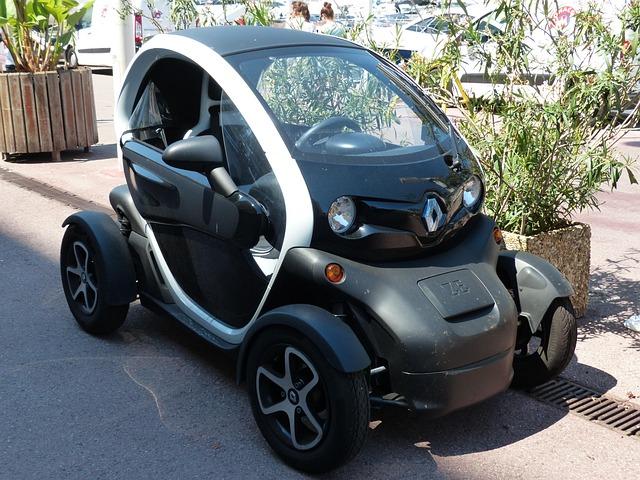
Norway has reached a landmark moment in the global transition to electric mobility, with battery electric vehicles (BEVs) now capturing an unprecedented 98.4% market share of new car sales. According to recent data reported by CleanTechnica, the country’s BEV fleet has officially surpassed diesel vehicles for the first time, underscoring Norway’s position as a global leader in electrification. This milestone not only highlights the effectiveness of Norway’s comprehensive electric vehicle policies but also signals a significant shift in consumer preferences away from traditional fossil fuels.
EVs Dominate Norwegian Market as Battery Electric Vehicles Surpass Diesel Fleet
Electric vehicles (EVs) have solidified their position as the leading choice in Norway’s automotive sector, with battery electric vehicles (BEVs) now accounting for an overwhelming 98.4% of new car sales. This remarkable surge reflects a nationwide shift driven by government incentives, expanding charging infrastructure, and increasing consumer demand for sustainable transportation. Meanwhile, traditional combustion engines face a steep decline, with the diesel vehicle segment now surpassed by the growing BEV fleet – a historic milestone showcasing Norway’s commitment to carbon neutrality.
The rapid transformation is underpinned by several key factors:
- Generous purchase subsidies and tax exemptions for EV buyers
- A broad network of fast chargers making long-distance travel feasible
- Stringent emissions regulations encouraging fleet electrification
- Growing variety of EV models appealing to different market segments
| Vehicle Type | Market Share 2024 | YoY Change |
|---|---|---|
| Battery Electric Vehicles (BEVs) | 98.4% | +15% |
| Diesel Vehicles | 1.2% | -18% |
| Petrol Vehicles | 0.4% | -10% |
Analyzing the Impact of EV Adoption on Norway’s Energy and Transportation Sectors
Norway’s aggressive push toward electrification has fundamentally transformed its energy and transportation landscape. Battery Electric Vehicles (BEVs) now hold a staggering 98.4% market share in new car sales, marking a historic shift where the BEV fleet has officially surpassed diesel-powered vehicles. This remarkable milestone reflects not only the country’s robust policy incentives but also the growing infrastructure to support widespread EV use, including expanded charging stations and grid enhancements tailored to handle increased demand. The transition has led to tangible environmental benefits, such as significant reductions in greenhouse gas emissions and urban air pollution, positioning Norway as a global leader in sustainable mobility.
The ripple effects of EV adoption extend beyond roadways into the national energy grid and manufacturing sectors. The surge in electricity demand during peak charging times has encouraged innovative approaches to grid management, such as smart charging and vehicle-to-grid technologies. Additionally, the integration of renewable energy sources-primarily hydropower-has been pivotal in ensuring that increased electricity consumption remains clean. The table below highlights key metrics showcasing the impact on energy consumption and transportation trends over recent years:
| Metric | 2018 | 2023 |
|---|---|---|
| BEV Market Share (%) | 31.2 | 98.4 |
| Total EV Fleet (Thousands) | 250 | 850 |
| Diesel Fleet Share (%) | 44.1 | 18.0 |
| Renewable Electricity Usage (%) | 98.0 | 99.3 |
- Policy-driven incentives: Tax exemptions, toll waivers, and free parking continue to accelerate EV adoption.
- Grid modernization efforts: Investments in smart grids and charging infrastructure support seamless integration.
- Environmental impact: Noticeable drop in urban pollution levels correlating with EV proliferation.
Policy Recommendations to Sustain Norway’s Leadership in Electric Mobility
To maintain its trailblazing position in electric mobility, Norway must continue refining policies that incentivize EV adoption while addressing emerging market challenges. Expanding subsidies for charging infrastructure, especially in rural areas, will ensure convenient access and reduce range anxiety for all users. Additionally, implementing dynamic pricing models for electricity can encourage off-peak charging, balancing grid demand and fostering sustainable energy use. Strengthening regulations to phase out fossil fuel vehicles by an accelerated timeline will also send clear signals to manufacturers and consumers alike, reinforcing Norway’s commitment to a zero-emissions future.
Equally vital is a focus on equitable access and innovation. Supporting affordability through targeted tax reliefs for low-income groups will broaden the EV market, preventing socio-economic disparities. Furthermore, investing in research consortia between public and private sectors can accelerate advancements in battery technology and second-life applications, maximizing environmental benefits. The table below outlines key policy focus areas and their potential impact on sustaining Norway’s electric vehicle dominance:
| Policy Focus | Objective | Expected Impact |
|---|---|---|
| Charging Infrastructure Expansion | Increase accessibility nationwide | Higher EV adoption outside urban centers |
| Dynamic Electricity Pricing | Promote off-peak charging | Grid stability and renewable integration |
| Equity-based Tax Incentives | Make EVs affordable for all | Wider market participation |
| Accelerated Fossil Phase-out | Clear transition roadmap | Market certainty and emission cuts |
| Innovation Funding | Support battery and reuse tech | Long-term sustainability gains |
Future Outlook
Norway’s electric vehicle revolution continues to accelerate, with battery electric vehicles (BEVs) now commanding an unprecedented 98.4% share of new car sales and surpassing diesel in the overall fleet. This milestone underscores the country’s steadfast commitment to sustainability and sets a powerful example for the global automotive industry. As Norway charts a clear path toward a zero-emission future, the momentum behind EV adoption is poised to reshape transportation markets worldwide.