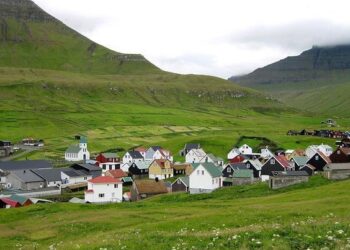
Russia has issued a stern warning to the Faroe Islands, signaling potential retaliation in response to recent sanctions imposed over allegations involving Russian spy ships. The escalating diplomatic tension marks a significant development in the ongoing geopolitical friction between Moscow and Western-aligned territories. This move comes amid broader scrutiny of Russia’s maritime activities and raises concerns about the security dynamics in the North Atlantic region.
Russia Issues Warning to Faroe Islands Over Sanctions Linked to Spy Ship Allegations
In a rare diplomatic escalation, Moscow has issued a stern warning to the Faroe Islands following their decision to impose sanctions linked to allegations of espionage involving Russian vessels. Russian officials have described the sanctions as an “unjustified provocation,” signaling potential economic and political consequences should the measures not be reconsidered. The Faroe Islands, part of the Kingdom of Denmark, have been scrutinized for their strategic geopolitical position in the North Atlantic, amplifying the tensions between the two parties.
Key aspects of the dispute include:
- The imposition of targeted sanctions on maritime assets suspected of espionage activities.
- Russia’s threat of retaliatory measures, which could encompass trade restrictions and increased surveillance.
- The broader implications for Arctic security and alliances in the region.
| Issue | Faroe Islands’ Position | Russia’s Response |
|---|---|---|
| Sanctions Enforcement | Supportive of sanctions as a protective measure | Labels them as hostile and provocative |
| Alleged Spy Ships | Claims based on intelligence assessments | Denies all espionage allegations |
| Diplomatic Dialogue | Open to negotiations under international law | Demands immediate lifting of sanctions |
Implications of Russia’s Retaliation Threat on Faroe Islands’ Security and Economy
The recent threat of retaliation from Russia amid the Faroe Islands’ participation in sanctioning measures over alleged spy ships presents a complex challenge to the region’s security apparatus. Given the Faroes’ strategic location within the North Atlantic, the potential escalation risks disrupting the delicate balance of maritime patrols and monitoring activities critical to regional safety. Increased Russian naval activity, including intelligence-gathering missions near Faroese waters, could lead to heightened tensions and necessitate bolstered surveillance and defense readiness by local authorities and allied support forces.
Economically, the Faroe Islands face uncertainties as the threat of Russian countermeasures could affect their vital fishing industry and trade routes. Sanctions-related disruptions may lead to retaliatory restrictions on Faroese exports, potentially triggering supply chain challenges. The table below outlines some possible areas at risk and their projected impact:
| Sector | Risk Level | Potential Impact |
|---|---|---|
| Fishing Industry | High | Restricted access to Russian markets, increased shipping delays |
| Maritime Trade | Medium | Potential retaliatory tariffs, rerouting costs |
| Tourism | Low | Possible decline due to geopolitical instability |
Strategic stakeholders in the Faroe Islands are thus urged to prepare for a multifaceted response that strengthens both security protocols and economic resilience. This may include enhanced cooperation with NATO allies and diversification of export markets to mitigate Russian retaliation effects.
Recommendations for Faroe Islands to Navigate Diplomatic Tensions and Mitigate Risks
In light of escalating diplomatic pressures, the Faroe Islands should prioritize engaging in multilateral dialogue through Nordic and European platforms to reinforce their position and minimize isolation. Strengthening partnerships with allies and transparency about maritime activities will be crucial to dispel misinformation regarding alleged spy ship involvement. Additionally, establishing a specialized task force to monitor and assess intelligence threats can provide timely responses while fostering trust among regional partners.
Risk mitigation strategies should include:
- Enhanced communication channels with both regional governments and Russia to prevent misunderstandings and reduce the risk of accidental escalation.
- Investment in maritime surveillance technologies to ensure compliance with international norms and reinforce Faroe Islands’ sovereignty claims.
- Public diplomacy campaigns emphasizing peaceful intentions and commitment to international law.
| Strategy | Objective | Expected Outcome |
|---|---|---|
| Multilateral Dialogue | Strengthen alliances | Reduced diplomatic isolation |
| Maritime Surveillance | Monitor threats | Enhanced security and transparency |
| Public Diplomacy | Shape perceptions | Improved international image |
| Communication Channels | Prevent conflict | De-escalation of tensions |
Key Takeaways
As tensions continue to mount between Russia and the Faroe Islands, the warning of potential retaliation underscores the deepening rift over sanctions connected to alleged Russian spy ships in the region. The developments highlight the broader geopolitical stakes at play in the North Atlantic, where diplomatic relations remain fraught and closely watched by the international community. Observers will be monitoring how both sides navigate this latest escalation amid ongoing concerns over security and sovereignty.