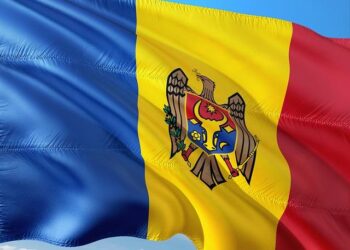
Moldovan President Maia Sandu has sharply condemned Russia’s recent actions undermining peace negotiations aimed at resolving the conflict in Ukraine. Speaking out against what she described as deliberate sabotage, Sandu emphasized the urgent need for renewed diplomatic efforts to end the violence and restore stability in the region. Her statements, reported by Букви, highlight Moldova’s growing role as an advocate for peace amid the ongoing crisis in Eastern Europe.
Moldova’s Maia Sandu Accuses Russia of Undermining Ukraine Peace Efforts
Moldovan President Maia Sandu has openly criticized Russia for its ongoing actions that are hindering the prospects of peace between Ukraine and Russia. She emphasized that Moscow’s tactics are deliberately designed to stall negotiations and escalate tensions in the region. According to Sandu, these maneuvers not only destabilize Ukraine but also threaten the security of Eastern Europe as a whole, placing smaller neighboring countries like Moldova in a vulnerable position.
In her statement, Sandu outlined the key factors contributing to the breakdown of peace efforts:
- Continued military provocations by Russian forces near conflict zones
- Disinformation campaigns aimed at polarizing public opinion
- Obstruction of diplomatic channels and peace dialogue frameworks
Below is a brief overview of recent developments impacting the peace process:
| Date | Event | Impact |
|---|---|---|
| April 2024 | Ceasefire violation near Donetsk | Increased tensions, halted talks |
| May 2024 | Mediated peace proposal rejected | Diplomatic impasse |
| June 2024 | New Russian disinformation wave | Public trust erosion |
Analyzing the Impact of Sabotaged Talks on Regional Stability and Security
Russia’s deliberate interference in the Ukraine peace negotiations threatens to destabilize the entire Eastern European region. By sabotaging dialogue efforts, Moscow risks escalating military tensions and undermining diplomatic channels that have been painstakingly established. This move fuels uncertainty among neighboring countries, compounding fears of a wider conflict spillover and triggering increased militarization at borders. The sabotage not only stalls progress but sends a clear message that peace initiatives will be met with obstruction, challenging the international community’s push for a sustainable resolution.
The repercussions extend beyond immediate conflict zones, affecting economic stability and security policies across the region. Countries dependent on trade and energy routes through Ukraine face increased vulnerability to supply disruptions and political volatility. Below is an overview of the key impacts observed following these obstructive actions:
| Impact Area | Description | Regional Consequence |
|---|---|---|
| Security Deterioration | Increased border militarization | Heightened risk of armed conflict |
| Diplomatic Breakdown | Loss of trust among negotiating parties | Stalling of peace efforts |
| Economic Instability | Disrupted trade and energy supplies | Broader regional market shocks |
| Humanitarian Concerns | Increased displacement and crises | Pressure on neighboring countries |
- Enhanced military alertness: Border states are revising defense postures.
- Strained alliances: Cooperation between regional powers faces critical tests.
- Uncertain peace prospects: The breaking of talks diminishes hope for near-term resolution.
Strategic Recommendations for Strengthening Diplomatic Initiatives in Eastern Europe
To counterbalance escalating tensions and undermine external interference, it is essential to foster robust multilateral diplomacy that brings together regional stakeholders and global powers. Emphasizing transparency and sustained dialogue can help preempt future escalations while reinforcing trust among Eastern European nations. Key strategies include:
- Establishing dedicated communication channels focused on conflict de-escalation and humanitarian cooperation.
- Enhancing support for democratic institutions vulnerable to external pressure.
- Coordinating joint initiatives aimed at economic stabilization and resilience against hybrid threats.
Furthermore, strategic investment in intelligence-sharing frameworks and conflict mediation training can empower diplomatic corps to respond swiftly to emerging provocations. Integrating technological tools for real-time analytics will equip negotiators with actionable insights, ensuring peace talks are grounded in factual understanding. The table below outlines priority focus areas alongside pragmatic actions:
| Focus Area | Proposed Action | Expected Outcome |
|---|---|---|
| Diplomatic Engagement | Regular regional summits with Eastern European leaders | Improved bilateral trust and unified approaches |
| Information Security | Implement advanced cyberdefense protocols | Reduced vulnerabilities to misinformation campaigns |
| Economic Support | Joint infrastructure and energy projects | Economic interdependence fostering peace incentives |
To Conclude
As tensions continue to mount in Eastern Europe, Moldova’s President Maia Sandu’s firm condemnation of Russia’s interference underscores the deepening challenges to achieving peace in Ukraine. Her remarks spotlight the critical need for renewed diplomatic efforts and international support to overcome obstacles posed by external sabotage. The evolving situation remains a focal point for regional stability, with the world watching closely how these dynamics will shape the path toward resolution.