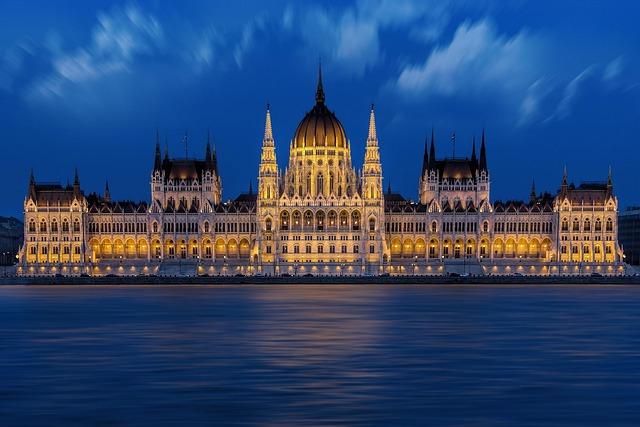
The Albanian parliament was plunged into chaos this week as heated debates erupted over fresh corruption allegations targeting the Deputy Prime Minister. According to Reuters, the accusations have intensified political tensions in the country, with opposition parties demanding urgent investigations and accountability measures. The controversy marks a significant challenge for the ruling government amid ongoing concerns about transparency and governance in Albania.
Albanian Parliament in Turmoil as Deputy PM Faces Serious Corruption Accusations
The recent corruption allegations against Albania’s Deputy Prime Minister have sparked unprecedented unrest within the parliamentary chambers, raising questions about the government’s stability and transparency. During heated sessions, opposition members vocally condemned the accused, demanding an immediate independent investigation, while ruling party members defended the Deputy PM, calling for due process and caution against politically motivated attacks.
Key developments include:
- Submission of formal requests by opposition parties for a parliamentary inquiry committee
- Public demonstrations mounting in Tirana with citizens calling for accountability
- The Prosecutor’s Office launching an investigation into alleged misuse of public funds
- Calls from EU officials urging calm and adherence to democratic procedures
| Actor | Position | Stance |
|---|---|---|
| Deputy PM | Accused Official | Denies all allegations, vows transparency |
| Opposition Leader | Parliamentary Speaker | Demands resignation and full disclosure |
| Prosecutor’s Office | Judicial Authority | Conducting ongoing criminal inquiry |
| EU Delegation | International Observer | Calls for due process and political calm |
Opposition Demands Full Transparency and Immediate Investigation into Alleged Misconduct
The opposition parties in the Albanian parliament have escalated their calls for full disclosure concerning the recent corruption allegations aimed at the Deputy Prime Minister. Accusing the ruling coalition of attempting to downplay the severity of the claims, opposition leaders demand a swift and thorough independent investigation. Key opposition figures emphasized the urgency of restoring public trust through transparency and accountability, warning that any delays could deepen the political crisis and damage democratic institutions.
During a heated parliamentary session, opposition spokespeople outlined the requirements they believe should guide the inquiry process:
- Immediate appointment of an independent commission with international oversight
- Public access to all investigation findings and testimonies
- Protection measures for whistleblowers and witnesses involved
- Strict deadlines for each phase of the investigation to ensure timely conclusions
| Demand | Rationale |
|---|---|
| Independent Commission | Eliminate bias, ensure credibility |
| Public Reporting | Maintain transparency and public trust |
| Witness Protection | Safeguard integrity of testimony |
| Strict Timelines | Avoid prolonged political uncertainty |
Experts Call for Strengthening Anti-Corruption Measures to Restore Public Trust in Government
In the wake of the heated parliamentary debates fueled by the recent allegations against the deputy prime minister, experts across legal and political spheres are urging for a comprehensive overhaul of anti-corruption frameworks. They argue that without rigorous enforcement and transparent measures, public confidence in governmental institutions will continue to erode, undermining democratic stability and economic progress. Key recommendations include:
- Independent oversight bodies with the authority to investigate and prosecute corrupt practices swiftly.
- Mandatory transparency protocols for all public officials’ financial disclosures and decision-making processes.
- Enhanced whistleblower protections to encourage reporting of unethical behavior without fear of retaliation.
- Regular public audits and accessible government data to foster community engagement and vigilance.
Experts emphasize that strengthening anti-corruption measures is not only about punitive action but also about cultivating a culture of integrity within public offices. A recent survey highlights how public perception has plummeted in relation to trustworthiness and accountability among officials, a critical issue that must be addressed through both legislative reform and civic education. Below is a summary table illustrating key public trust indicators before and after the recent corruption allegations:
| Indicator | Pre-Allegations (%) | Post-Allegations (%) |
|---|---|---|
| Trust in Gov. Transparency | 58 | 32 |
| Confidence in Anti-Corruption Efforts | 64 | 29 |
| Willingness to Report Corruption | 47 | 25 |
Closing Remarks
As the investigation into the corruption allegations against the Deputy Prime Minister unfolds, the Albanian parliament remains deeply divided, reflecting the wider political tensions gripping the country. With public trust at stake and calls for transparency growing louder, all eyes will be on how the government addresses these serious charges in the coming weeks. Reuters will continue to monitor developments closely and provide updates on this evolving story.