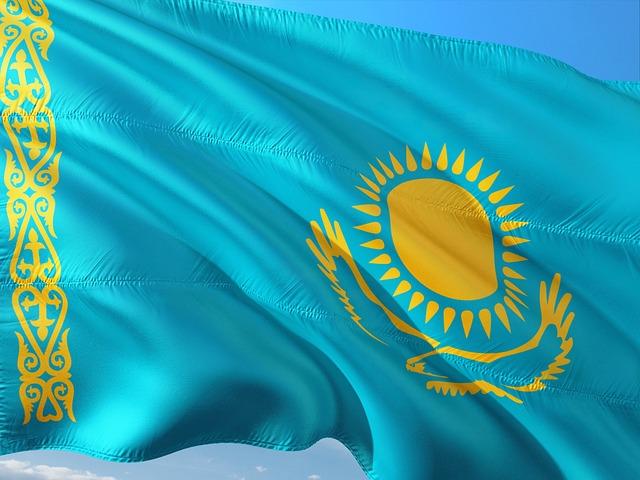
Kazakhstan plans to redirect a portion of its Kashagan oil exports to China following disruptions caused by the conflict in Ukraine, Reuters reports. The move underscores the Central Asian nation’s strategic response to shifting geopolitical dynamics and energy market pressures resulting from the ongoing war in Eastern Europe. As global oil supply routes face uncertainty, Kazakhstan is adjusting its export channels to maintain stability and meet growing demand in the Chinese market.
Kazakhstan Shifts Kashagan Oil Export Route to China Amid Ukraine Conflict Disruptions
Kazakhstan’s energy sector is undergoing a strategic shift as the nation redirects a portion of its valuable Kashagan oil exports towards the Chinese market. This move comes in response to logistical challenges stemming from disruptions linked to the ongoing conflict in Ukraine, which has hampered traditional export routes via Europe and the Black Sea. By leveraging existing pipeline infrastructure and enhancing ties with Beijing, Kazakhstan aims to secure a more stable outlet for its crude exports while diversifying its energy partnerships amid geopolitical uncertainty.
The redirected exports will not only mitigate the impact of supply chain interruptions but also reinforce Kazakhstan’s position as a key oil supplier in the Asian market. Industry analysts highlight several implications of this strategic pivot:
- Increased use of the Kazakhstan-China oil pipeline, reducing dependency on European transit corridors.
- Potential price adjustments, reflecting changes in demand dynamics across regions.
- Enhanced cooperation agreements between Kazakh and Chinese energy firms.
| Key Metric | Pre-Shift | Post-Shift |
|---|---|---|
| Kashagan Oil Exports (Barrels/Day) | 400,000 | 380,000 |
| Exports to Europe (%) | 70% | 50% |
| Exports to China (%) | 15% | 35% |
Implications for Global Energy Markets and Regional Geopolitical Dynamics
The decision by Kazakhstan to redirect a portion of its Kashagan oil output towards China marks a significant shift in global energy supply chains, with far-reaching consequences for both markets and regional power balances. This move comes at a time when the Ukraine conflict has disrupted traditional European energy flows, prompting Kazakhstan to exploit emerging opportunities in Asian markets. The realignment not only strengthens China’s energy security but also signals a subtle reorientation of Central Asia’s export strategy, which could reduce Europe’s leverage over Kazakh energy supplies and recalibrate regional trade partnerships.
From a geopolitical perspective, this pivot deepens Kazakhstan’s ties with Beijing, potentially increasing China’s influence over Central Asia’s resource corridor. The move could foster closer economic integration between the two nations, impacting existing alliances and prompting reactions from Moscow and Western capitals. Key implications include:
- Enhanced Sino-Kazakh energy cooperation, potentially leading to infrastructure investments like pipelines and refineries.
- Potential strategic diversification, as Kazakhstan seeks to balance its relations between China, Russia, and the West.
- Shift in regional energy transit routes, affecting the geopolitical importance of the Caspian Sea corridor.
| Impact | Stakeholder | Potential Outcome |
|---|---|---|
| Market realignment | Kazakhstan, China | Increased energy exports to Asia |
| Geopolitical influence | Russia, Western countries | Shift in Central Asian alliances |
| Energy security | Europe | Greater supply concerns |
Strategic Recommendations for Stakeholders Navigating Central Asian Oil Supply Changes
Stakeholders in the energy and geopolitical sectors must closely monitor Kazakhstan’s shifting oil export routes, particularly the decision to redirect Kashagan crude toward China. This move not only alters Central Asia’s traditional supply chains but also signals a strategic pivot influenced by global disruptions such as the Ukraine conflict. Investors and policymakers should prioritize diversification of partnerships and reassess risk exposure to regional geopolitical tensions, ensuring supply resilience amid evolving market dynamics. Key priorities include:
- Evaluating alternative export corridors beyond traditional pipelines
- Strengthening bilateral energy agreements with Asian markets
- Implementing agile risk management strategies to mitigate geopolitical shocks
Energy companies and transit nations alike must collaborate to optimize infrastructure and logistics frameworks. Increasing export volumes toward China could stimulate infrastructure investments, but also raise competitive pressures on existing routes to Europe. A comprehensive review of logistical capacities, pricing models, and supply volatility is essential to align with the shifting paradigm. The table below summarizes potential impacts and strategic actions for key stakeholders:
| Stakeholder | Potential Impact | Recommended Action |
|---|---|---|
| Kazakhstan Oil Producers | Access to growing Asian demand but increased logistic complexity | Invest in pipeline capacity and diversify export markets |
| China | Enhanced energy security and diversity of supply | Strengthen import agreements and infrastructure partnerships |
| European Importers | Potential supply tightening and price volatility | Expand alternative sources and build strategic reserves |
| Transit Countries | Shift in revenue streams and regional influence | Negotiate favorable transit terms and infrastructure upgrades |
Wrapping Up
As Kazakhstan moves to redirect a portion of Kashagan oil exports to China in the wake of disruptions caused by the conflict in Ukraine, the shift underscores the evolving dynamics of global energy trade. Industry observers will be closely watching how this realignment impacts regional markets and Kazakhstan’s role within the broader geopolitical landscape. Further developments are expected as stakeholders adapt to the changing supply routes and emerging strategic priorities.