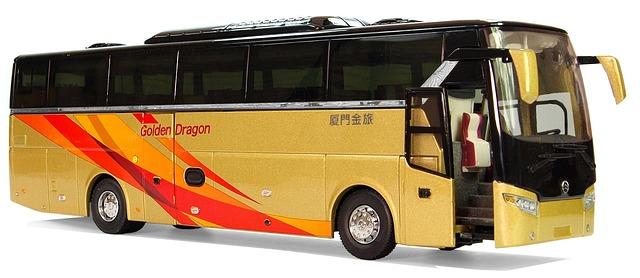
Eastern Switzerland and Liechtenstein are accelerating their transition to sustainable public transportation with the introduction of 14 new electric buses. The latest additions to the regional fleet, unveiled this week, mark a significant step forward in reducing emissions and promoting cleaner mobility across the area. This expansion underscores the growing commitment of local authorities to electrify public transit and enhance environmental standards, aligning with broader efforts to combat climate change.
Expansion of Electric Public Transport Network in Eastern Switzerland and Liechtenstein
The public transport systems in Eastern Switzerland and Liechtenstein are taking a significant step towards sustainability with the deployment of 14 new electric buses. These all-electric vehicles are set to replace several diesel-powered buses on key routes, drastically reducing greenhouse gas emissions and noise pollution throughout the region. Transport authorities highlight that this expansion is part of a broader initiative aimed at modernizing the bus fleet, improving air quality, and offering passengers a quieter, more comfortable travel experience.
Key features of the new e-bus fleet include:
- Zero tailpipe emissions with advanced battery technology
- Range capacity exceeding 250 kilometers per charge
- Regenerative braking systems for improved energy efficiency
- Modern passenger amenities, including USB charging ports and real-time route information
| Region | Number of E-Buses | Main Routes Covered | Projected Annual COâ‚‚ Savings (tons) |
|---|---|---|---|
| Eastern Switzerland | 10 | Zurich-Bodensee corridor | 250 |
| Liechtenstein | 4 | Vaduz-Schaan urban lines | 95 |
Technical Specifications and Environmental Benefits of the New E-Bus Fleet
The 14 newly launched electric buses represent a significant leap forward in public transportation technology for Eastern Switzerland and Liechtenstein. Each vehicle is equipped with a state-of-the-art lithium-ion battery pack boasting a capacity of 350 kWh, enabling a daily range of up to 320 kilometers on a single charge. Rapid charging stations installed at key terminals ensure swift turnaround times, with a full recharge achievable in under four hours. The buses feature advanced regenerative braking systems that recover energy, further optimizing efficiency. Additionally, the fleet’s modular design facilitates easy maintenance and adaptability to diverse route requirements across urban and rural settings.
Beyond cutting-edge technical specifications, these e-buses deliver substantial environmental benefits. The fleet’s zero tailpipe emissions contribute significantly to improved air quality, reducing urban pollution and greenhouse gas output. Compared to diesel counterparts, the electric buses cut carbon dioxide emissions by an estimated 85%, while also diminishing noise pollution through near-silent operation. Below is a summary of key environmental advantages:
- Zero tailpipe emissions: eliminating nitrogen oxides and particulate matter
- Reduced carbon footprint: primarily powered by renewable energy sources
- Lower noise levels: enhancing passenger comfort and urban livability
- Energy recuperation: improved efficiency with regenerative braking
| Specification | Detail |
|---|---|
| Battery Capacity | 350 kWh |
| Maximum Range | 320 km |
| Charging Time | < 4 hours (fast charging) |
| CO2 Emissions Reduction | Approx. 85% |
| Noise Reduction | Significant (near silent operation) |
Recommendations for Enhancing Regional Adoption of Sustainable Transit Solutions
To accelerate the uptake of sustainable transit options across Eastern Switzerland and Liechtenstein, local authorities should prioritize integrated planning that connects e-bus routes seamlessly with existing public transport networks. Enhancing last-mile connectivity through feeder services or shared mobility options can significantly increase ridership and convenience. Furthermore, investment in reliable and high-capacity charging infrastructure at strategic hubs will minimize operational downtime and instill greater confidence in fleet operators and passengers alike.
Engagement with communities and stakeholders plays a pivotal role in driving behavioral change toward sustainable transit. Transparent communication campaigns highlighting environmental and economic benefits help cultivate public support. Introducing dynamic incentives such as fare reductions during peak transition periods or rewards for frequent users can also stimulate demand. Below is a concise overview of key recommendations:
- Integrated multimodal networks: Coordinate schedules and ticketing systems.
- Robust charging infrastructure: Ensure widespread and fast-charging capability.
- Community engagement: Foster ownership and awareness.
- Incentive programs: Use pricing strategies to boost ridership.
- Data-driven optimization: Utilize passenger analytics for route efficiency.
| Focus Area | Proposed Action | Expected Impact |
|---|---|---|
| Infrastructure | Expand fast-charging stations | Reduced idle times, enhanced reliability |
| Public Outreach | Information campaigns & workshops | Increased awareness and acceptance |
| Policy | Subsidies and fare incentives | Higher ridership and revenue growth |
In Conclusion
The introduction of 14 new e-buses in Eastern Switzerland and Liechtenstein marks a significant step forward in the region’s commitment to sustainable public transportation. As these electric vehicles begin service, they not only promise to reduce emissions and noise pollution but also demonstrate the growing momentum behind green mobility solutions across Europe. With continued investment and innovation, Eastern Switzerland and Liechtenstein are set to play a pivotal role in shaping the future of eco-friendly transit.