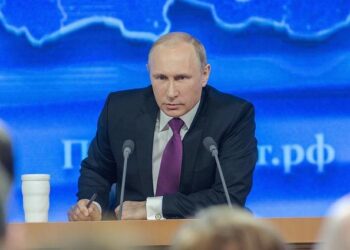
Georgia’s Prime Minister has announced a stringent crackdown on dissent following recent protests in the capital, Tbilisi. The move comes amid escalating tensions and widespread demonstrations critical of the government’s policies. Authorities have signalled a tougher approach to public unrest, raising concerns among human rights groups and opposition figures about the future of political freedoms in the country. This development marks a significant turning point in Georgia’s ongoing struggle with domestic dissent and governance.
Georgia’s Prime Minister Vows Strong Measures Following Mass Protests in Tbilisi
In response to unprecedented unrest in the capital, Georgia’s premier has outlined a series of stringent measures aimed at restoring public order and curbing civil disobedience. These steps include enhanced surveillance, expanded police powers, and rapid judicial processing of protest-related offenses. Officials stress that the government’s priority is to maintain stability while ensuring that national security concerns are met with decisive action.
Authorities have also announced the following key initiatives to address the ongoing turmoil:
- Deployment of additional riot police units across major urban centers
- Increased monitoring of social media platforms to prevent inflammatory content
- Fast-tracking of legislative amendments targeting unlawful assembly and incitement
| Measure | Expected Impact | Implementation Timeline |
|---|---|---|
| Expanded Police Powers | Quicker dispersal of protests | Immediate |
| Judicial Fast-Track | Swift legal consequences | Within 30 days |
| Social Media Oversight | Reduced online mobilization | Ongoing |
Analysis of Government Crackdown on Political Dissent and Civil Liberties Concerns
In the wake of escalating protests in Tbilisi, the Georgian government has initiated a stringent crackdown targeting political dissent, raising immediate concerns among human rights organizations both domestically and internationally. This shift marks a significant tightening of state control, with authorities deploying increased surveillance measures, mass arrests, and new legislative frameworks aimed at curbing opposition voices. Critics argue that these actions risk undermining democratic principles by suppressing freedoms of expression, assembly, and political participation, which are enshrined in Georgia’s constitution and international commitments.
Key civil liberties issues highlighted include:
- Arbitrary detention of protesters and opposition figures without transparent legal procedures
- Restrictions on independent media and increased pressure on journalists covering dissent
- Expanded powers for law enforcement agencies to intervene in peaceful gatherings
- Legislative amendments weakening institutional checks and balances on executive power
| Measure | Implication |
|---|---|
| Increased Surveillance | Chilling effect on free speech and activism |
| Crackdown on Independent Media | Erosion of press freedom and public accountability |
| Legislative Changes | Consolidation of power, weakening opposition’s capacity |
Experts Urge Dialogue and Legal Safeguards to Prevent Escalation of Tensions
Amid rising concerns over government measures following the recent protests in Tbilisi, prominent analysts and legal experts are emphasizing the critical need for measured dialogue and the protection of civil liberties. They warn that heavy-handed crackdowns risk deepening divisions and could provoke further unrest if not balanced with transparent legal safeguards. Key recommendations include fostering open communication channels between authorities and protest organizers to address grievances constructively.
Legal professionals have underscored the importance of adhering to constitutional rights while enforcing law and order. They propose establishing independent oversight committees to monitor any enforcement actions and ensure accountability. Below is a summary of expert suggestions aimed at mitigating escalation:
- Implement clear legal frameworks that delineate limits of state power during public demonstrations.
- Engage community leaders to mediate tensions and promote peaceful resolutions.
- Guarantee access to fair trials for those detained in protest-related incidents.
| Suggested Measure | Expected Outcome |
|---|---|
| Dialogue Forums | Increased trust between government and citizens |
| Legal Oversight Bodies | Transparent enforcement and reduced abuses |
| Community Mediation | De-escalation of localized tensions |
In Retrospect
As Georgia grapples with mounting political tensions, the government’s move to tighten control over dissent marks a significant escalation in the country’s ongoing struggle for democratic expression. With the prime minister’s crackdown measures drawing both domestic and international scrutiny, the coming weeks will be critical in determining the future trajectory of political freedoms and civil liberties in the nation. Observers and citizens alike remain watchful as Georgia navigates this fraught chapter in its recent history.