Heritage tourism is emerging as a powerful catalyst for economic growth and job creation in Southern Albania, according to recent findings by the World Bank Group. Leveraging the region’s rich cultural legacy and historical landmarks, initiatives aimed at attracting visitors are not only boosting local incomes but also fostering community development and infrastructure improvements. This article explores how heritage tourism is transforming Southern Albania’s economic landscape, providing new employment opportunities and paving the way for sustainable regional revitalization.
Heritage Tourism Sparks Economic Growth and Employment Opportunities in Southern Albania
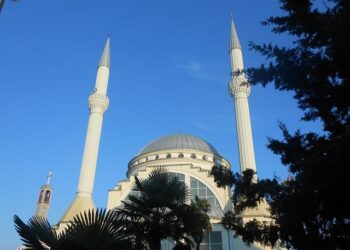
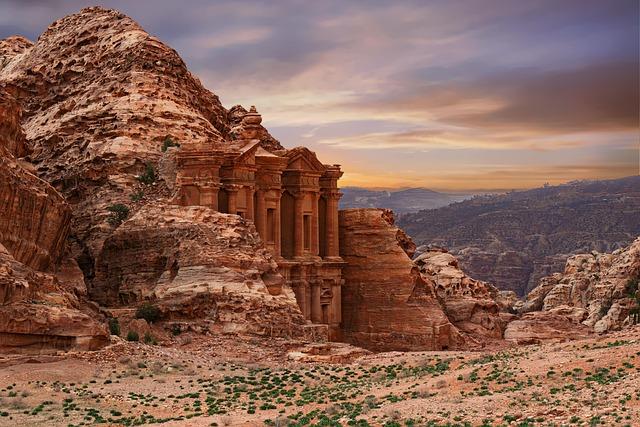
Southern Albania is witnessing a remarkable transformation as heritage tourism emerges as a powerful driver of economic growth. The region’s rich tapestry of archaeological sites, Ottoman-era architecture, and vibrant cultural traditions is attracting a growing number of international and domestic visitors. This influx not only fuels local businesses such as hotels, restaurants, and artisan markets but also stimulates investments in infrastructure and public services. As a result, small towns that were once overlooked are becoming bustling hubs of activity, creating a ripple effect that benefits the wider community.
In addition to bolstering the local economy, heritage tourism is generating diverse employment opportunities for residents. Jobs in guiding, hospitality, crafts, and event management are on the rise, offering alternatives to urban migration and helping to retain talent within the region. Key benefits include:
- Increased job creation in both formal and informal sectors
- Skill development through training programs focused on cultural preservation and tourism services
- Encouragement of entrepreneurship in traditional handicrafts and local culinary experiences
| Sector | Pre-Tourism Employment (%) | Post-Tourism Employment (%) |
|---|---|---|
| Hospitality | 12 | 28 |
| Crafts and Artisans | 7 | 18 |
| Tourism Services | 5 | 22 |
Revitalizing Cultural Sites Drives Community Engagement and Sustainable Development
In Southern Albania, the restoration of cultural landmarks has become a catalyst for both community pride and economic growth. Local populations are actively participating in preservation projects, transforming once-neglected sites into vibrant hubs that attract tourists and stimulate new business opportunities. This grassroots involvement not only fosters a deeper connection to heritage but also empowers residents through skills training and employment in conservation, hospitality, and guiding services.
Key benefits observed include:
- Creation of sustainable job opportunities across multiple sectors
- Revitalization of local economies through increased visitor spending
- Promotion of cultural awareness and intergenerational knowledge exchange
- Strengthening of social cohesion as communities unite around shared heritage
| Sector | Jobs Created | Annual Growth |
|---|---|---|
| Tourism & Guiding | 350+ | 12% |
| Conservation & Restoration | 120+ | 15% |
| Local Artisans & Crafts | 80+ | 10% |
| Hospitality & Services | 400+ | 18% |
Expert Recommendations for Enhancing Infrastructure and Promoting Local Entrepreneurship
To unlock the full potential of heritage tourism in southern Albania, experts emphasize the need for strategic investments in infrastructure that align with local ecosystems. Prioritizing improvements in transportation networks, including road maintenance and public transit connections, will facilitate greater accessibility to key cultural sites. Additionally, upgrading digital infrastructure by expanding broadband access in rural areas is critical for marketing local attractions and enabling e-commerce opportunities. Experts also highlight the importance of sustainable resource management to ensure long-term preservation of historical landmarks without compromising community livelihoods.
Promoting local entrepreneurship plays a pivotal role in translating tourism growth into tangible economic benefits for residents. Recommended initiatives include:
- Capacity-building workshops that equip artisans and small business owners with skills in marketing, customer service, and digital sales platforms.
- Microfinance programs tailored to support startups in sectors such as traditional crafts, agro-tourism, and hospitality.
- Creating local cooperatives to strengthen community bargaining power and streamline supply chains for regional products.
These efforts will not only diversify income sources but also foster a resilient, community-driven tourism ecosystem.
| Recommendation | Key Benefit | Target Group | |||||||||||||||||
|---|---|---|---|---|---|---|---|---|---|---|---|---|---|---|---|---|---|---|---|
| Road and Transit Upgrades | Improved site accessibility | Tourists & Local Vendors | |||||||||||||||||
| Artisan Marketing Workshops | Enhanced sales & product visibility | Local Artisans & Entrepreneurs |
| Recommendation | Key Benefit | Target Group |
|---|---|---|
| Road and Transit Upgrades | Improved site accessibility | Tourists & Local Vendors |
| Artisan Marketing Workshops | Enhanced sales & product visibility | Local Artisans & Entrepreneurs |
| Broadband Expansion in Rural Areas | Improved online presence and e-commerce | Rural Communities & Small Businesses |
| Microfinance Programs | Access to startup capital | Startups in Crafts, Agro-tourism & Hospitality |
| Local Cooperatives Formation | Stronger bargaining powerIn ConclusionAs Southern Albania continues to harness the potential of its rich cultural heritage, the positive ripple effects on local economies are becoming increasingly evident. Heritage tourism, supported by strategic investments and community engagement, is not only preserving the region’s unique identity but also generating sustainable employment opportunities. The World Bank Group’s involvement highlights the critical role that targeted development initiatives play in transforming historic sites into engines of growth. As this momentum builds, Southern Albania stands as a compelling example of how cultural preservation and economic revitalization can go hand in hand, offering a promising blueprint for other regions seeking inclusive and sustainable development. ADVERTISEMENT  Related Posts |