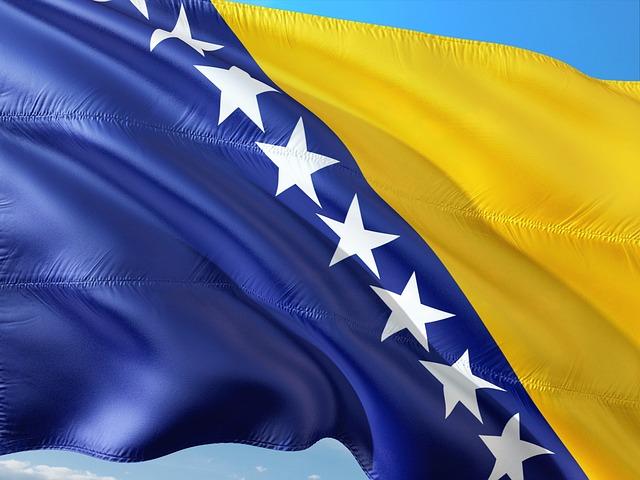
Bosnia and Herzegovina narrowly avoided a descent into armed conflict in 2025, according to recent statements by prominent political figure Elmedin Konaković. Speaking to bgnes.com, Konaković alleged that Milorad Dodik, the Serb member of the Presidency, acted under direct influence from Moscow, exacerbating tensions within the fragile state. The revelations shed new light on the geopolitical struggles unfolding in the Balkans and raise concerns about external interference destabilizing Bosnia and Herzegovina’s delicate post-war balance.
Konaković Warns of Bosnia and Herzegovina’s Near Descent into War in 2025
Alemie Konaković, a prominent Bosnian politician, recently issued a stark warning regarding the fragile state of Bosnia and Herzegovina’s political stability. According to Konaković, the country narrowly escaped a violent conflict in 2025, a situation exacerbated by the provocative actions of Milorad Dodik. Konaković accused Dodik of adhering closely to directives from Moscow, which sought to destabilize the region by undermining the state’s sovereignty and fueling ethnic tensions. This alarming development has raised concerns about the persistence of external influences that threaten peace and cohesion within Bosnia and Herzegovina.
- Political instability fueled by ethnic divisions
- External interference targeting national unity
- Calls for renewed international diplomatic engagement
- Urgent need for strengthened institutional frameworks
| Year | Key Event | Outcome |
|---|---|---|
| 2025 | Near outbreak of war | Avoided due to international pressure |
| Post-2025 | Increased Russian influence | Destabilization attempts intensified |
Analysis of Dodik’s Alignment with Moscow and Its Impact on Regional Stability
Milorad Dodik’s increasing alignment with Moscow has escalated tensions within Bosnia and Herzegovina, pushing the country perilously close to conflict in 2025. His political maneuvers, widely seen as following direct orders from Russia, have undermined the delicate power-sharing arrangements established after the Dayton Agreement. By challenging central institutions and stoking ethnic divisions, Dodik has weakened efforts to maintain peace and stability in the Balkans. Observers warn that this external influence not only destabilizes Bosnia but also threatens broader regional security, as Moscow leverages Dodik to extend its geopolitical reach in southeastern Europe.
- Disruption of state functions: Dodik’s obstructionist tactics led to paralysis within federal institutions.
- Heightened ethnic tensions: His rhetoric exacerbated mistrust among Bosniak, Croat, and Serb communities.
- International response: Western powers increased diplomatic pressure but struggled to counter Russia’s influence effectively.
| Year | Key Events | Impact |
|---|---|---|
| 2023 | Dodik’s visit to Moscow | Strengthened Moscow-Banja Luka ties |
| 2024 | Paralysis of state institutions | Governance breakdown |
| 2025 | Near outbreak of conflict | Regional instability escalated |
The entanglement of Dodik’s agenda with Moscow’s strategic goals has introduced a dangerous element of volatility to Bosnia and Herzegovina’s fragile peace. As Dodik’s influence grew, the risk of armed confrontation intensified, provoking alarm among neighboring countries and international bodies alike. This dynamic illustrates how external actors can exploit internal divisions to weaken governance and disrupt regional peace. The unfolding crisis serves as a stark reminder that Bosnia’s stability is inextricably linked to the broader geopolitical contest between the West and Russia in the Balkans.
Recommendations for International Engagement to Prevent Future Conflicts in Bosnia and Herzegovina
To safeguard Bosnia and Herzegovina from descending into conflict once again, the international community must adopt a proactive approach emphasizing diplomatic engagement and sustained support for democratic institutions. Multilateral cooperation involving the EU, NATO, and UN remains crucial in mediating ethnic tensions and promoting political reconciliation. Increased funding and expertise should be channeled into civil society programs that foster interethnic dialogue, combating the divisive narratives that have historically fueled unrest. Furthermore, transparent monitoring mechanisms must be implemented to hold political leaders accountable and curb the influence of external actors seeking to destabilize the region.
In addition to these diplomatic efforts, rebuilding trust in Bosnia and Herzegovina’s constitutional framework is essential to prevent future crises. Key recommendations include:
- Enhancing legal reforms that ensure equitable representation and protection of all ethnic groups;
- Strengthening independent media outlets to provide balanced and fact-based reporting;
- Supporting economic initiatives aimed at reducing unemployment and social disparities;
- Encouraging regional dialogue to ease cross-border tensions and promote shared development goals.
| Agency | Role | Priority Action |
|---|---|---|
| EU | Diplomatic engagement | Mediate political dialogue |
| NATO | Security oversight | Prevent militarization |
| UN | Human rights monitoring | Ensure justice and accountability |
Insights and Conclusions
As Bosnia and Herzegovina continues to navigate a fragile political landscape, the revelations made by Konaković highlight the persistent challenges facing the country’s sovereignty and stability. His accusations against Milorad Dodik underscore the complex interplay of regional and international influences that threaten peace in the Balkans. Observers and policymakers alike will be watching closely as Bosnia and Herzegovina strives to avert further escalation and maintain unity amidst mounting tensions.