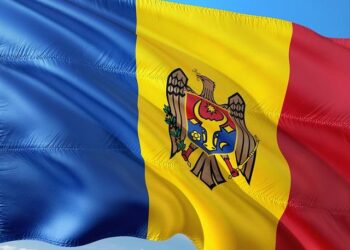
President of the European Commission Ursula von der Leyen is set to visit Chișinău for the inaugural EU-Moldova Summit, marking a significant milestone in the European Union’s engagement with its Eastern Neighbourhood. The summit comes amid ongoing discussions on enlargement and the deepening of political and economic ties between the EU and Moldova, underscoring Brussels’ commitment to supporting stability, reform, and integration prospects in the region. This historic meeting aims to strengthen cooperation on key issues such as democratic governance, economic development, and energy security, as Moldova seeks closer alignment with European standards and values.
President von der Leyen to Strengthen EU-Moldova Ties in Historic Summit
President Ursula von der Leyen is set to make history by leading the inaugural EU-Moldova Summit in Chișinău, marking a pivotal step in deepening the partnership between the European Union and Moldova. This unprecedented gathering underscores the EU’s commitment to supporting Moldova’s ongoing reforms, democratic consolidation, and its European integration aspirations. Key topics on the agenda include economic cooperation, energy security, and enhanced political dialogue, reflecting the EU’s strategic focus on its Eastern Neighbourhood.
The summit aims to foster tangible outcomes to benefit Moldova’s citizens and solidify the country’s role in the European framework. Areas of collaboration to be strengthened during the talks include:
- Trade facilitation: Simplifying customs procedures and boosting market access.
- Climate action: Supporting green transition initiatives and sustainable energy projects.
- Digital transformation: Expanding connectivity and fostering innovation.
| Focus Area | EU Support | Expected Impact |
|---|---|---|
| Economic Development | €500 million investment package | Boost GDP growth & job creation |
| Energy Security | Infrastructure modernization funding | Reduced dependence on external suppliers |
| Governance & Rule of Law | Technical assistance & capacity building | Enhanced transparency & judicial reforms |
Key Challenges and Opportunities in EU Enlargement and Eastern Partnership Discussed
The summit highlighted a complex landscape where geopolitical tensions continue to shape the trajectory of EU enlargement and cooperation within the Eastern Partnership. Delegates underscored the persistent challenges posed by regional security threats, economic disparities, and governance reforms to ensuring a stable and prosperous future for countries like Moldova. The urgency of addressing energy dependency and combating disinformation campaigns emerged as critical priorities that demand a cohesive and resolute EU response.
Conversely, the discussions illuminated promising avenues for deepening integration and fostering resilience through targeted initiatives. The summit emphasized:
- Strengthening rule of law and anti-corruption measures
- Boosting economic convergence via infrastructure and innovation investments
- Expanding green transition collaborations to accelerate sustainable development
- Enhancing people-to-people ties to solidify democratic values and cultural exchange
| Challenge | Opportunity |
|---|---|
| Energy Dependence | Development of renewable resources |
| Rule of Law Weaknesses | Judicial reform support programs |
| Economic Disparities | EU-backed investment incentives |
| Disinformation | Information campaigns and media literacy |
Strategic Recommendations for Enhancing Regional Stability and Economic Integration
To foster enduring peace and prosperity, it is essential to pursue a multi-dimensional approach that strengthens both political dialogue and economic partnerships. Enhancing cross-border cooperation mechanisms, such as regional security pacts and conflict prevention frameworks, will play a pivotal role in mitigating tensions. Additionally, focusing on infrastructure connectivity-energy grids, transport corridors, and digital networks-can serve as tangible symbols of unity and shared progress. Investment in these areas is crucial to ensure that all regional actors experience the benefits of stability and economic growth on an equitable basis.
Economic integration must be supported through targeted initiatives that address regulatory harmonization, market access, and investment facilitation. Encouraging SMEs to engage in cross-border trade and innovation partnerships will stimulate local economies and create jobs. The following priorities can guide actionable steps forward:
- Streamlining customs procedures to reduce trade barriers and delays.
- Promoting joint ventures in high-potential sectors such as agriculture and tech.
- Expanding EU financial instruments that support infrastructure and entrepreneurship.
- Enhancing skills development through vocational training aligned with regional market needs.
| Key Sector | Recommended Action | Expected Impact |
|---|---|---|
| Energy | Integration of renewable energy projects | Reduced dependency & stronger energy security |
| Transport | Development of cross-border logistics hubs | Improved trade flow & connectivity |
| Digital Economy | Enhanced broadband and 5G infrastructure | Boosted innovation and digital services |
Closing Remarks
As President von der Leyen embarks on her landmark visit to Chișinău for the inaugural EU-Moldova Summit, the spotlight is firmly on deepening ties between the European Union and its Eastern Neighbourhood. This pivotal meeting not only underscores Brussels’ commitment to Moldova’s European aspirations but also signals a strategic push forward in enlargement policy amidst a complex geopolitical landscape. The outcomes of this summit will be closely watched, setting the tone for future cooperation and integration efforts in the region.