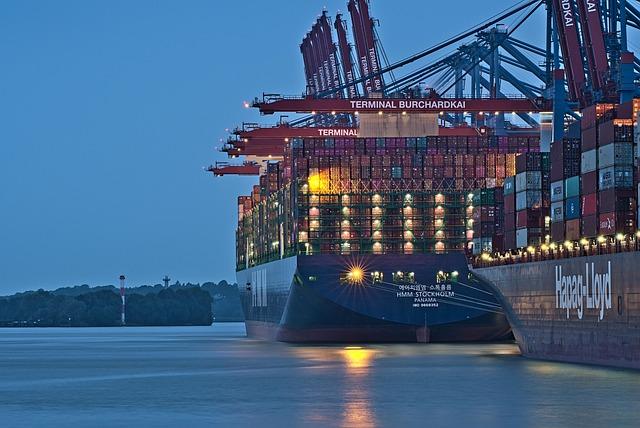
Finland’s trade balance has shifted into deficit for the first time in several months, according to the latest data analyzed by TradingView. The change marks a notable development in the country’s international trade dynamics, as imports have outpaced exports amid fluctuating global demand and supply chain challenges. This shift signals potential implications for Finland’s economic outlook and trade policies moving forward.
Finland’s Trade Balance Moves to Deficit Amid Changing Export Dynamics
Finland’s trade balance has taken a notable downturn, recording a deficit that signals a shift in the nation’s economic landscape. This change is largely attributed to evolving export dynamics influenced by global market fluctuations and regional demand shifts. Despite a historically strong performance in sectors such as technology and forestry products, recent months have seen a slowdown in export growth, while import demand remains robust. Key contributors to this trend include weakened demand from major trading partners and increased input costs driving up import volumes.
Analyzing the factors behind this transition reveals several critical elements at play:
- Reduced exports of electronics and machinery, Finland’s long-standing exports leaders.
- Higher import bills due to rising energy and raw material prices.
- Shift in global supply chains altering traditional trade routes.
| Trade Indicator | Previous Quarter | Current Quarter |
|---|---|---|
| Exports (EUR Billion) | 20.4 | 18.7 |
| Imports (EUR Billion) | 19.8 | 21.5 |
| Trade Balance (EUR Billion) | +0.6 | -2.8 |
Analyzing Key Factors Behind Finland’s Shift in Trade Performance
Finland’s transition to a trade deficit reflects a confluence of several significant factors that have reshaped its external economic landscape. Key among them is the notable decline in demand for traditional Finnish exports like electronics and machinery, sectors historically vital to the country’s trade surplus. Additionally, supply chain disruptions and rising global commodity prices have inflated import costs, exerting pressure on the trade balance. The country’s growing reliance on energy imports due to geopolitical shifts in Europe has further exacerbated this imbalance.
Other contributing elements include:
- Increased consumer demand: Rising domestic consumption has led to higher imports of finished goods and raw materials.
- Currency fluctuations: The euro’s recent volatility has affected export competitiveness.
- Changes in global trade dynamics: The emergence of new trade partners and tariffs has altered traditional trade flows.
| Factor | Impact | Trend |
|---|---|---|
| Electronics Export Volume | Down by 12% | Decreasing |
| Energy Imports Cost | Up by 18% | Increasing |
| Consumer Goods Imports | Up by 10% | Increasing |
Strategic Recommendations for Policymakers to Restore Finland’s Trade Equilibrium
To effectively counteract Finland’s recent shift to a trade deficit, policymakers must prioritize a multi-faceted approach that safeguards export competitiveness while stimulating domestic innovation. Enhancing support for high-value manufacturing sectors, such as technology and clean energy, can increase the country’s global export appeal. Additionally, strengthening trade partnerships across emerging markets will diversify Finland’s trade portfolio and reduce overdependence on traditional European partners. Targeted subsidies and tax incentives aimed at export-driven enterprises can also catalyze growth and job creation within priority sectors.
Moreover, addressing structural imbalances through regulatory reforms is essential to restore market equilibrium. Policymakers should consider:
- Reducing export barriers and streamlining customs procedures
- Investing in R&D to drive innovation across key industries
- Leveraging digital platforms to promote Finnish products globally
- Encouraging sustainable trade practices aligned with climate goals
| Strategic Focus | Expected Outcome | Timeline |
|---|---|---|
| Export Incentives | Increase market share in Asia-Pacific | 1-2 years |
| R&D Investment Boost | Higher innovation capacity | 3-5 years |
| Trade Facilitation Reforms | Lower transaction costs | 6-12 months |
Future Outlook
As Finland’s trade balance shifts into deficit, the latest data underscores emerging challenges in the nation’s export and import dynamics. Analysts will be closely monitoring subsequent developments to assess the broader economic implications and potential policy responses. Stay tuned to TradingView for ongoing coverage and in-depth market insights.