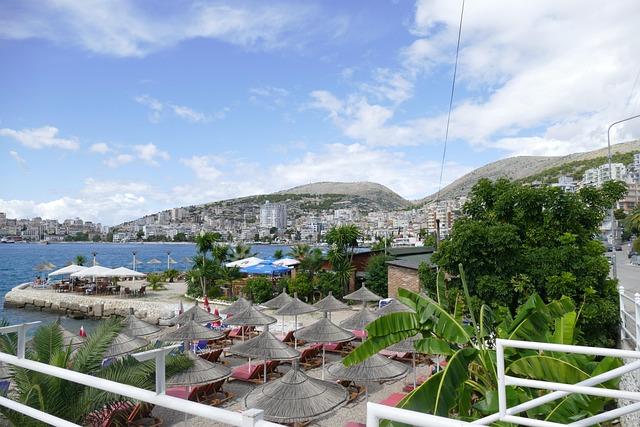
Albania Faces Increasing Challenges Amid Extreme Weather Events
Albania is grappling with a surge in extreme weather conditions, as unusual temperature swings, intense storms, and flooding increasingly disrupt daily life and infrastructure. Recent reports from meteorological agencies highlight a troubling trend of more frequent and severe weather patterns across the country, raising concerns about preparedness and resilience. This article delves into the latest developments, expert analyses, and the impact of these extreme weather events on Albania’s communities and economy.
Albania Faces Rising Threats from Extreme Weather Events
Albania is increasingly vulnerable to a surge in catastrophic weather patterns, driven by shifting climate dynamics in the Balkan region. Recent incidents have seen severe floods, unprecedented storms, and intense heatwaves wreak havoc across key provinces, disrupting daily life and causing significant economic losses. The government’s latest reports highlight a trend towards more frequent and unpredictable events, placing urgent demands on emergency services and infrastructure resilience.
Key factors exacerbating the nation’s exposure include:
- Deforestation leading to soil erosion and flash flooding
- Urbanization in flood-prone zones, increasing population risk
- Insufficient drainage infrastructure to cope with heavy rainfall
| Type of Extreme Weather | Average Frequency (2010-2015) | Average Frequency (2020-2024) | Regions Most Affected |
|---|---|---|---|
| Flooding | 3 major events/year | 7 major events/year | Shkodër, Lezhë |
| Heatwaves | 1 per summer | 3 per summer | Tirana, Berat |
| Storms | 2/year | 5/year | Vlora, Durrës |
Detailed Analysis of Recent Floods and Heatwaves Impacting Communities
The recent climate anomalies in Albania have unleashed a cascade of challenges, as torrential floods swept across several regions while relentless heatwaves exacerbated living conditions. In the north and central territories, communities faced inundations that disrupted daily life and critical infrastructure. Emergency services reported severe road closures, power outages, and contamination of water supplies. Local authorities attribute these events to an unusual convergence of weather patterns intensified by broader climatic shifts, stressing the urgent need for enhanced disaster preparedness and resilient infrastructure development. Key impacts observed include:
- Displacement of over 3,000 residents in flood-affected areas
- Damages to agricultural sectors with substantial crop loss
- Record-breaking temperatures above 42°C heightening health risks
- Strain on emergency response resources across multiple provinces
A comparative overview of rainfall and temperature extremes from the past decade highlights an alarming acceleration in severity and frequency. The table below reflects key metrics measured during the latest events, illustrating deviations from long-term averages:
| Parameter | Average (2014-2023) | Recent Event (2024) | Change (%) |
|---|---|---|---|
| Rainfall (mm) | 85 | 210 | +147% |
| Max Temperature (°C) | 36.5 | 42.3 | +15.9% |
| Flooded Area (km²) | 12 | 45 | +275% |
| Heatwave Duration (Days) | 5 | 11 | +120% |
These figures underscore a pressing call for strategic interventions aimed at mitigating future damages and safeguarding vulnerable populations. Experts emphasize the integration of early warning systems, community education, And climate-resilient urban planning to better equip Albania in facing the escalating threats posed by climate variability. Collaborative efforts between government agencies, international partners, and local communities will be essential to develop adaptive measures that reduce exposure and enhance recovery capacity.
Moreover, investment in sustainable agricultural practices and water management infrastructure is critical to curb the socio-economic impacts on affected regions. Strengthening health services to cope with heat-related illnesses and expanding emergency resource allocation can further minimize human suffering during extreme weather episodes.
In conclusion, the recent anomalies signal not only a deviation from historical norms but also serve as a clear indicator of broader environmental changes demanding immediate and sustained action. Proactive policy frameworks and inclusive stakeholder engagement will be pivotal in building a resilient Albania capable of withstanding future climatic adversities.
Expert Recommendations for Enhancing Albania’s Climate Resilience and Emergency Preparedness
Leading climatologists and emergency management specialists emphasize the urgent need for Albania to adopt a multifaceted approach to bolster its defenses against increasingly frequent extreme weather events. Central to their strategy is the integration of advanced weather forecasting technologies combined with localized early warning systems. Experts highlight that empowering communities with real-time data and actionable alerts can dramatically reduce vulnerability, especially in flood-prone and seismic regions. Additionally, they recommend the creation of resilient infrastructure tailored to withstand Albania’s unique geographic risks, such as reinforced bridges, adaptable drainage networks, and green urban planning that maximizes natural water absorption.
Key measures proposed include:
- Investment in climate-resilient agriculture to safeguard food security amid erratic rainfall patterns.
- Strengthening interagency coordination for quicker, unified responses during emergencies.
- Regular community drills and public education campaigns to raise disaster awareness and preparedness.
- Developing a national database tracking vulnerability hotspots and optimizing resource allocation.
In support of these recommendations, the following table outlines priority actions with their corresponding impact levels as assessed by experts:
| Action | Impact Level | Timeline |
|---|---|---|
| Early Warning System Deployment | High | 1-2 Years |
| Infrastructure Modernization | Medium-High | 3-5 Years |
| Public Education Programs | Medium | Ongoing |
| Interagency Emergency Protocols | High | 1 Year |
In Retrospect
As Albania continues to confront the challenges posed by extreme weather events, the need for vigilant monitoring and proactive measures becomes ever more critical. Authorities, experts, and communities must work together to enhance resilience and preparedness in the face of an increasingly unpredictable climate. Herald and News will remain committed to providing timely updates and in-depth coverage as the situation develops, ensuring that readers stay informed about the impacts and responses shaping Albania’s weather landscape.