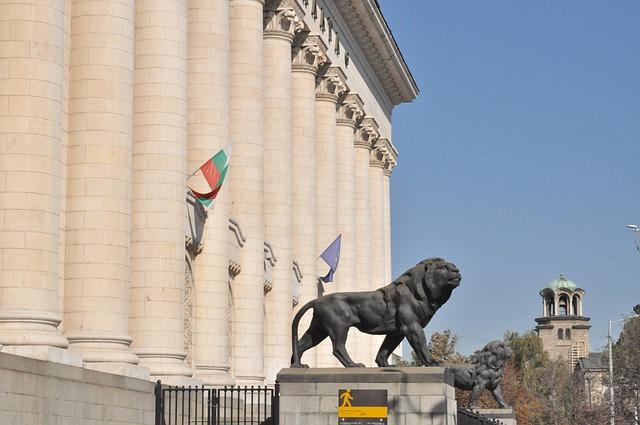
Bulgaria is weighing the introduction of a new tax on soft drinks as part of a broader strategy to combat rising rates of childhood obesity. The proposed measure, which targets sugary beverages, aims to encourage healthier consumption habits among young people and reduce the country’s growing public health burden. Health officials and policymakers say the move reflects a growing global trend to address diet-related health issues through fiscal policies. This development marks a significant step in Bulgaria’s efforts to promote better nutrition and tackle obesity-related diseases.
Bulgaria Proposes Soft Drink Tax to Curb Rising Childhood Obesity Rates
In response to alarming statistics revealing a sharp rise in childhood obesity, Bulgarian lawmakers have put forward a proposal to impose a tax on soft drinks. The initiative aims to discourage excessive consumption of sugary beverages among young people by making these products less financially accessible. Officials emphasize that this measure is part of a broader public health strategy designed to promote healthier lifestyles and reduce the long-term societal costs associated with obesity-related diseases. Experts welcomed the proposal but also called for complementary actions such as educational campaigns and improved access to nutritious alternatives.
The proposed soft drink tax is structured to adjust prices based on sugar content, encouraging manufacturers to reformulate their products with reduced sugar levels. Key features of the plan include:
- Tax rate: Incremental charges per 100ml of added sugar
- Exemptions: Natural fruit juices and dairy-based drinks
- Revenue use: Funding school nutrition programs and public health initiatives
| Category | Proposed Tax Rate | Expected Impact |
|---|---|---|
| High-Sugar Sodas | 0.15 BGN per 100ml | Significant price increase & consumption drop |
| Low-Sugar Beverages | 0.05 BGN per 100ml | Moderate price hike; encourages reformulation |
| Exempt Drinks | 0 BGN | No financial impact; promotes healthier choices |
Health Experts Highlight Potential Benefits and Challenges of the Policy
Health professionals largely agree that the proposed soft drink tax could serve as a critical lever in reducing childhood obesity rates across Bulgaria. By increasing the cost of sugary beverages, the measure is expected to discourage consumption among young people, fostering healthier lifestyle choices. Experts highlight potential benefits such as:
- Reduced sugar intake: Lower availability and affordability of high-sugar drinks can decrease daily sugar consumption among children.
- Increased public awareness: The policy may catalyze broader discussions about nutrition and encourage healthier alternatives.
- Funding opportunities: Tax revenues could support health promotion programs and childhood obesity prevention campaigns nationwide.
Despite optimism, some challenges are also underscored by specialists. Concerns include the risk of economic strain on lower-income families, where beverage taxes might disproportionately impact budgets without guaranteeing behavior change. Additionally, critics warn of possible substitution effects, where children might switch to other unhealthy snacks or drinks not covered by the tax. The success of the policy will largely depend on complementary efforts, including public education and clear regulatory frameworks.
| Potential Benefits | Possible Challenges |
|---|---|
| Decreased childhood sugar consumption | Economic impact on low-income families |
| Promotion of healthier dietary habits | Risk of substitution with untaxed unhealthy options |
| Funding for health initiatives | Need for effective public awareness campaigns |
Recommendations for Effective Implementation and Public Awareness Campaigns
Stakeholder collaboration remains essential to maximize the impact of the proposed soft drink tax. Engaging community leaders, healthcare professionals, educators, and industry representatives early in the process can help tailor messages for diverse audiences and foster a shared commitment to reducing childhood obesity. Public forums and workshops should be prioritized to clarify the tax’s goals and address potential concerns, ensuring transparency and trust.
- Clear communication emphasizing health risks associated with sugary drink consumption
- Educational campaigns focused on healthier alternatives and portion control
- Regular monitoring and feedback mechanisms involving community input
- Visible government support through endorsements by public figures and policy champions
| Key Element | Purpose | Expected Outcome |
|---|---|---|
| Community Engagement | Strengthen trust and gather input | Widespread public support |
| Targeted Messaging | Address specific demographics | Higher engagement and behavior change |
| Ongoing Evaluation | Adjust strategies based on results | Sustained effectiveness over time |
` tags. Here’s the corrected full HTML snippet with those tags added:
| Key Element | Purpose | Expected Outcome |
|---|---|---|
| Community Engagement | Strengthen trust and gather input | Widespread public support |
| Targeted Messaging | Address specific demographics | Higher engagement and behavior change |
| Ongoing Evaluation | Adjust strategies based on results | Sustained effectiveness over time |
If you need help with anything else-such as enhancing the content or converting it into another format-please let me know!
Future Outlook
As Bulgaria deliberates the introduction of a soft drink tax, the move underscores the government’s growing commitment to tackling childhood obesity through fiscal measures. While the proposal faces debate among policymakers and industry stakeholders, it reflects a broader global trend toward leveraging taxation as a public health tool. The coming months will reveal whether this initiative can effectively curb sugary beverage consumption and promote healthier lifestyles among Bulgaria’s youth.