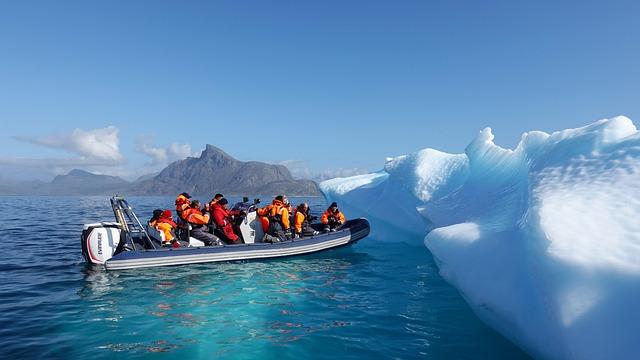
Norway has announced a halt to its pioneering plans for deep sea mining in the Arctic, marking a significant pause in the race to exploit the region’s rich mineral resources. The decision, revealed this week, comes amid growing environmental concerns and mounting international pressure to protect the fragile marine ecosystems beneath the Arctic Ocean. As global demand for critical minerals intensifies, Norway’s move raises important questions about balancing economic interests with environmental stewardship in one of the world’s most vulnerable and strategically important frontiers.
Arctic Deep Sea Mining Plans Suspended Amid Environmental Concerns
Norway’s ambitious venture into extracting mineral resources from the Arctic seabed has been put on hold, following mounting pressure from environmental groups and scientific communities. Concerns over irreversible damage to fragile ecosystems and the potential disruption of indigenous livelihoods have prompted authorities to reconsider advancing with deep sea mining projects in the region. Experts warn that disturbing the unique benthic habitats could lead to cascading effects on marine biodiversity, many of which remain poorly understood.
Key factors influencing this suspension include:
- Threats to marine wildlife: Potential loss of habitat for rare Arctic species.
- Environmental unpredictability: Insufficient data on long-term mining impacts.
- Indigenous rights: Respecting traditional areas impacted by industrial activities.
The decision highlights a growing global recognition of sustainable resource management. Authorities have emphasized the need for comprehensive environmental impact assessments and technological advancements before reconsidering extraction initiatives. Below is a brief overview summarizing key environmental concerns related to Arctic deep sea mining:
| Environmental Issue | Potential Impact |
|---|---|
| Seabed disruption | Loss of benthic organisms and habitats |
| Water plume formation | Spread of sediment impacting filter feeders |
| Toxic leaks | Contamination of marine food chains |
| Noise pollution | Disturbance of mammal migration and communication |
Impact on Marine Ecosystems and Indigenous Communities Explored
The proposed deep sea mining activities in Norway’s Arctic waters posed significant threats to fragile marine ecosystems, integral to global biodiversity. Experts raised alarms about disturbances to benthic habitats, which are home to unique species adapted to the cold, dark environment of the seabed. The disruption of sediment layers could lead to the release of trapped pollutants and heavy metals, potentially cascading through the marine food web, affecting species crucial for ecological balance. Equally concerning were the unknown long-term effects on migratory patterns of marine mammals reliant on these waters for breeding and feeding.
Indigenous communities, whose livelihoods and cultural heritage are closely tied to the Arctic marine environment, faced social and economic risks as well. Fishing, a cornerstone of their traditional economy, could be jeopardized by the depletion of fish stocks and habitat degradation. Additionally, the noise and physical disturbances from mining operations risked disrupting cultural practices linked to the sea. The following table outlines key impacts identified in the review process:
| Aspect | Potential Impact | Community Concern |
|---|---|---|
| Marine Biodiversity | Loss of unique benthic species | Threatens subsistence wildlife |
| Water Quality | Contamination from disturbed sediments | Affects fish safety and health |
| Fishing Economy | Decline in fish populations | Reduced income and food security |
| Cultural Heritage | Disruption of traditional sea routes | Loss of ancestral connections |
Conservation groups and indigenous leaders have welcomed the suspension, emphasizing the need for thorough scientific research and inclusive dialogue before any further developments. The moratorium marks a critical step in balancing economic ambitions with the preservation of vital ecological and cultural assets.
Experts Call for Stricter Regulations and Comprehensive Impact Assessments
Environmental specialists and marine biologists have voiced increasing concern over the potential ecological consequences deep sea mining poses to the fragile Arctic marine ecosystem. They emphasize the urgent need for stricter regulatory frameworks that mandate comprehensive impact assessments before any further development proceeds. Experts argue that current evaluation methods are insufficient to capture the long-term effects on biodiversity, sediment disturbance, and disruption of critical habitats that support endangered species.
Proposals for enhanced regulations emphasize the following key components:
- Baseline environmental monitoring extending over multiple years to track changes accurately.
- Inclusive stakeholder consultations involving indigenous communities and independent scientists.
- Transparent data sharing to ensure public accountability and facilitate international cooperation.
- Adaptive management strategies capable of responding to new scientific findings.
| Assessment Criteria | Proposed Regulation | Expected Outcome |
|---|---|---|
| Environmental Impact | Comprehensive multi-year studies | Better prediction of ecosystem changes |
| Community Involvement | Mandatory consultations with locals | Inclusive and culturally sensitive planning |
| Transparency | Public access to data and reports | Improved trust and international cooperation |
Closing Remarks
The decision to halt Arctic deep sea mining plans in Norway marks a significant moment in the ongoing debate over the environmental and economic implications of resource extraction in fragile marine ecosystems. As concerns over biodiversity, climate impact, and indigenous rights continue to grow, this pause offers a critical opportunity for policymakers, scientists, and stakeholders to re-evaluate the future of deep sea mining in the Arctic. The outcome of this reassessment will not only shape Norway’s approach but could also influence global standards and regulations in one of the planet’s last frontiers.