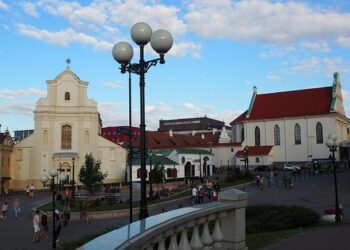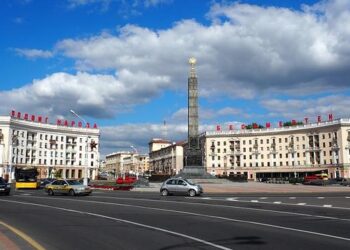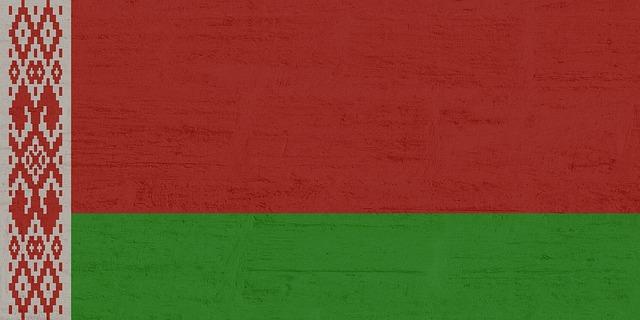
Belarus is making a pronounced shift back toward Soviet-era economic practices, signaling a strategic departure from market-oriented reforms that have characterized much of the post-Soviet period. According to recent analysis by the Carnegie Endowment for International Peace, the country’s leadership is reasserting state control over key industries, increasing central planning measures, and revitalizing command-style governance within the economy. This move reflects both domestic political calculations and broader geopolitical pressures, raising critical questions about Belarus’s economic future and its positioning amid ongoing regional tensions.
Belarus Revives Central Planning and State Control in Economic Policy
In a marked departure from the market-oriented reforms of the 1990s and early 2000s, Belarus has systematically reintroduced mechanisms reminiscent of Soviet-era economic management. This strategic pivot emphasizes centralized decision-making, state ownership of key industries, and stringent regulatory oversight. By reinstating detailed production quotas and restricting private enterprise expansion, the government aims to stabilize its economy amid external pressures and sanctions. Observers note that this approach also entails tighter controls over foreign investment and a renewed emphasis on import substitution, prioritizing the state’s role in directing economic activity over market forces.
The move towards reinforced state control is characterized by several notable policy shifts:
- Revival of state planning bodies: Ministries have regained authority to allocate resources and set output targets across industrial sectors.
- Expansion of public-sector monopolies: Key industries such as energy, manufacturing, and agriculture are increasingly nationalized or controlled by state-run enterprises.
- Restriction on private entrepreneurship: New regulations limit the freedom of small and medium businesses, curbing their market participation.
| Sector | Control Level | Impact |
|---|---|---|
| Energy | 100% State-Owned | Stabilized prices, reduced foreign dependency |
| Manufacturing | Predominantly State-Controlled | Production quotas reinstated |
| Agriculture | Collective Farms Expansion | Increased output targets |
| Private SMEs | Highly Regulated | Limited growth opportunities |
Implications for Regional Stability and Global Markets
Belarus’s reversion to Soviet-style economic policies significantly complicates geopolitical dynamics in Eastern Europe. The state’s increased control over industries and reduced openness to market reforms hinder integration with Western economic structures, raising concerns among neighboring countries about economic spillover effects and potential regional destabilization. Moreover, this shift could embolden similar policy trajectories in other post-Soviet states, undermining efforts toward greater economic liberalization and political pluralism across the region.
Global markets are also likely to feel the reverberations of Belarus’s policy pivot. Key sectors such as energy exports and agricultural goods, historically important contributors to both regional supply chains and global commodities markets, may experience volatility. Investors are wary of unpredictability arising from centralized decision-making and limited transparency, which could affect trade flows and foreign direct investment. The table below outlines critical sectors and their projected impact under the renewed state-driven economic model:
| Sector | Impact | Global Relevance |
|---|---|---|
| Energy | Restricted exports, price fluctuations | High – affects European energy security |
| Agriculture | Export limitations, productivity downturn | Moderate – influences grain markets |
| Manufacturing | Decline in innovation, supply delays | Low – primarily regional impact |
Policy Recommendations to Encourage Market Reform and International Engagement
To reverse the ongoing drift toward outdated Soviet-style economic management, policymakers must prioritize creating a welcoming environment for both domestic entrepreneurship and foreign investment. Key measures include:
- Implementing transparent regulatory frameworks that reduce bureaucratic red tape and corruption.
- Developing incentives for innovation and small-to-medium enterprises (SMEs) to foster market dynamism.
- Strengthening judicial independence to protect property rights and contract enforcement.
- Restructuring state-owned enterprises (SOEs) to improve efficiency or gradually privatize them.
International engagement should concentrate on rebuilding trust through constructive dialogue and economic integration initiatives. Collaborative efforts can include targeted trade partnerships, technical assistance, and revisiting membership in regional economic blocs. The following table highlights practical steps for aligning Belarus’s policies with global market standards:
| Policy Area | Recommended Action | Expected Outcome |
|---|---|---|
| Trade Liberalization | Reduce tariffs and eliminate non-tariff barriers | Increase exports and attract foreign capital |
| Financial Sector Reform | Enhance transparency and allow private banking | Boost credit availability for private businesses |
| Labor Market Flexibility | Modernize labor laws to ease hiring and firing | |
| Labor Market Flexibility | Modernize labor laws to ease hiring and firing | Increase employment opportunities and labor mobility |
### Summary
To counteract the drift toward outdated Soviet-style economic management in Belarus, policymakers should focus on creating a business-friendly environment by:
– Reducing bureaucracy and corruption through transparent regulations;
– Encouraging innovation and support for SMEs;
– Ensuring judicial independence for property rights;
– Restructuring or privatizing inefficient SOEs.
Additionally, international cooperation should focus on rebuilding trust through dialogue, trade partnerships, technical support, and regional integration.
The table outlines practical steps such as trade liberalization, financial reforms, and labor market flexibility, each designed to attract foreign investment, boost exports, improve credit availability, and enhance employment dynamics in Belarus.
If you want, I can help you further with elaboration, formatting, or policy analysis!
To Conclude
As Belarus increasingly embraces economic policies reminiscent of its Soviet past, the country faces a complex balancing act between state control and market dynamics. This shift not only reshapes Belarus’s domestic landscape but also carries significant implications for its relations with Western nations and neighboring states. Observers will be closely monitoring how these developments influence Belarus’s economic stability and geopolitical positioning in the months and years ahead.