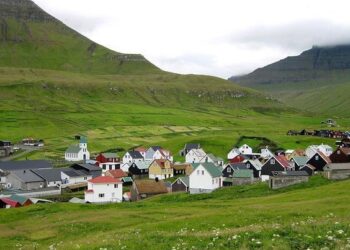
Russia is considering retaliatory measures in response to what it has described as the Faroe Islands’ “unprecedented” sanctions. The move follows escalating tensions over fishing rights and geopolitical disputes in the North Atlantic. As Moscow evaluates its options, the potential for further economic and diplomatic fallout is rising, with implications for regional stability and international fisheries management.
Russia Considers Strategic Responses to Faroe Islands Sanctions Impacting Fisheries
In response to the newly imposed sanctions by the Faroe Islands, which have targeted key sectors of Russia’s fisheries industry, Moscow is actively reviewing a range of strategic countermeasures. Officials from the Russian Ministry of Agriculture and the Foreign Ministry are reportedly coordinating to assess the full scope of economic and diplomatic reprisals. Among the options under consideration are restrictions on Faroese imports to Russia and the potential suspension of joint fishing agreements in the strategically valuable North Atlantic waters.
Key potential Russian responses include:
- Imposition of tariffs and import bans on Faroese fish products
- Diplomatic pressure through regional Arctic cooperation forums
- Enhanced support and subsidies for domestic fisheries affected by sanctions
- Legal challenges at international trade organizations
| Response Option | Expected Impact | Timeline |
|---|---|---|
| Trade Restrictions | Immediate reduction in Faroese export volumes to Russia | Within 1-3 months |
| Diplomatic Engagement | Pressure on Faroese government to reconsider sanctions | 3-6 months |
| Subsidies Boost | Support for Russian fishermen to counter losses | Ongoing |
| Legal Action | Potential dispute in WTO or similar bodies | 6-12 months and beyond |
Analyzing the Economic and Diplomatic Implications of Faroe Islands Measures on Russian Trade
The Faroe Islands’ recent clampdown on Russian trade has sent ripples across Northern Europe, challenging existing economic ties and signaling a profound shift in regional diplomacy. As an important supplier of fish and seafood, the Faroe Islands hold strategic leverage in key markets that Russia depends on for both imports and exports. The new restrictions-perceived by Moscow as unprecedented sanctions-could disrupt supply chains and increase operational costs for Russian fishing enterprises, potentially forcing a recalibration of trade routes and partnership strategies.
On the diplomatic front, this move threatens to escalate tensions between the Faroe Islands and Russia, possibly prompting retaliatory measures that may extend beyond immediate trade concerns. Analysts highlight several potential consequences:
- Reduced access to critical Arctic fisheries for Russian vessels
- Heightened political strain with European Union states allied with the Faroe Islands
- Acceleration of Russia’s pivot toward alternative trading partners in Asia
| Aspect | Potential Impact |
|---|---|
| Economic | Supply bottlenecks and revenue loss for Russian fisheries |
| Diplomatic | Strained bilateral relations and possible retaliatory sanctions |
| Geopolitical | Shift in regional alliances and increased Arctic tensions |
Recommendations for Stakeholders Navigating Heightened Tensions in Arctic Fishing Rights
In the current climate of escalating disputes over Arctic fishing rights, it is crucial for all parties involved to approach negotiations with a combination of firmness and diplomacy. Stakeholders must prioritize transparent communication channels to prevent misunderstandings that could exacerbate tensions. Establishing multilateral forums specifically designed for Arctic resource management can serve as essential platforms for dialogue, enabling both state and non-state actors to raise concerns and propose cooperative frameworks. Key strategic actions include:
- Engaging in confidence-building measures such as joint research initiatives
- Respecting existing international maritime laws and agreements to maintain legitimacy
- Investing in conflict prevention mechanisms to pre-empt economic disruption
Given the sensitive geopolitical landscape, stakeholders should also be prepared to adopt flexible approaches that balance national interests with regional stability. Employing an evidence-driven assessment of fish stocks and environmental impacts can help frame negotiations within a sustainable and scientific context, defusing politically charged rhetoric. The table below outlines a suggested framework for stakeholder engagement designed to optimize cooperation while minimizing retaliatory risks:
| Engagement Area | Recommended Action | Expected Outcome | |||||||
|---|---|---|---|---|---|---|---|---|---|
| Diplomatic Dialogue | Regular multilateral meetings | Enhanced mutual understanding | |||||||
| Environmental Science | Joint stock assessments | Sustainable resource management | |||||||
In the current climate of escalating disputes over Arctic fishing rights, it is crucial for all parties involved to approach negotiations with a combination of firmness and diplomacy. Stakeholders must prioritize transparent communication channels to prevent misunderstandings that could exacerbate tensions. Establishing multilateral forums specifically designed for Arctic resource management can serve as essential platforms for dialogue, enabling both state and non-state actors to raise concerns and propose cooperative frameworks. Key strategic actions include:
Given the sensitive geopolitical landscape, stakeholders should also be prepared to adopt flexible approaches that balance national interests with regional stability. Employing an evidence-driven assessment of fish stocks and environmental impacts can help frame negotiations within a sustainable and scientific context, defusing politically charged rhetoric. The table below outlines a suggested framework for stakeholder engagement designed to optimize cooperation while minimizing retaliatory risks:
|