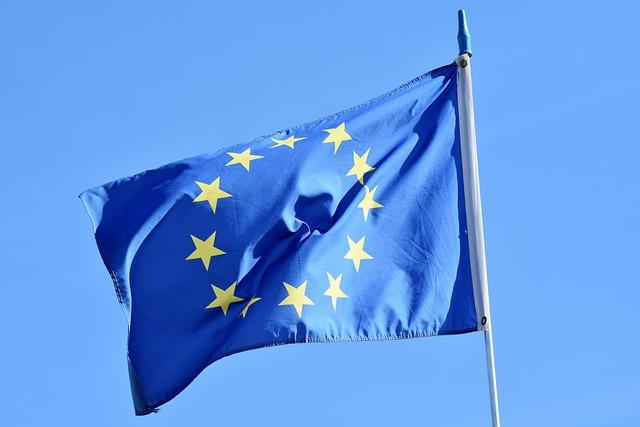
The European External Action Service (EEAS) has unveiled the 2025 Enlargement Package, signaling renewed momentum in the European Union’s efforts to integrate key enlargement partners. The report highlights significant advancements in the accession processes of candidate and potential candidate countries, reflecting the EU’s commitment to a broader, more united Europe. As geopolitical challenges persist, the package underscores both the progress achieved and the path ahead for nations aspiring to join the Union, marking a pivotal moment in the bloc’s enlargement agenda.
2025 Enlargement Package Highlights Milestones for Western Balkans and Eastern Partnership Countries
The latest enlargement package unveils significant achievements for both Western Balkans and Eastern Partnership countries, underlining the European Union’s steadfast commitment to integration and cooperation. Key milestones include enhanced bilateral dialogue, successful implementation of reform agendas, and continued progress in the rule of law, democracy, and economic development. These advancements consolidate trust and mutual understanding, reinforcing the pathway to eventual EU membership for these strategic partners.
Highlights from the 2025 package:
- Accelerated adoption of EU acquis chapters by candidate countries
- Improved regional cooperation and connectivity projects
- Increased focus on justice system reforms and anti-corruption measures
- Enhanced support for climate change adaptation and digital transformation
| Country | Reform Progress | Next Steps |
|---|---|---|
| North Macedonia | Substantial in judiciary and public administration | Opening new negotiation chapters |
| Georgia | Notable in anti-corruption and electoral reforms | Enhanced EU budget support |
| Albania | Steady progress in rule of law | Preparing roadmap for transport connectivity |
| Moldova | Advancements in energy diversification | Strengthened regional partnerships |
Deep Dive into Reforms Driving EU Membership Progress
Significant reforms underpin the steady momentum towards full EU membership, with the 2025 Enlargement Package highlighting transformative changes across critical sectors. Key partners have focused on enhancing rule of law mechanisms, strengthening judicial independence, and advancing anti-corruption frameworks. These efforts demonstrate a clear commitment to align national policies with EU standards, facilitating smoother integration. Additionally, robust economic reforms aimed at improving market competitiveness and sustainable development show promising outcomes, reflecting an unwavering dedication to fiscal responsibility and social cohesion.
Among the most noteworthy achievements are comprehensive digital transformation initiatives, which have modernized public administration and boosted transparency. The reforms also encompass environmental policies designed to meet the EU’s Green Deal targets, promoting renewable energy and reducing carbon footprints. To illustrate, the table below summarizes the core reform areas and their impact on the accession timeline:
| Reform Area | Status | Projected Impact |
|---|---|---|
| Judicial Reform | Advanced | Enhanced legal standards |
| Anti-Corruption Measures | Ongoing | Improved governance |
| Economic Restructuring | Progressing | Stronger market resilience |
| Digital Public Services | Implemented | Greater transparency |
| Environmental Policies | Developing | Alignment with EU climate goals |
- Rule of Law: Strengthened frameworks to ensure judicial accountability.
- Economic Growth: Reforms aimed at market liberalization and investment attraction.
- Digitalization: Modernized government services enhancing citizen engagement.
- Environmental Sustainability: Policies targeting emissions reduction and renewable adoption.
Summary of EU Membership Reform Progress (2025 Enlargement Package)
Significant reforms are driving steady momentum toward full EU membership, focusing on aligning national policies with EU standards across various sectors:
- Rule of Law Enhancements:
– Strengthened judicial independence and accountability.
– Advanced judicial reform and ongoing anti-corruption measures to improve governance.
- Economic Reforms:
– Market liberalization and investment attraction.
– Progressing economic restructuring aimed at stronger market resilience and sustainable development.
- Digital Transformation:
– Implementation of digital public services modernizing administration.
– Increased transparency and citizen engagement.
- Environmental Policies:
– Development aimed at meeting the EU Green Deal targets.
– Focus on renewable energy adoption and reducing carbon emissions, aligning with EU climate goals.
Reform Status and Projected Impact:
| Reform Area | Status | Projected Impact |
|———————-|————–|——————————-|
| Judicial Reform | Advanced | Enhanced legal standards |
| Anti-Corruption Measures | Ongoing | Improved governance |
| Economic Restructuring | Progressing | Stronger market resilience |
| Digital Public Services| Implemented | Greater transparency |
| Environmental Policies | Developing | Alignment with EU climate goals|
These transformative changes underscore a commitment to fiscal responsibility, social cohesion, and a smoother integration process with the EU ahead of the 2025 enlargement timeline.
Strategic Recommendations to Accelerate Integration and Strengthen Democratic Institutions
To ensure swift progress towards EU membership, enlargement partners are urged to prioritize comprehensive reforms targeting institutional resilience and democratic accountability. Key actions include enhancing judicial independence, promoting transparent electoral processes, and strengthening anti-corruption frameworks. These strategic measures will create fertile ground for inclusive governance and citizen trust, serving as cornerstones for long-term stability within candidate countries.
In parallel, fostering deeper regional cooperation and aligning local policies with EU standards remain essential. Support mechanisms such as tailored capacity-building programs and increased financial aid are recommended to empower reform efforts effectively. Below is a concise overview of strategic focus areas and corresponding priority actions:
| Focus Area | Priority Actions |
|---|---|
| Judicial Reform |
|
| Democratic Governance |
|
| Regional Cooperation |
|
To Wrap It Up
As the European Union unveils its 2025 Enlargement Package, the progress reported by the EEAS underscores a renewed commitment to bringing key enlargement partners closer to membership. While challenges remain, the developments highlighted in the package mark a significant step forward in the EU’s ongoing efforts to promote stability, democracy, and cooperation across the region. Stakeholders and observers alike will be watching closely as these partnerships continue to evolve in the months ahead, shaping the future landscape of the European Union.