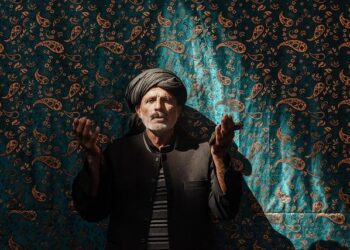
Albania is facing a pivotal moment in its ongoing efforts to reintegrate returnees and strengthen ties with its global diaspora. As thousands of Albanian nationals return home amid shifting economic and social landscapes, the government and civil society organizations grapple with complex challenges-from employment and housing shortages to social inclusion and identity preservation. At the same time, the country’s extensive diaspora presents unique opportunities for economic development, investment, and cultural exchange. This article explores the multifaceted dynamics of returnee integration and diaspora engagement in Albania, highlighting both the obstacles that must be overcome and the potential pathways toward sustainable progress.
Challenges Facing Returnees in Accessing Employment and Social Services in Albania
Returnees in Albania encounter a complex web of obstacles that hinder their successful reintegration into the labor market and access to essential social services. Many face administrative barriers, such as difficulties in obtaining valid documentation and recognition of foreign qualifications, which delay or prevent their employment opportunities. Moreover, the lack of tailored job placement programs and limited vocational training options exacerbate unemployment risks among these groups. Discrimination and social stigma further compound these issues, particularly for those returning from western European countries, creating an environment where their skills and experiences are undervalued.
Access to social services is equally challenging due to systemic gaps and insufficient support mechanisms. Returnees often report bureaucratic hurdles in accessing healthcare, social housing, and pension entitlements, which disproportionately affect vulnerable groups including women, youth, and persons with disabilities. The following factors particularly impede integration:
- Fragmented coordination between governmental agencies and non-governmental organizations
- Limited outreach and information dissemination about available resources
- Inadequate psychological and social counseling services
| Challenge | Impact | Target Group |
|---|---|---|
| Documentation Delays | Employment postponement | All returnees |
| Qualification Recognition | Mismatch in job skills | Skilled professionals |
| Healthcare Access | Increased health risks | Chronic patients & elderly |
| Social Bias | Social exclusion | Youth and minorities |
Leveraging Diaspora Networks for Economic Development and Innovation
Albania’s vibrant diaspora represents a wealth of untapped potential that, if strategically engaged, can catalyze economic growth and foster innovation across multiple sectors. Members of the diaspora often accumulate valuable skills, capital, and international business networks that can be parlayed into local entrepreneurship, job creation, and knowledge transfer. However, existing efforts to harness these resources face challenges related to bureaucratic hurdles, lack of institutional support, and limited communication channels between returnees and domestic stakeholders. Strengthening frameworks that facilitate seamless collaboration and incentivize diaspora entrepreneurship is essential to unlock these opportunities.
Key areas of focus to optimize diaspora impact include:
- Developing targeted investment schemes and simplified regulatory processes to encourage returnee-led startups.
- Establishing knowledge-sharing platforms that connect diaspora experts with local innovators and policymakers.
- Enhancing mentorship and skill development programs tailored to the unique strengths of returnees.
- Improving access to financial services for diaspora entrepreneurs looking to launch ventures in Albania.
| Opportunity | Challenge | Proposed Solution |
|---|---|---|
| Capital Investment | Complex banking procedures | Streamlined financial gateway for diaspora |
| Skill Transfer | Weak institutional coordination | Establishment of diaspora liaison offices |
| Innovation Networks | Limited tech infrastructure | Public-private partnerships to upgrade facilities |
Policy Recommendations to Enhance Reintegration and Strengthen Diaspora Engagement
To foster successful reintegration for returnees and amplify the impact of diaspora contributions, policymakers should prioritize holistic support systems that address economic, social, and legal challenges simultaneously. Key initiatives include establishing comprehensive skill-matching programs that link returnees with local labor market opportunities, alongside streamlined access to microfinance and entrepreneurship support. Creating community-based networks can also play a crucial role in easing social adaptation, while localized legal aid centers must assist with documentation and rights protection. Finally, integrating digital platforms will promote continuous engagement by connecting the diaspora with ongoing developments and investment opportunities within Albania.
- Develop targeted vocational training aligned with market demands
- Facilitate partnerships between diaspora organizations and local governments
- Implement data-driven monitoring to assess reintegration success
- Expand bilateral agreements to ensure returnee rights and benefits
| Policy Area | Recommended Action | Expected Impact |
|---|---|---|
| Economic Empowerment | Microcredit schemes tailored for returnees | Increased employment and entrepreneurship |
| Social Cohesion | Community mentorship initiatives | Smoother social reintegration |
| Legal Assistance | Dedicated legal aid centers in high-return regions | Improved legal protection and access to rights |
| Digital Engagement | Online diaspora investment portals | Enhanced diaspora participation in local development |
Insights and Conclusions
As Albania continues to navigate the complexities of returnee integration and diaspora engagement, the path forward remains both challenging and promising. Addressing issues such as social inclusion, economic opportunity, and effective policy implementation will be crucial in harnessing the full potential of returnees and the diaspora community. With sustained commitment from government authorities, civil society, and international partners, Albania can transform these hurdles into avenues for growth and national development. The coming years will be critical in shaping a more inclusive and prosperous future for all Albanians at home and abroad.