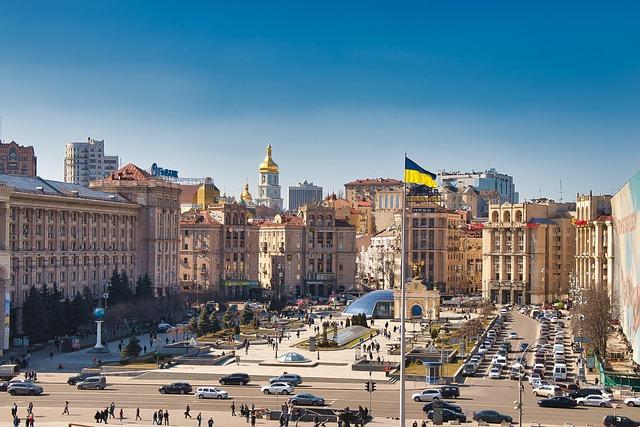
As the conflict in Ukraine continues to reshape geopolitical alliances and redefine notions of sovereignty, international observers are increasingly drawing parallels to other contested regions. Among these, Kosovo’s complex path to independence is emerging as a possible framework for Kyiv’s strategy amid escalating tensions with Russia. In a recent Foreign Policy analysis, experts argue that Ukraine’s approach to its territorial disputes may find inspiration in the precedent set by Kosovo, highlighting both the opportunities and challenges of seeking international recognition in a divided world.
Ukraine’s Strategic Parallels with Kosovo’s Path to Independence
Drawing from Kosovo’s experience, Ukraine’s pursuit of sovereignty reveals several notable strategic parallels that could inform its future diplomatic and geopolitical maneuvers. Both entities faced significant resistance from dominant neighbors while appealing to the international community to legitimize their self-determination claims. Kosovo’s success hinged on a combination of international military intervention, targeted economic sanctions against Serbia, and relentless diplomatic lobbying, setting a precedent that Ukraine can adapt amid ongoing conflicts with Russia. Moreover, the effective use of narrative framing-highlighting humanitarian crises and democratic aspirations-helped galvanize global support, an approach that resonates powerfully in Kyiv’s current foreign policy toolkit.
Key similarities include:
- Leveraging international organizations for recognition and support
- Utilizing legal arguments centered on self-determination and human rights
- Emphasizing the importance of multilateral military and economic pressure
- Building robust networks of diaspora and advocacy groups abroad
| Aspect | Kosovo | Ukraine |
|---|---|---|
| Conflict Trigger | Ethnic tensions, Serbian oppression | Territorial sovereignty, Russian aggression |
| International Support | NATO intervention, EU recognition | Western sanctions, diplomatic alliances |
| Legal Framework | UN Security Council Resolution 1244 | UN Charter, Budapest Memorandum |
| Outcome | Declared Independence, Partial recognition | Ongoing conflict, Growing diplomatic recognition |
Implications of International Recognition and Diplomatic Challenges
International recognition remains one of the most contentious obstacles for Ukraine as it seeks to navigate the complexities of its territorial integrity and sovereignty. The precedent set by Kosovo’s declaration of independence demonstrates that global acknowledgement is neither guaranteed nor uniform; instead, it is deeply entangled with geopolitical interests and alliances. For Kyiv, gaining widespread diplomatic support is crucial, yet the persistent divisions among world powers complicate this endeavor. Some nations view a parallel with Kosovo as a legitimizing framework, while others fear that such recognition could embolden separatist movements worldwide, thereby threatening their own territorial cohesion.
The diplomatic challenges Ukraine faces include:
- Balancing relations with key international actors such as Russia, the EU, and the United States
- Managing the hesitance of countries wary of setting a precedent for contested regions
- Addressing concerns around the lasting stability and governance of territories under dispute
| Country/Group | Recognition Stance | Key Diplomatic Position |
|---|---|---|
| United States | Supportive | Advocates for Ukraine’s sovereignty and territorial defense |
| European Union | Divided | Calls for dialogue but cautious due to internal member differences |
| Russia | Opposed | Rejects recognition; views Ukraine’s moves as Western encroachment |
| Non-Aligned Countries | Neutral/Undecided | Prioritize sovereignty but weigh risks of escalation |
Policy Recommendations for Strengthening Ukraine’s Sovereignty Case
To reinforce Ukraine’s international position, a multifaceted approach is critical. First, sustained diplomatic engagement with Western allies should prioritize securing legally binding commitments that affirm Ukraine’s sovereignty and territorial integrity. This includes pushing for enhanced sanctions regimes targeting entities undermining Ukraine’s statehood, as well as advocating for increased military and intelligence support to deter further aggression. Additionally, Ukraine must leverage its narrative by drawing parallels with Kosovo’s internationally backed path to sovereignty, aiming to galvanize broader recognition and legitimacy on the global stage.
Key strategic actions include:
- Accelerating efforts to join multilateral organizations to solidify international legal status
- Expanding strategic communications to highlight parallels with contested sovereignty cases such as Kosovo
- Strengthening internal governance reforms to present a resilient and democratic face to the international community
- Enhancing cyber defense capabilities to protect sovereignty in the digital realm
| Policy Focus | Expected Impact |
|---|---|
| International Legal Recognition | Increased diplomatic backing and legal precedents |
| Military Assistance | Enhanced deterrence against territorial incursions |
| Governance Reform | Strengthened legitimacy and internal stability |
| Information Campaigns | Broader public support in Western capitals |
In Summary
As the conflict in Ukraine continues to reshape geopolitical alliances and international norms, comparisons to Kosovo’s path to independence offer a complex lens through which to assess potential resolutions. While the situation remains fluid, policymakers and analysts alike will be watching closely to see whether Kyiv’s strategy aligns with prior precedents or charts an entirely new course. Ultimately, the unfolding developments will not only determine Ukraine’s future sovereignty but may also redefine the norms of statehood and recognition in a deeply interconnected world.