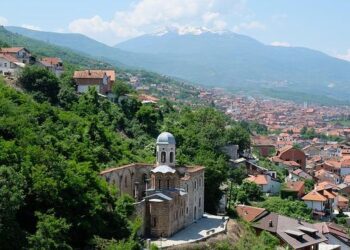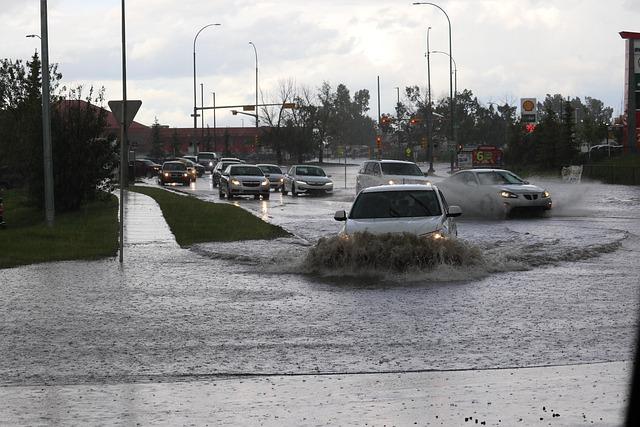
Severe flooding has struck Kosovo, causing widespread damage and disruption across the region. Torrential rains have led to rapidly rising water levels, overwhelming rivers and infrastructure, and forcing thousands of residents to evacuate their homes. Emergency services are working around the clock to provide aid and assess the full extent of the devastation. Authorities have warned that the situation remains critical as weather forecasts predict continued heavy rainfall in the coming days. This developing crisis highlights the urgent need for improved flood management and disaster preparedness in the Balkans.
Severe Flooding Devastates Kosovo Communities and Infrastructure
Torrential rains over the past week have led to unprecedented water levels in rivers across Kosovo, causing widespread destruction to both urban and rural areas. Entire neighborhoods have been submerged, forcing thousands to evacuate as emergency services race to contain the escalating situation. Critical infrastructure including roads, bridges, and utilities have suffered severe damage, complicating relief efforts and isolating some of the hardest-hit communities. The Kosovar government has declared a state of emergency while coordinating with international aid agencies to provide immediate assistance.
Early assessments reveal the extent of the devastation:
- Over 10,000 homes damaged or destroyed
- 150 kilometers of roadways rendered impassable
- Numerous schools and hospitals experiencing significant operational disruptions
- Crops and livestock losses threatening local food security
| Region | Homes Affected | Days Without Power |
|---|---|---|
| Pristina | 3,200 | 2 |
| Mitrovica | 2,750 | 3 |
| Peja | 1,900 | 4 |
| Gjilan | 2,100 | 2 |
Emergency Response Efforts Intensify as Residents Face Displacement and Health Risks
Local authorities and international agencies have ramped up emergency operations to assist thousands affected by the unprecedented flooding across Kosovo. Rescue teams are working around the clock, deploying boats and helicopters to evacuate residents trapped by rising waters in several towns and rural villages. Essential supplies such as food, clean water, and medical aid are being delivered to shelters set up in safe locations, while temporary housing solutions are being explored to accommodate displaced families. The coordination between government units and humanitarian organizations is critical as floodwaters continue to threaten infrastructure and daily life.
Health officials are voicing concerns over potential outbreaks of waterborne diseases due to prolonged exposure to contaminated floodwaters and limited access to sanitation facilities. Rapid response medical units have been dispatched to affected areas to provide vaccinations, conduct health screenings, and distribute hygiene kits. The following table summarizes the key emergency response efforts underway:
| Response Area | Actions Taken | Current Status |
|---|---|---|
| Evacuation | Boat & helicopter rescue missions | Ongoing |
| Medical Aid | Mobile clinics & hygiene kit distribution | Deployed |
| Shelter | Temporary housing & supply distribution | Expansion underway |
| Water Safety | Testing & purification efforts | In progress |
- Emergency hotlines have been established for affected residents seeking assistance.
- Public advisories warn of continued flooding and urge caution near swollen rivers and damaged roads.
- Volunteer networks are mobilizing community support and resource distribution.
Experts Urge Immediate Investment in Flood Prevention and Climate Resilience Strategies
Authorities and environmental specialists highlight an urgent need for enhanced funding and strategic planning to combat the increasing risks posed by severe flooding events like those currently devastating Kosovo. Recent climatic shifts have intensified weather unpredictability, making floods more frequent and damaging. Experts emphasize that without immediate action, both human lives and critical infrastructure remain dangerously exposed to future disasters. Key recommendations include upgrading existing drainage systems, implementing sustainable land management, and investing in early warning technologies to safeguard vulnerable communities.
In a recent briefing, climate scientists detailed a series of preventive measures that could significantly reduce economic losses and preserve ecosystems. These strategies focus on:
- Restoration of natural floodplains to absorb excess water
- Urban planning reforms to restrict construction in high-risk zones
- Community education programs promoting preparedness and resilience
- Government partnerships with international bodies to secure financial and technical support
| Strategy | Benefit | Priority Level |
|---|---|---|
| Floodplain Restoration | Absorbs runoff, reduces flood peaks | High |
| Urban Planning Reform | Limits flood risk in populated areas | High |
| Community Education | Improves response and recovery efforts | Medium |
| International Partnerships | Secures funding and expertise | Medium |
Final Thoughts
As Kosovo continues to grapple with the aftermath of severe flooding, emergency services remain on high alert, working tirelessly to assist affected communities and restore critical infrastructure. Authorities have urged residents to stay informed and exercise caution as recovery efforts proceed. The full extent of the damage is still being assessed, with international support expected to play a key role in the region’s rebuilding process. CNN will continue to monitor the situation and provide updates as they develop.