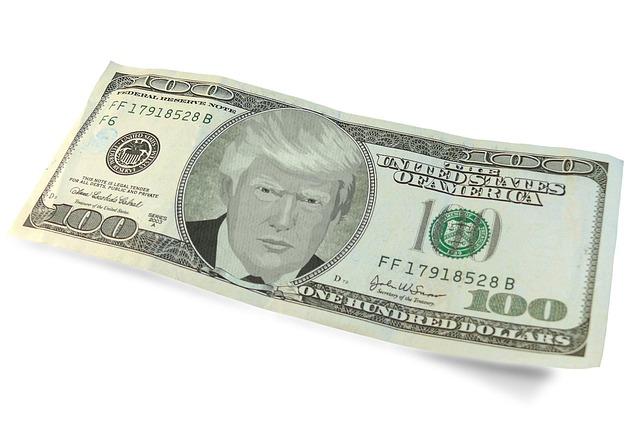
In the wake of former President Donald Trump’s intensified pressure on the Cuban government, hopes are rising among the Cuban diaspora in Spain. Amid decades of political and economic challenges on the island, Trump’s hardline approach has reignited discussions within the expatriate community about potential change and renewed ties. This article explores how the Cuban population in Spain is responding to recent developments in U.S.-Cuba relations and the impact of policies aimed at increasing pressure on Havana.
Trump’s Pressure on Havana Revives Political Activism Among Cuban Exiles in Spain
The recent uptick in U.S. sanctions and diplomatic pressure under the Trump administration has rekindled a sense of urgency among Cuban exiles residing in Spain. Many feel this intensified stance offers a renewed pathway to challenge the long-standing Cuban regime, which has been stalled under years of diplomatic inertia. Spanish-based activists have organized protests, informational campaigns, and fundraising events, aiming to amplify their voices and influence both Spanish and European Union policies toward Cuba. The diaspora community sees this moment as pivotal to pushing for democratic reforms and increased human rights protections on the island.
Key strategies currently employed by Cuban exile groups in Spain include:
- Lobbying Spanish lawmakers and EU representatives
- Coordinating with U.S. organizations to sustain pressure on Havana
- Utilizing digital platforms to raise international awareness
- Engaging the younger Cuban generation born overseas
These efforts have fostered a vibrant network of politically active individuals who are redefining exile activism in the 21st century. Their collaborative approach is charting a new course for solidarity and engagement, seeking to transform political frustration into tangible policy outcomes.
| Activity | Target | Impact |
|---|---|---|
| Protests | Spanish Government | Raised awareness on Cuban repression |
| Lobbying | European Parliament | Proposed resolutions supporting Cuban democracy |
| Social Media Campaigns | Global Audience | Increased international solidarity |
Economic Sanctions and Their Impact on Cuba’s Domestic Stability
The prolonged economic sanctions imposed by the United States have significantly strained Cuba’s economy, exacerbating shortages and curbing access to essential goods and international markets. These measures have intensified inflation and caused considerable disruptions in key sectors such as healthcare, agriculture, and energy. Many Cuban households are grappling with limited resources, leading to increased social tension and unrest across the island. The restrictions on remittances have further deepened economic hardships, directly impacting families who rely on financial support from relatives abroad, especially in countries like Spain, where a sizable Cuban diaspora resides.
Despite these economic challenges, domestic stability has shown signs of wavering complacency, as communities adapt to the persistent pressure through alternative means. The government’s ability to maintain control is continuously tested by:
- Increased black market activities as citizens seek basic necessities.
- Growing informal networks for trade and communication with the outside world.
- Heightened social discontent manifesting in sporadic protests and calls for reform.
The interplay between sanctions and domestic response illustrates a complex landscape where economic hardship fuels calls for change, but the risk of instability remains a pressing concern for the Cuban authorities.
| Sector | Impact Level | Key Challenge |
|---|---|---|
| Healthcare | High | Shortage of medical supplies |
| Agriculture | Medium | Limited access to fuel and fertilizers |
| Energy | High | Unreliable electricity supply |
| Remittances | Critical | Restrictions on money transfers |
Strategic Recommendations for Spain’s Cuban Community to Engage Policymakers
To maximize influence within Spain’s political ecosystem, the Cuban diaspora must adopt a multifaceted approach targeting key policymakers. Building alliances with Spanish lawmakers who are sympathetic to human rights and democratic reforms in Cuba is essential. Engaging in regular dialogue through organized forums or roundtables can elevate the community’s visibility and ensure Cuban issues remain on the legislative agenda. Additionally, leveraging media partnerships to amplify Cuban voices in Spain will create broader public pressure, encouraging policymakers to adopt a stronger stance against the Havana regime.
Proactive strategies such as mobilizing grassroots campaigns and providing well-researched policy briefs tailored to Spanish government priorities will enhance lobbying effectiveness. Below is a breakdown of critical engagement tactics recommended for the Cuban community:
| Strategy | Action Steps | Expected Outcome |
|---|---|---|
| Lawmaker Partnerships | Identify & meet relevant MPs, arrange advocacy events | Strengthened legislative support on Cuba-related issues |
| Policy Briefs | Produce concise, data-driven documents for government use | Informed policymaking reflecting community interests |
| Media Outreach | Coordinate opinion pieces, interviews in Spanish outlets | Enhanced public awareness and empathy |
| Grassroots Mobilization | Organize demonstrations, petitions among diaspora members | Visible momentum influencing public discourse |
In Retrospect
As the situation between the United States and Cuba continues to evolve under former President Trump’s policies, the Cuban diaspora in Spain remains watchful and hopeful. Their responses underscore the complex interplay of international diplomacy and the enduring desire for change on the island. How these pressures will shape Cuba’s future-and the broader region-remains to be seen, but for many in the diaspora, the hope for progress and greater freedom endures.