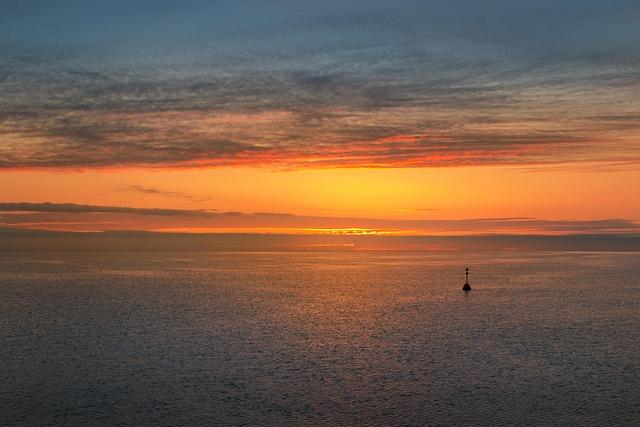
The Baltic Sea is currently experiencing one of the lowest water levels in recorded history, raising concerns among environmental experts and local communities alike. Recent measurements indicate a significant drop that could impact maritime navigation, ecosystems, and regional economies. Authorities and scientists are closely monitoring the situation as efforts to understand the underlying causes intensify. This unprecedented development highlights the growing challenges posed by climate variability and human activity in the Baltic region.
Baltic Sea Water Levels Reach Historic Low Impacting Regional Ecosystems
Recent measurements reveal that the Baltic Sea’s water levels have plummeted to some of the lowest points ever recorded, triggering widespread concern among environmentalists and regional authorities. This unprecedented drop is primarily attributed to a combination of prolonged dry weather, reduced river inflows, and shifting wind patterns. The consequences extend beyond mere numbers; critical habitats for numerous fish species, migratory birds, and marine flora are under unprecedented stress, threatening the delicate balance of the Baltic ecosystem.
Experts warn that if the trend continues, we could witness severe disruptions in:
- Fish breeding cycles: Shallow waters limit spawning grounds, affecting population sustainability.
- Wetland ecosystems: Lower water levels endanger coastal reeds and marshes, vital for biodiversity.
- Shipping and local economies: Navigational routes become riskier, impacting trade and tourism.
| Parameter | Current Level | Historical Average |
|---|---|---|
| Water Level (meters) | −0.45 | 0.10 |
| Surface Area Exposed (km²) | 750 | 350 |
| Impact Zones Identified | 15 | 7 |
Experts Analyze Causes Behind Unprecedented Drop in Baltic Sea Height
Hydrologists and climate experts point to a complex interplay of factors responsible for this historic decline. Among the primary contributors is an extended period of reduced precipitation in the Baltic Sea catchment area, leading to diminished freshwater inflow. Simultaneously, stronger-than-average north-easterly winds have pushed surface waters away from the coastline, amplifying the drop in local water levels. Experts also highlight the role of lower river discharges and a possible shift in large-scale atmospheric patterns, such as the North Atlantic Oscillation, influencing regional weather conditions for prolonged dry spells.
Additional analysis reveals several environmental and anthropogenic elements at play:
- Increased evaporation rates due to unseasonably warm temperatures over the last 12 months
- Reduced ice melt contributions in early spring affecting seasonal water balance
- Changes in groundwater levels impacting the inflow to coastal bays
- Human water usage in surrounding countries, including agriculture and industry
| Factor | Impact | Estimated Contribution |
|---|---|---|
| Precipitation Deficit | Lower river runoff | 40% |
| Wind Patterns | Water displacement offshore | 25% |
| Evaporation | Increased water loss | 20% |
| Human Activity | Water consumption | 10% |
| Other Factors | Groundwater and ice melt variations | 5% |
Urgent Measures Recommended to Mitigate Environmental and Economic Risks
The unprecedented drop in the Baltic Sea’s water level demands immediate action to prevent long-term environmental degradation and economic fallout. Experts emphasize the importance of enhanced water management protocols, including stricter regulation of freshwater usage in surrounding countries and the implementation of sustainable agricultural practices to reduce runoff that disrupts natural water balance. Coastal communities should be equipped with advanced monitoring systems to detect rapid changes and respond promptly to emerging threats such as shoreline erosion and habitat loss for marine species.
In parallel, it is critical to introduce policies that support economic resilience, especially for industries dependent on the Baltic Sea, such as fisheries, tourism, and shipping. Authorities are urged to collaborate on a regional scale, focusing on:
- Emergency funding for affected local businesses
- Investment in infrastructure to safeguard ports and waterways
- Promotion of innovative water conservation technologies
- Public awareness campaigns on the severity of the situation
| Action Area | Immediate Goal | Expected Impact |
|---|---|---|
| Water Management | Reduce freshwater extraction | Stabilize sea levels |
| Economic Aid | Support coastal industries | Prevent job losses |
| Infrastructure | Strengthen port facilities | Enhance shipping safety |
| Public Engagement | Raise environmental awareness | Mobilize community action |
Future Outlook
As water levels in the Baltic Sea reach some of the lowest points in recorded history, concerns about the environmental and economic impacts continue to grow. Experts emphasize the need for ongoing monitoring and adaptive measures to address the challenges posed by these fluctuations. The situation underscores the broader effects of climate variability on regional ecosystems and maritime activities, making it a critical issue for policymakers and coastal communities alike.