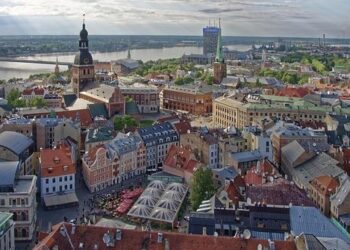
Latvia is set to establish its first-ever anti-tank mine production facility within the next two years, according to announcements reported by the Baltic News Network. The move marks a significant development in the country’s defense manufacturing capabilities amid rising regional security concerns. Officials highlight that the new facility will bolster Latvia’s military readiness and contribute to the broader Baltic defense strategy. Details on the project’s scope, expected output, and strategic implications are beginning to take shape as the plan advances toward implementation.
Planned Anti Tank Mine Factory in Latvia Raises Regional Security Concerns
The announcement of a new facility dedicated to the production of anti-tank mines in Latvia has ignited a wave of discussions across the Baltic region. Strategically positioned as a buffer zone, Latvia’s move is viewed by some neighboring countries as a provocative measure potentially escalating military tensions. Experts warn that while the factory aims to bolster national defense capabilities, it may inadvertently trigger an arms race and destabilize the delicate security balance in the area.
Several key concerns have been highlighted by regional analysts and policymakers, including:
- Increased militarization: Amplification of armed presence could lead to heightened surveillance and stricter border controls.
- Risk of spillover conflict: Proximity to contested zones raises fears of accidental engagements or misunderstandings.
- Diplomatic strains: Potential for diminished cooperation within Baltic and Nordic defense alliances.
| Aspect | Potential Impact |
|---|---|
| Local Economy | Job creation vs. dependence on defense contracts |
| Security Dynamics | Enhanced deterrence vs. increased regional tensions |
| International Relations | Strengthened alliances vs. strained neighborly ties |
Economic Benefits and Potential Risks of Latvia’s New Defense Manufacturing Facility
The establishment of Latvia’s new defense manufacturing facility dedicated to anti-tank mine production presents significant economic advantages for the country. Primarily, it is expected to generate a substantial number of local jobs, ranging from skilled technicians to administrative roles, thus bolstering the region’s employment rates. Furthermore, the facility is poised to attract investment and foster partnerships with both domestic and international defense contractors, potentially leading to a multiplier effect across Latvia’s supply chain sectors. The government projects that this initiative could increase industrial output by up to 15% within five years, contributing positively to GDP growth and technological innovation in the defense industry.
However, the project is not without its potential risks. There are concerns about environmental safety due to the hazardous materials involved in manufacturing anti-tank mines, which could pose long-term contamination challenges if not carefully managed. Additionally, geopolitical tensions could escalate if neighboring countries perceive Latvia’s enhanced defense capabilities as a threat, potentially affecting regional stability. Below is a summary of the main benefits and risks associated with the facility:
- Benefits: Job creation, economic growth, technological advancement, increased exports
- Risks: Environmental impact, geopolitical tensions, safety hazards, public opposition
| Aspect | Potential Impact | Mitigation Strategy |
|---|---|---|
| Employment | +500 new jobs | Skills training programs |
| Environmental Safety | Risk of contamination | Strict waste management |
| Regional Relations | Possible diplomatic strain | Transparency and dialogue |
Expert Recommendations for Transparency and International Oversight in Mine Production
Transparency measures are being called for by industry experts to ensure that the upcoming anti-tank mine production facility in Latvia operates under strict international scrutiny. Observers emphasize that real-time data sharing on production volumes, export destinations, and safety protocols should be publicly accessible. Transparency could act as a deterrent against potential misuse and help maintain regional stability.
Experts also advocate for robust international oversight mechanisms involving multi-lateral organizations such as the United Nations and the Organization for Security and Co-operation in Europe (OSCE). Proposed recommendations include:
- Mandatory reporting standards verified through independent audits
- Installation of on-site monitors representing international bodies
- Commitment to export controls aligned with arms trade treaties
| Recommendation | Expected Impact |
|---|---|
| Independent audits | Ensures factual reporting and inventory accuracy |
| International on-site monitoring | Prevents unauthorized production or stockpiling |
| Strict export controls | Reduces risk of proliferating to conflict zones |
Closing Remarks
As Latvia moves forward with plans to establish a domestic anti-tank mine production facility within the next two years, the development underscores the country’s efforts to bolster its defense capabilities amid ongoing regional security concerns. Further details regarding the project’s scope, timeline, and strategic impact are expected to emerge as the initiative progresses. Stakeholders and observers will be closely monitoring how this facility fits into broader Baltic and NATO defense strategies in the years ahead.