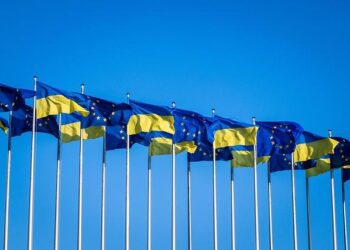
A recent report from the Munich Security Conference has issued a stark warning that Europe’s opportunity to effectively deter Russia is rapidly diminishing. As tensions persist over the conflict in Ukraine, experts caution that delays in political and military responses could undermine the continent’s ability to influence Moscow’s strategic calculations. The Munich Report underscores the urgency for unified action among European nations to bolster defense capabilities and diplomatic efforts before the window to prevent further aggression closes.
Munich Report Highlights Urgency of Strengthening European Defense Against Russia
The latest analysis calls attention to a rapidly narrowing opportunity for Europe to bolster its defense capabilities in response to increasing Russian assertiveness. Experts emphasize that without significant and immediate investment in military readiness and intelligence sharing, European nations risk losing the strategic leverage necessary to deter potential aggression. This urgency is compounded by evolving hybrid warfare tactics and the persistent threat of cyber operations targeting critical infrastructure.
Key recommendations in the report include:
- Enhanced interoperability among EU member state forces to ensure swift joint response.
- Increased budget allocations dedicated to modernizing air defense and cybersecurity defenses.
- Strengthening NATO coordination to maintain a unified front against external threats.
| Recommendation | Current Status | Target by 2025 |
|---|---|---|
| Military Spending (% of GDP) | 1.5% | 2.5% |
| Cyber Defense Units | 12 | 25 |
| Joint EU Exercises (Annual) | 3 | 8 |
Analysis of Moscow’s Expanding Military Capabilities and Strategic Intentions
Moscow has accelerated its military modernization program, focusing on advanced missile systems, cyber warfare capabilities, and rapid deployment forces. This development signals an intention to project power far beyond its borders and assert dominance in Eastern Europe. Analysts highlight that the integration of cutting-edge technologies-such as hypersonic weapons and unmanned aerial vehicles-into the Russian arsenal aims to undermine NATO’s conventional military advantages. The move also reflects a strategic shift toward multidomain operations designed to destabilize European security architectures.
Key elements of Russia’s expanding capabilities include:
- Expansion of nuclear-capable short- and medium-range missile batteries
- Enhanced electronic warfare units disrupting communications and intelligence gathering
- Upgrades to its Black Sea and Baltic naval fleets for greater regional influence
- Increased readiness of airborne rapid-response units near NATO borders
| Capability | Current Status | Projected Growth (2024-2026) |
|---|---|---|
| Hypersonic Missiles | Operational | +30% |
| Electronic Warfare Units | Significant Deployment | +25% |
| Rapid Deployment Forces | Partially Equipped | +40% |
| Black Sea Naval Assets | Modernizing | +15% |
Calls for Increased NATO Support and Enhanced Political Unity Among European Allies
The latest findings underscore a pressing demand among European capitals for more robust military assistance from NATO. As the geopolitical landscape grows increasingly volatile, experts warn that piecemeal efforts will no longer suffice. Coordination in defense spending, joint training exercises, and rapid deployment capabilities must be accelerated to reinforce the continent’s collective deterrence posture. Observers note that without a fortified NATO presence, Europe risks emboldening adversarial actions and destabilizing the region for years to come.
Beyond military reinforcement, political cohesion remains a critical pillar in facing external threats. Analysts emphasize that only through a unified front-characterized by shared intelligence, synchronized policies, and diplomatic solidarity-can European allies present an effective counterweight. The report highlights several key areas for immediate action:
- Enhanced communication channels between defense ministries
- Joint cybersecurity initiatives to guard against hybrid warfare
- Collective crisis management frameworks within the EU-NATO partnership
| Aspect | Current Status | Recommended Action |
|---|---|---|
| Defense Spending | Varied and inconsistent | Standardize commitment targets |
| Rapid Deployment | Limited interoperability | Expand joint exercises |
| Political Coordination | Fragmented policy approaches | Regular high-level summits |
Concluding Remarks
As the Munich Security Conference underscores, Europe’s opportunity to effectively deter Russian aggression is narrowing, with strategic choices made today likely to shape regional stability for years to come. Against a backdrop of escalating tensions and complex geopolitical challenges, policymakers face mounting pressure to act decisively. The coming months will prove critical in determining whether Europe can reinforce its defenses and diplomatic resolve before the window closes, leaving the continent vulnerable to further instability.