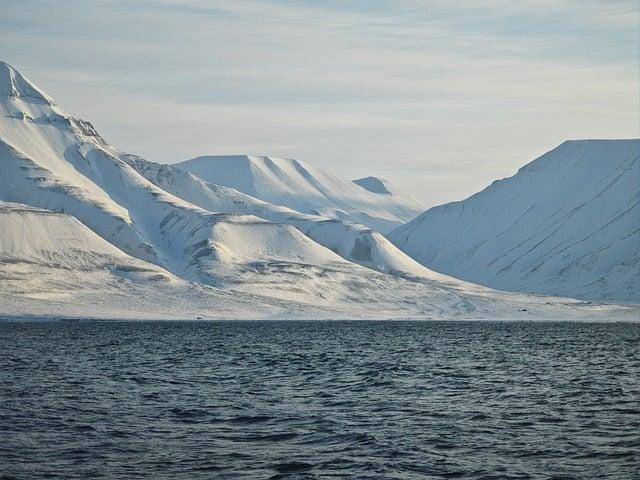
Nestled at the northernmost frontier of the globe and anchored near the southern tip of South America, Longyearbyen, Norway, and Ushuaia, Argentina, stand as distant counterparts on opposite ends of the Earth. Despite being separated by thousands of miles and vastly different cultures, these two remote cities share striking similarities-from their roles as gateways to polar wildernesses to the resilience of their communities living in extreme environments. National Geographic takes an in-depth look at how Longyearbyen and Ushuaia connect through geography, climate, and human spirit, revealing surprising commonalities that transcend hemispheres.
Arctic and Antarctic Frontiers Exploring the Unique Ecosystems of Longyearbyen and Ushuaia
Nestled at the fringes of the polar extremes, Longyearbyen in Svalbard and Ushuaia at the tip of Argentina serve as gateways to some of the planet’s most fragile and fascinating ecosystems. These remote towns, though thousands of kilometers apart, share a profound connection through their pristine environments shaped by extreme cold, unique daylight cycles, and specialized wildlife. In Longyearbyen, the Arctic wilderness is dominated by vast glaciers and tundra, home to polar bears, Arctic foxes, and migratory seabirds that rely on seasonal patterns of ice and ocean productivity. Meanwhile, Ushuaia offers a sub-Antarctic theater where Magellanic penguins, southern sea lions, and lenga forests thrive amidst the Beagle Channel’s cool waters and dramatic mountain landscapes.
Both regions play critical roles as ecological sentinels, revealing the early impacts of climate change through rising temperatures and melting ice. Their ecosystems are characterized by:
- Adaptive Wildlife: Species in both zones exhibit remarkable adaptations such as thick insulating fur, fat reserves, and seasonal migrations.
- Fragile Food Webs: Dependent heavily on the timing of phytoplankton blooms which sustain higher trophic levels.
- Protected Areas: Efforts to maintain biodiversity include strict conservation policies and sustainable ecotourism practices.
| Characteristic | Longyearbyen (Arctic) | Ushuaia (Antarctic) |
|---|---|---|
| Climate | Polar tundra, -10°C avg. winter | Subpolar oceanic, 2°C avg. winter |
| Iconic Wildlife | Polar bears, Arctic foxes | Magellanic penguins, sea lions |
| Daylight Patterns | 24 hrs daylight in summer, polar night in winter | Long summer days, short winter days |
| Human Influence | Mining history, expanding research | Tourism hub, maritime navigation |
Cultures at the Edge Examining Indigenous Heritage and Modern Life in Two Remote Communities
Perched at the planet’s extremes, Longyearbyen and Ushuaia offer an intriguing glimpse into how Indigenous heritage and modern realities coexist under challenging environmental conditions. Both communities are shaped by their harsh climates-Longyearbyen in the Arctic wilderness and Ushuaia at the southern tip of South America-but this isolation has only deepened their commitment to preserving ancient traditions. In Longyearbyen, the indigenous Sámi people maintain their reindeer herding culture, blending past and present through festivals and educational programs that promote environmental stewardship. Meanwhile, in Ushuaia, the Yaghan descendants continue to pass down oral histories and artisanal crafts that vividly illustrate their connection to the Tierra del Fuego archipelago.
Despite geographic and cultural differences, several key themes emerge from their stories:
- Resilience: Both communities adapt to extreme weather and economic shifts, preserving their livelihoods amid globalization.
- Environmental Respect: Indigenous philosophies emphasize harmony with nature, guiding conservation efforts and sustainable tourism.
- Modern Integration: Increasingly, young generations balance ancestral knowledge with technology and modern education.
| Aspect | Longyearbyen | Ushuaia |
|---|---|---|
| Indigenous Group | Sámi | Yaghan |
| Main Economic Activity | Tourism & Mining | Fishing & Eco-Tourism |
| Climate | Arctic Arctic Tundra | Subpolar Oceanic |
| Population | ~2,400 | ~57,000 |
Adventure Awaits Recommendations for Experiencing Wilderness Activities and Sustainable Tourism in Polar Regions
For those seeking authentic wilderness encounters at the polar extremes, both Longyearbyen and Ushuaia offer a gateway to pristine landscapes and thrilling activities. Visitors can embark on guided glacier hikes, snowmobile tours across frozen tundra, and wildlife safaris to spot endemic species like the Arctic fox or the Magellanic penguin. Choosing sustainable operators ensures that these fragile environments are respected, preserving the delicate balance of ecosystems while supporting local communities. Electric boats and low-impact camping are increasingly popular, enabling deeper exploration without leaving a carbon footprint.
Embracing sustainable tourism practices is crucial when traversing these remote regions. Adventure travelers are encouraged to follow strict guidelines on waste management, minimize disturbance to native species, and engage with indigenous knowledge to enrich their experience responsibly. The following checklist highlights key actions to consider when planning your polar journey:
- Choose certified eco-tour operators who prioritize conservation.
- Pack reusable gear to reduce disposable waste.
- Respect wildlife by maintaining safe distances.
- Support local businesses to empower communities.
- Stay informed on environmental regulations and restrictions.
| Activity | Longyearbyen | Ushuaia |
|---|---|---|
| Wildlife Viewing | Polar bears, Arctic foxes | Sea lions, Magellanic penguins |
| Glacier Exploration | Guided ice cave tours | Ship-based glacier cruises |
| Water Activities | Kayaking through fjords | Trekking and canoeing |
| Best Travel Season | March – August (Midnight Sun) | November – March (Summer) |
Key Takeaways
From the icy wilderness of Longyearbyen to the windswept shores of Ushuaia, these two remote cities at opposite poles reveal striking parallels in their resilience, culture, and connection to the natural world. Despite being separated by thousands of miles and vastly different environments, both communities embody a unique blend of isolation and vitality that continues to captivate scientists, travelers, and locals alike. Their shared challenges and adaptations offer valuable insights into human life on the edges of the Earth-reminding us that even at the planet’s extremes, common threads of experience bind us together.