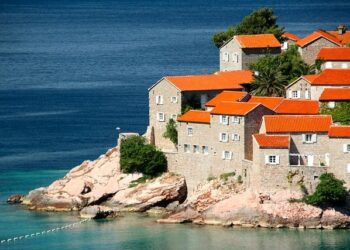
The United Nations Office on Drugs and Crime (UNODC) has intensified its efforts to support Montenegro in enhancing compensation mechanisms for victims of human trafficking. This initiative aims to ensure that survivors receive timely and adequate reparations, addressing a critical gap in the country’s response to trafficking crimes. By working closely with Montenegrin authorities, UNODC seeks to strengthen legislative frameworks and enforcement practices, underscoring the international community’s commitment to protecting the rights and dignity of trafficking victims.
UNODC Collaborates with Montenegro to Enhance Legal Frameworks for Victim Compensation
In a significant stride toward bolstering the rights of human trafficking survivors, the United Nations Office on Drugs and Crime (UNODC) has partnered with Montenegro to reinforce its legal mechanisms dedicated to victim compensation. This collaboration aims to create a more accessible, transparent, and effective legal framework that ensures survivors receive timely and adequate reparations. With UNODC’s expert guidance, Montenegro is reviewing current legislation and practices, focusing on closing gaps that hinder victims’ access to justice and financial redress.
The initiative includes comprehensive measures such as:
- Enhanced victim identification protocols to streamline support eligibility.
- Improved inter-agency cooperation for seamless case management.
- Development of victim-centered compensation procedures that prioritize dignity and confidentiality.
- Capacity-building workshops for legal practitioners and frontline responders.
| Key Focus Area | Expected Outcome |
|---|---|
| Legislative Reform | Stronger legal protections for victims |
| Victim Services | Faster compensation processes |
| Stakeholder Training | Improved response quality |
| Monitoring Systems | Enhanced accountability |
Improving Access to Justice and Financial Redress for Human Trafficking Survivors
Montenegro has taken significant strides towards ensuring that survivors of human trafficking receive the justice and financial compensation they deserve, thanks to the collaborative efforts spearheaded by UNODC. These initiatives focus on enhancing the legal frameworks and institutional capacities that facilitate victim redress, while also promoting a survivor-centered approach that respects dignity and privacy. Key actions include training sessions for judiciary and law enforcement officials, development of victim compensation guidelines, and the establishment of specialized support units within relevant governmental bodies.
Highlights of the program’s achievements include:
- Introduction of streamlined procedures for claim submissions by trafficking survivors.
- Increased accessibility to legal aid and psychological support services.
- Enhanced cooperation among stakeholders to monitor and enforce compensation orders.
| Component | Impact |
|---|---|
| Training Workshops | 120+ professionals trained |
| Victim Support Units | 3 units operational nationwide |
| Compensation Claims Processed | 45 cases successfully resolved |
Expert Recommendations Focus on Strengthening Institutional Capacities and Victim Support Services
To enhance Montenegro’s effectiveness in compensating victims of human trafficking, UNODC emphasizes the critical need for robust institutional frameworks. This includes upgrading legal mechanisms, improving inter-agency coordination, and fostering a multidisciplinary approach that streamlines victim identification and referral processes. Strengthening capacities at all levels-from law enforcement to social services-ensures that claims for compensation are handled promptly and fairly, minimizing further trauma to survivors.
Key recommendations include:
- Establishing dedicated units within governmental bodies to manage victim compensation cases.
- Providing specialized training for prosecutors, judges, and social workers on trafficking-specific compensation laws.
- Implementing victim-centered support services that include legal aid, psychological counseling, and rehabilitation programs.
- Developing comprehensive data collection systems to monitor the effectiveness of compensation schemes.
| Institutional Capacity | Benefit |
|---|---|
| Specialized Compensation Units | Faster processing of victim claims |
| Inter-agency Coordination | Improved resource sharing and case management |
| Training Programs | Enhanced knowledge of victim rights and procedures |
| Data Monitoring Systems | Accurate evaluation and policy adjustments |
In Summary
As Montenegro continues its efforts to combat human trafficking, the support from the United Nations Office on Drugs and Crime marks a significant step forward in ensuring justice and protection for victims. Strengthening compensation mechanisms not only aids survivors in their recovery but also reinforces the country’s commitment to upholding human rights and the rule of law. With ongoing collaboration and international assistance, Montenegro is better positioned to provide comprehensive support to those affected by human trafficking and to break the cycle of exploitation.
![Budva Montenegro Travel Guide 2026 | The Truth Before You Visit! (Beaches & Prices) [59bd6d] – Fathom Journal](https://europ.info/wp-content/uploads/2026/04/3046981-budva-montenegro-travel-guide-2026-the-truth-before-you-visit-beaches-prices-59bd6d-fathom-journal-350x250.jpg)