Bosnia and Herzegovina stands at the crossroads of Eastern Europe, a nation marked by its rich history, complex cultural tapestry, and resilient spirit. Nestled on the Balkan Peninsula, this country has been a focal point of significant geopolitical events and transformations. In this article, we delve into Bosnia and Herzegovina’s historical background, demographic composition, and contemporary challenges, offering a comprehensive overview as presented by Britannica. Join us as we explore the key aspects that define this unique nation in the heart of Europe.
Geopolitical Landscape and Historical Context of Bosnia and Herzegovina
Bosnia and Herzegovina occupies a strategic position in the heart of the Balkans, serving as a crossroads between East and West. Historically, this territory has been a melting pot of diverse cultures, religions, and empires, which has heavily influenced its current geopolitical dynamics. The nation’s complex tapestry stems from centuries under the Ottoman Empire followed by Austro-Hungarian rule, each leaving distinct cultural and political legacies. Post-1992 independence from Yugoslavia, Bosnia and Herzegovina experienced a devastating conflict marked by ethnic divisions among Bosniaks, Croats, and Serbs. The Dayton Agreement of 1995 formally ended the conflict but established a fragmented political system aimed at balancing power, often resulting in challenges to governance and national unity.
The contemporary geopolitical landscape remains shaped by these historical complexities, with international actors continuing to play a pivotal role. Key points defining this environment include:
- Ethnic Power Sharing: The tripartite presidency and decentralized government structure reflect ongoing efforts to maintain peace between ethnic groups.
- EU Integration Ambitions: Bosnia and Herzegovina’s aspirations toward European Union membership remain a central goal, underscored by sustained reforms and international cooperation.
- Regional Relations: Tense yet interdependent relationships with neighboring countries like Serbia and Croatia impact diplomatic and economic ties.
- International Presence: NATO, the EU, and the United Nations have ongoing missions focusing on stabilization and development.
| Historical Era | Dominant Influence | Key Impact | ||||||||||||||||||||||||||||||||||
|---|---|---|---|---|---|---|---|---|---|---|---|---|---|---|---|---|---|---|---|---|---|---|---|---|---|---|---|---|---|---|---|---|---|---|---|---|
| Ottoman Rule (15th-19th c.) | Ottoman Empire | Islamic cultural imprint; administrative systems | ||||||||||||||||||||||||||||||||||
| Austro-Hungarian Era (1878-1918) | Habsburg Monarchy | Modernization and European integration beginnings | ||||||||||||||||||||||||||||||||||
| Yugoslav Period (1945-1992) | Socialist Federal Republic | Federal unity; industrial development | ||||||||||||||||||||||||||||||||||
| Post-Independence (1992-Present) | Multi-ethnic State | Complex governance; peacebuilding efforts |
| Indicator | Current Status | Short-Term Outlook |
|---|---|---|
| Unemployment Rate | 18.5% | Gradual Decline |
| GDP Growth | 2.1% | Stabilizing |
| FDI Inflows | Moderate | Increasing |
| Tourism Revenue | Rising | Promising |
- Economic reforms: Streamlining bureaucracy to attract investment.
- Infrastructure development: Renewed focus on transport and energy networks.
- European integration: Paving the way for trade and financial support.
- Private sector growth: Encouraging entrepreneurship and SMEs.
Tourism Development Strategies to Boost Cultural and Natural Heritage Preservation
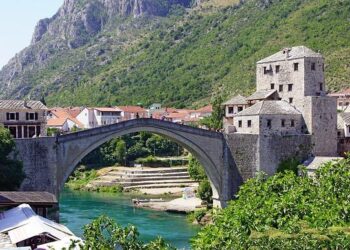
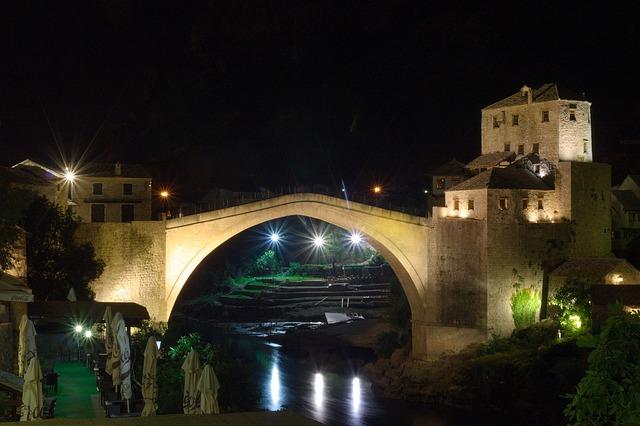
Embracing innovative tourism models, Bosnia and Herzegovina is advancing initiatives that simultaneously fuel economic growth and safeguard its rich cultural and natural treasures. By fostering community-based tourism, local populations are empowered to act as stewards of heritage sites, ensuring authenticity while benefiting economically. Collaborations between governmental bodies and international preservation organizations have led to the development of protected zones where sustainable visitor access is carefully managed to prevent degradation of landmarks such as the historic Old Bridge of Mostar and unaffiliated natural reserves like Sutjeska National Park.
Key strategies implemented include:
- Promotion of eco-tourism to encourage low-impact visits and environmental education
- Investment in digital heritage documentation enabling virtual tours and wider global reach without physical strain on sites
- Training programs for local guides to enhance visitor experience and foster cultural pride
- Infrastructure upgrades that blend modern convenience with preservation standards
| Strategy | Focus Area | Expected Impact | |||||||
|---|---|---|---|---|---|---|---|---|---|
| Community Engagement | Cultural Sites | Enhanced Preservation & Economic Benefits | |||||||
| Eco-tourism Development | Natural Parks | Reduced Environmental Footprint | |||||||
Embracing innovative tourism models, Bosnia and Herzegovina is advancing initiatives that simultaneously fuel economic growth and safeguard its rich cultural and natural treasures. By fostering community-based tourism, local populations are empowered to act as stewards of heritage sites, ensuring authenticity while benefiting economically. Collaborations between governmental bodies and international preservation organizations have led to the development of protected zones where sustainable visitor access is carefully managed to prevent degradation of landmarks such as the historic Old Bridge of Mostar and unaffiliated natural reserves like Sutjeska National Park. Key strategies implemented include:
|